BrewDog Sells Highland Estate at a Loss After Abandoning Major Reforestation Project
BrewDog Sells Highland Estate at Loss After Dropping Forest Plan

BrewDog's Highland Estate Sale Reveals Financial Setback After Forest Plan Collapse

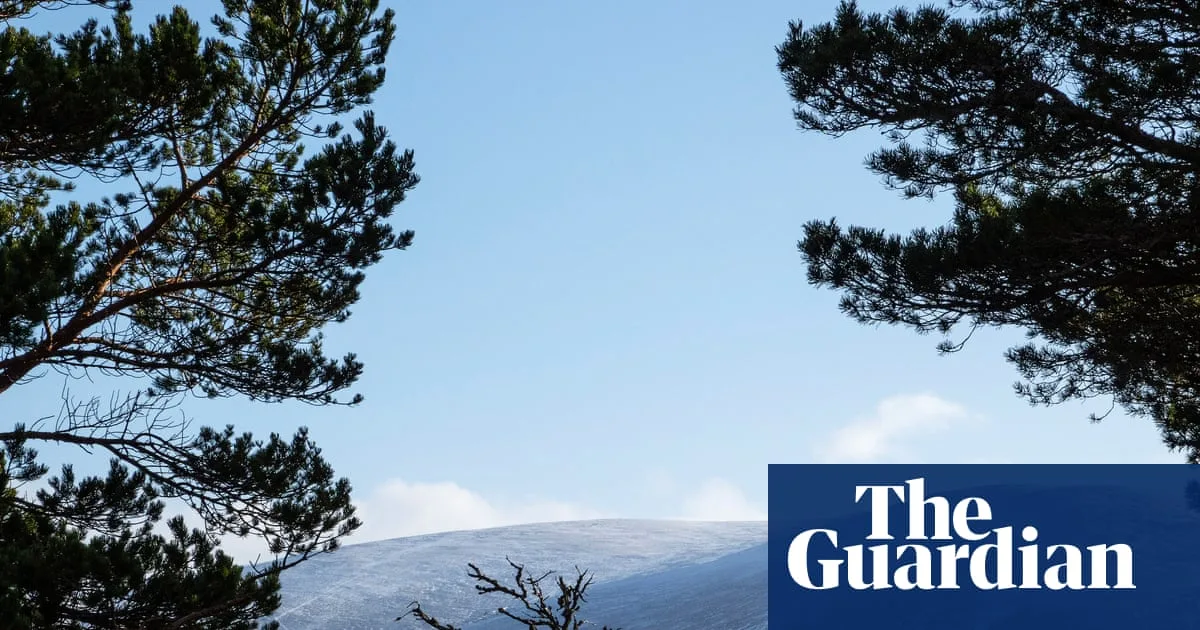
The self-styled "punk" beer company BrewDog has offloaded its Highland estate at a knockdown price, following the abandonment of ambitious plans to create Scotland's "biggest ever forest." The Kinrara estate, located within the Cairngorms national park, was sold last year for £8.85 million, a mere £350,000 more than BrewDog paid in 2020. This figure falls significantly short of its estimated current value of approximately £11.3 million when adjusted for inflation, excluding additional legal and consultancy expenses.

Abandoned Environmental Pledges and Leadership Changes

In 2020, BrewDog co-founder James Watt heralded the Lost Forest project at Kinrara, promising it would cover a "staggering area" and capture tens of millions of tonnes of CO2 over its lifetime. The initiative was part of BrewDog's broader strategy to achieve carbon neutrality through extensive tree planting, peatland restoration, and ecotourism promotion. However, after Watt was replaced as chief executive and the company reported losses of £37 million, these plans were scrapped. The estate was subsequently sold in October of last year to Oxygen Conservation, a firm specializing in "regenerative capitalist" carbon investments.

Controversial Sale Details and Carbon Credit Handover

Oxygen Conservation utilized a contentious loophole in Scotland's land registration rules to keep the sale price confidential without incurring fees, citing BrewDog's desire for privacy. Despite this, land registration records obtained by the Guardian reveal the £8.85 million transaction. Notably, the deal included the transfer of valuable carbon credits worth at least £4.8 million, which BrewDog had developed through public grants. These credits, known as "pending issuance units" (PIUs), measure expected carbon dioxide capture from new woodlands and restored peatlands. The sale encompassed 130,000 woodland PIUs valued at around £3.5 million and 46,500 peatland PIUs worth about £1.2 million, with additional PIUs anticipated from ongoing projects.

Market Implications and Broader Industry Concerns

Rich Stockdale, founder of Oxygen Conservation, anticipates that these PIUs will appreciate significantly once converted into full carbon credits, potentially yielding substantial profits. However, the Kinrara sale has raised alarms about the stability of the carbon credits market for Highland estates. For instance, the nearby Far Ralia estate, purchased for £7.5 million in 2021 with similar carbon credit ambitions, has seen its asking price slashed from £12 million to offers over £6.9 million amid market challenges. Josh Doble of Community Land Scotland criticizes such transactions as "extractive, short-term landownership," questioning government subsidies that favor corporate projects over community-led initiatives for ecological restoration and local development.

BrewDog has declined to comment on the sale, which coincides with broader corporate struggles, including a recent £33 million deal for brewery assets that resulted in the closure of 38 pubs and nearly 500 job losses. This episode underscores growing scrutiny over the environmental and economic impacts of large-scale land investments in Scotland.