Central America's Coffee Crisis: Small Growers Struggle as Global Prices Plummet
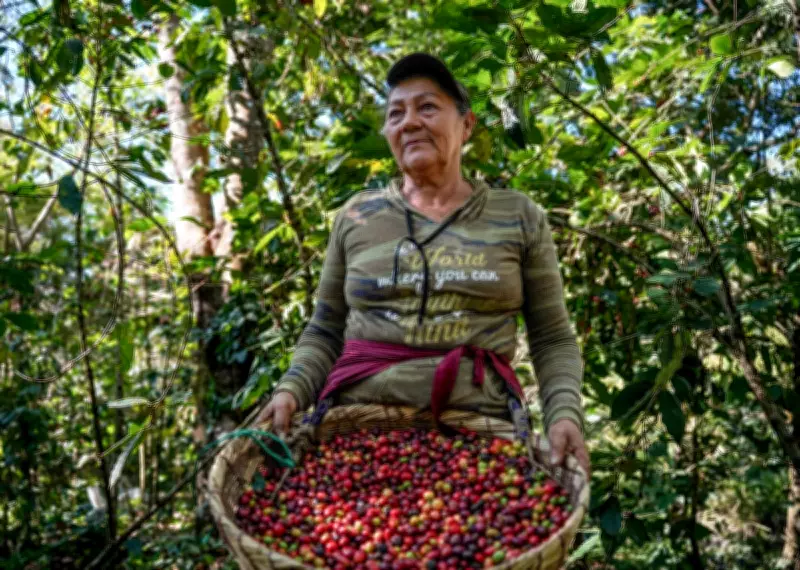
In the mid-1970s, El Salvador stood as one of the world's foremost coffee producers, with harvests soaring beyond 5 million quintales, a quintal equating to approximately 46 kilograms. Today, the nation's production barely scrapes 1 million quintales, marking a dramatic decline that extends far beyond mere market fluctuations. This stark reduction reflects decades of land restructuring, intensifying climate shocks, and rural migration, which have collectively hollowed out the sector, reshaping livelihoods and landscapes across Central America.
The Climate Crisis and Its Devastating Impact
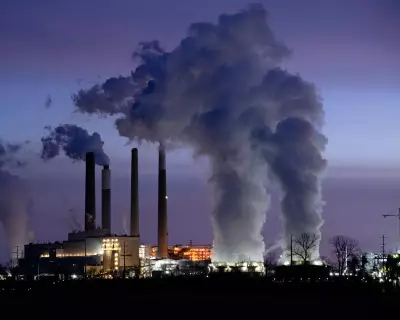
Climate volatility has rendered harvests increasingly unpredictable, disrupting flowering cycles, diminishing yields, and compromising quality for small-scale farmers who lack the financial resilience to absorb losses. A recent analysis by Climate Central reveals that the world's top five coffee producers—Brazil, Vietnam, Colombia, Ethiopia, and Indonesia—now endure an average of 57 additional days of damaging heat annually. In Brazil, the largest producer, this figure rises to 70 extra hot days each year.
Celso Vegro, an agronomist and researcher at São Paulo's state agriculture agency, explains that elevated temperatures place coffee plants under significant stress, reducing their productive potential. Since 2021, global coffee production has consistently fallen short of expectations, failing to keep pace with escalating demand. This shortfall has led to the depletion of global stocks, driving prices higher, though Vegro cautions that any reprieve will likely be temporary as persistent climate conditions continue to pose challenges.

Economic Pressures and Social Struggles
Market signals further exacerbate the plight of smallholders. After a record rally earlier in 2025, Arabica bean prices are anticipated to plunge as production rebounds in key exporters like Colombia and Brazil. Rabobank forecasts that growing global surpluses over the next two seasons could precipitate sharp price declines, even as farmers in climate-vulnerable regions grapple with escalating costs.
Cecibel Romero, a researcher specializing in coffee production, highlights that the sector confronts overlapping crises beyond climate alone. "There is a real climate crisis, but there is also a social crisis," she asserts, noting that rising temperatures, erratic rainfall, and diseases such as coffee rust have exposed longstanding weaknesses in traditional production models. When prices confine producers to subsistence levels, adaptation becomes an insurmountable challenge.
Case Studies: El Salvador and Honduras
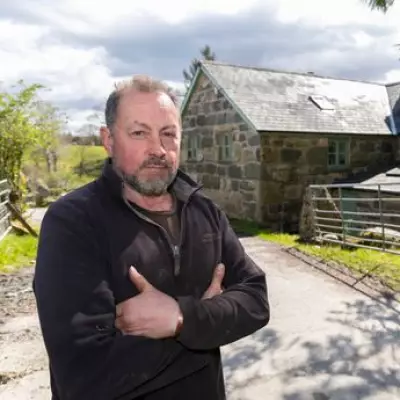
In El Salvador, coffee once structured the rural economy, influencing land use, labor, and exports extensively. However, institutional support has waned as the crop's economic significance diminished, leaving producers to navigate climate risk, disease outbreaks, and market volatility largely unaided. Oscar Leiva, a farmer in western El Salvador, observes that rainfall patterns have become erratic, with December—once the start of the dry season—now bringing precipitation. Early flowering followed by stalling and subsequent heatwaves have resulted in uneven, lower-quality crops that are more costly to produce.
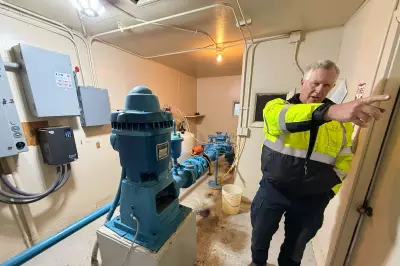
Meanwhile, in Honduras, Central America's largest coffee producer, similar pressures persist despite higher national output. Juan Luis Hernández, a forest engineer with the Honduran Coffee Institute, emphasizes that adaptation carries a significant cost. Managing shade, restoring soil, protecting water sources, and monitoring disease require substantial investment, time, and labor—resources that are unevenly distributed among farmers.
Gerardo Vásquez, a small producer in Copán, manages an 8-hectare family farm while advising others. He notes that establishing a single manzana of coffee now costs approximately 200,000 lempiras (around £5,600) over three years. Fertilizer prices have surged since the pandemic, and labor shortages have driven harvest wages higher. "When you add everything up," Vásquez says, "harvest, processing, transport, you spend more than 3,000 lempiras (£83) just to get one quintal of parchment coffee."

Adaptation Efforts and Future Prospects
Some producers are experimenting with adaptation strategies, such as increasing shade cover and implementing soil restoration techniques. However, these measures often entail trade-offs, such as reduced yields. Carlos Guerra, co-owner of Café San Rafael in Honduras, illustrates this dilemma: "If you move from producing 40 quintales per manzana to five or 10 under shade, you have to ask yourself if you accept lower income, or if you intensify production with chemicals."
Speciality coffee markets offer a potential lifeline, providing higher prices and closer relationships. Yet, access remains uneven due to certification costs, processing infrastructure, and export logistics. Emeric Seguin, director of sourcing and sustainability at Fantôme, a Quebec-based speciality coffee roaster, observes widespread distrust within the industry. "Everyone feels as if they are the one being scammed," he remarks, highlighting the subjective nature of quality assessments that often exclude farm-level perspectives.
Initiatives like Renacer, a coffee production school in El Salvador, promote ecological practices focused on soil health and long-term stability rather than maximum yields. Sigfredo Corado, a lead agronomist at Renacer, aims to mitigate extremes, ensuring that harvests remain more consistent despite climate challenges.
As Rabobank predicts further price declines, land once dedicated to shaded coffee is increasingly converted to sugarcane or sold for real estate development. For smallholders like Oscar Leiva, planning each season involves making decisions without reliable forecasts, underscoring the precarious future of coffee farming in Central America. The overarching question remains: who can afford to adapt, and who will be left behind in this evolving landscape?