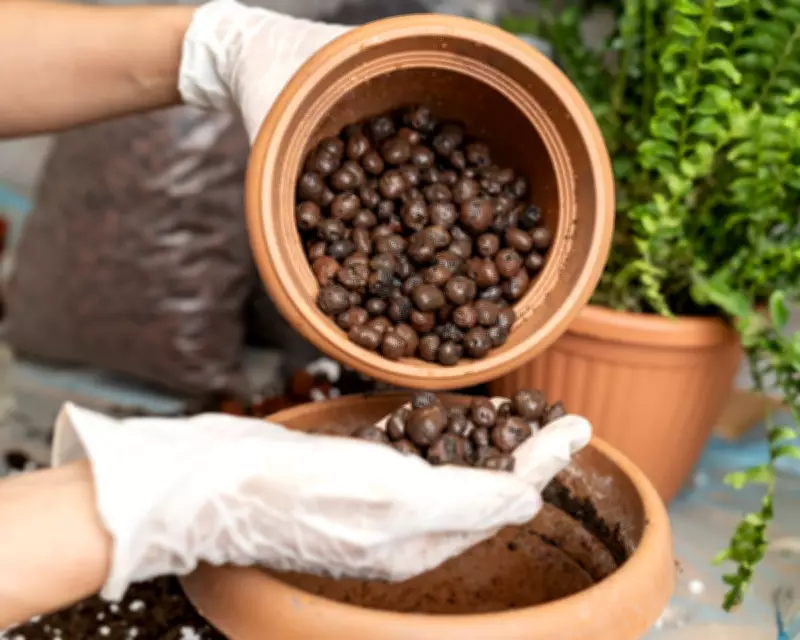
In the world of indoor gardening, a new trend is capturing the attention of plant enthusiasts: Leca balls. This lightweight expanded clay aggregate is being hailed as a potential game-changer for houseplant care, but does it truly offer a healthier alternative to traditional soil? Let's delve into the facts and explore whether Leca is a whole new ballgame for your green companions.
Understanding Leca: What Is It and How Does It Work?
Leca, an acronym for lightweight expanded clay aggregate, consists of small, porous clay balls that are inert, meaning they do not provide nutrients to plants. Unlike soil, which can vary in composition and sometimes harbor pests, Leca's primary function is to maintain moisture and air circulation around the roots. This is achieved by placing water at the bottom of a pot, allowing the clay to wick it upwards, ensuring the root zone remains consistently damp without becoming waterlogged.
The Benefits: Fewer Pests and Improved Growth
Advocates of Leca, often found in dedicated online communities like Reddit, highlight several advantages. These include a significant reduction in pest infestations, as the inert nature of Leca minimizes the environments where bugs can thrive. Additionally, it helps prevent common watering mistakes, such as overwatering or underwatering, by providing a more controlled moisture level. Many users report faster growth rates in plants, attributing this to the optimal root conditions Leca creates.

The Method: How to Use Leca Effectively
To get started with Leca, it's essential to rinse the clay balls thoroughly to remove any dust, then soak them before use. This method works best with plants that prefer consistent moisture, such as pothos, philodendron, or peace lilies. Use a tall pot or vase without drainage holes, fill it with Leca, and add a diluted fertiliser solution to provide necessary nutrients. Position your plant with its roots above the waterline to avoid submersion, and flush the system with water every few weeks to prevent salt buildup.
Real-World Testing: A Success Story
In a practical test, a rooted cutting from a monstera plant was transferred to Leca. The results were promising: the plant developed strong, healthy roots and lush foliage, with no signs of pests. This demonstrates that Leca can be an effective medium for certain plants, particularly those prone to pest issues or those that thrive in moist conditions.
The Verdict: Is Leca Worth the Switch?
Leca proves to be surprisingly easy to use and can yield excellent results, often enhancing the decorative appeal of plants. However, it is not a universal solution or a magic shortcut for all houseplants. It excels in scenarios where pest control is a priority or for water-loving species. While it may not warrant repotting an entire collection, it is highly recommended for propagated stems or plants struggling with pests. Ultimately, Leca offers a valuable alternative for targeted improvements in houseplant health and aesthetics.