A viral TikTok video from a popular money-saving influencer has left thousands of viewers completely stunned after revealing a common household practice with kitchen scraps is actually against the law in the United Kingdom. The content creator, known online as diaryofacheapskate, regularly shares frugal living tips with her substantial following of 244,000 people.
The Revelation That Floored Followers
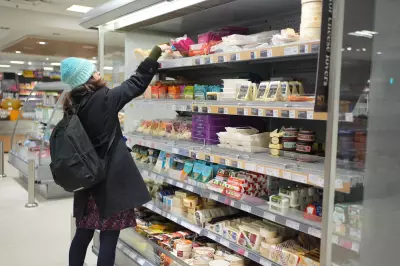
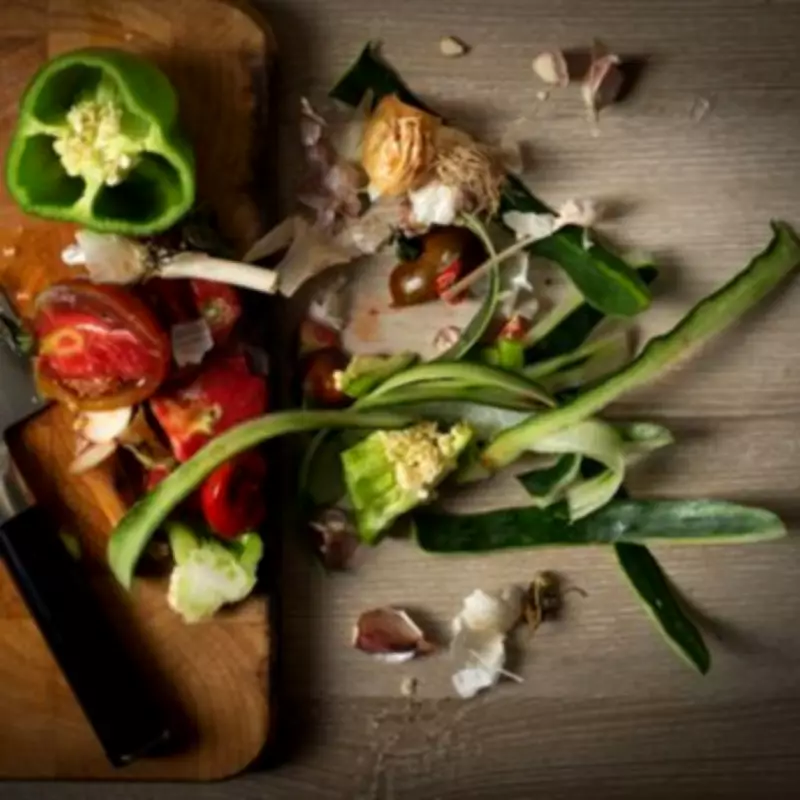
During a routine video showcasing her weekly grocery haul, which included items like stir fry vegetables, flour, cheese, milk, tortilla wraps, and chickpeas, the influencer made a passing comment that triggered mass confusion. While discussing a watermelon purchase, she noted that although guinea pigs enjoy the rind, she couldn't recommend giving it to chickens because feeding any kitchen scraps to poultry is illegal under UK regulations.
The immediate reaction in the comments section was one of widespread disbelief and bafflement. Numerous followers expressed shock, with many questioning why such a seemingly harmless practice would be prohibited. One commenter wrote they had previously given peelings to their chickens without realizing they were breaking the law, while another criticized the apparent contradiction between this restriction and commercial farming practices.

The Serious Reasons Behind the Ban
According to the UK Government's Animal and Plant Health Agency, the prohibition exists primarily to minimize disease transmission risks. The devastating 2001 Foot and Mouth Disease outbreak was most likely caused by pigs being fed undercooked catering waste containing the pathogen. This law applies comprehensively to all livestock, including chickens and other poultry, as well as pigs.
Former APHA medical director Simon Hall emphasized in 2017 that the catering waste ban serves as a crucial national barrier against introducing potentially catastrophic animal diseases. He stressed that farmers and smallholders must avoid feeding meat, meat products, or any kitchen waste to their animals, and should prevent access to catering waste from other sources like dustbins.
Practical Advice and Community Debate
The British Hen Welfare Trust provides specific guidance for chicken owners who wish to give treats to their birds while remaining compliant with regulations. They recommend that fruits and vegetables intended for chickens should bypass the kitchen entirely to avoid cross-contamination risks. For instance, taking a cauliflower or cabbage directly into the garden via a side gate and hanging it as a treat would be acceptable since the food hasn't passed through kitchen areas.
However, not everyone in the online community accepts the necessity of this blanket prohibition. Some experienced chicken owners expressed skepticism in the comments, arguing that with common sense precautions—such as avoiding raw meat or moldy items—feeding vegetable scraps poses minimal risk. One commenter with over twenty chickens claimed their birds had lived more than ten years while regularly receiving vegetable scraps, questioning the need for such stringent regulations.
This revelation has sparked broader conversations about food waste, animal welfare, and regulatory balance in modern society. While the law aims to prevent disease outbreaks that could devastate agricultural industries, many individuals question whether common household practices should be criminalized when conducted responsibly by small-scale owners.