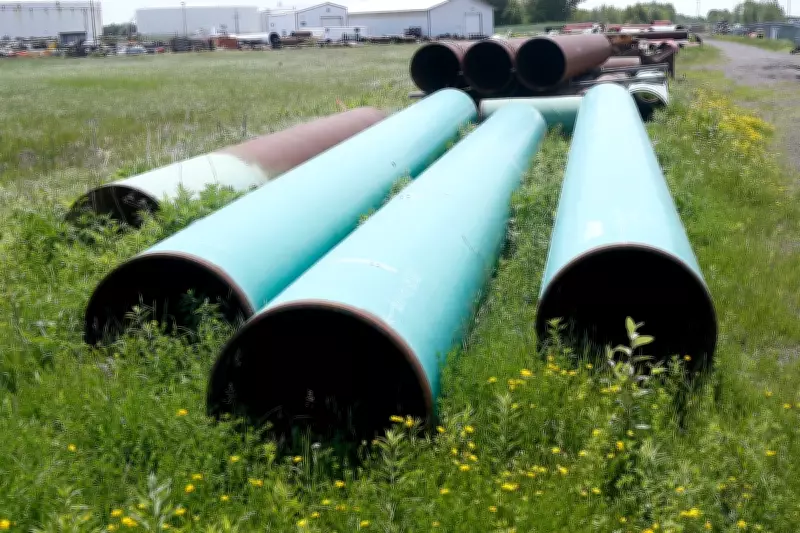
Enbridge Commences Pipeline Rerouting Project in Wisconsin Amid Ongoing Legal Disputes
After seven years of protracted legal conflicts, the energy corporation Enbridge has finally initiated the rerouting of an aging oil pipeline around a tribal reservation in northern Wisconsin. This development comes despite two fresh lawsuits that threaten to potentially delay the project indefinitely, highlighting the persistent tensions between industrial interests and indigenous rights.
Years of Legal Wrangling Culminate in Construction Start
The project involves rerouting approximately 12 miles (19 kilometers) of Enbridge's Line 5 pipeline, which currently traverses the Bad River Band of Lake Superior's reservation along the shores of Lake Superior. The tribe initiated legal action against Enbridge in 2019, demanding the removal of this section from their land. Their argument centered on expired land easements that had lapsed six years prior and concerns about the 73-year-old pipeline's vulnerability to a catastrophic spill.
In 2023, a judicial ruling mandated that Enbridge remove the segment from the reservation by June of this year. However, the Bad River tribe and various conservation organizations have persistently advocated for the complete shutdown of Line 5, employing continuous legal challenges to impede the rerouting initiative.

Recent Legal Developments and Immediate Challenges
The project appeared to clear a significant hurdle when an administrative law judge upheld Enbridge's state wetlands permit on February 13, effectively removing the last legal barrier and authorizing construction to proceed. Enbridge spokesperson Juli Kellner confirmed that crews began clearing trees in the new segment's right-of-way on Tuesday.
Nevertheless, the Bad River tribe, alongside a coalition of environmental groups, filed separate actions in Iron County Circuit Court this month. These filings seek an immediate stay of the wetlands permit, contending that regulators have grossly underestimated the environmental damage that the rerouting construction will inflict.
"The Bad River watershed is not an oil pipeline corridor that exists to serve Enbridge’s profits. It is our homeland. We must protect it," declared Elizabeth Arbuckle, the Bad River tribal chair, in a statement announcing the tribe's legal filing.
The judges presiding over both cases have yet to issue rulings, with a hearing scheduled for Thursday in the Bad River's case. Kellner countered that seeking a stay is unreasonable, emphasizing that the project has undergone extensive scrutiny and that the public relies on the pipeline for uninterrupted energy supply. She highlighted that Line 5 serves 10 refineries and propane production facilities, supporting millions across the Midwest and Great Lakes region.
Broader Context: Line 5's Controversial History
Calgary, Alberta-based Enbridge has operated Line 5 since 1953, using it to transport crude oil and natural gas liquids between Superior, Wisconsin, and Sarnia, Ontario. The pipeline is also at the heart of another major controversy in Michigan, where conservationists and tribes express grave fears about a 4.5-mile (6.4 kilometer) segment running beneath the Straits of Mackinac. A rupture in this area, which connects Lake Michigan and Lake Huron, could precipitate an ecological disaster of monumental proportions.
Enbridge has proposed encasing this segment in a protective tunnel as a mitigation measure. However, the company still requires permits from both the U.S. Army Corps of Engineers and the Michigan Department of Environment, Great Lakes and Energy before any construction can begin. While neither agency has issued approvals yet, the Corps has expedited its permitting process under the authority of President Donald Trump's 2025 energy emergency executive order.
Simultaneously, Michigan Governor Gretchen Whitmer and Attorney General Dana Nessel have filed lawsuits aiming to invalidate the easements permitting the line's operation in the straits. A federal judge blocked Whitmer's action in December, but the governor has appealed to the 6th U.S. Circuit Court of Appeals. Additionally, the U.S. Supreme Court is currently deliberating whether Nessel's lawsuit should be adjudicated in state or federal court, adding another layer of legal complexity to the ongoing saga.