One of the world's most populous megacities is teetering on the edge of a catastrophic water emergency. Mexico City, home to nearly 22 million people, is confronting its worst water crisis in recent memory, with experts warning a 'Day Zero' – the point when the taps run dry – could be just months away.
A Perfect Storm of Drought and Leaky Pipes
A severe, years-long drought has drastically reduced the water levels in the city's main reservoirs. The Cutzamala water system, a complex network of reservoirs and pipelines that supplies roughly 25% of the city's water, is operating at a critically low 28% of its capacity. This historic low has forced authorities to implement significant water rationing measures.
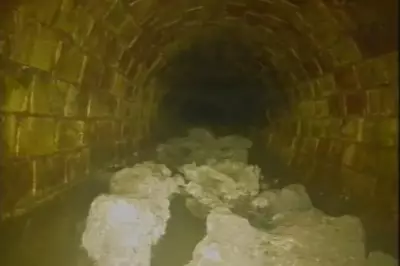
Compounding the natural disaster is a man-made problem: the city's ageing and inefficient infrastructure. A staggering 40% of all potable water is lost due to leaks in the crumbling pipe network, a loss the city can ill afford.
Sinking City, Deepening Crisis
The crisis is exacerbated by the city's unique geology. Built on a former lakebed, Mexico City is sinking at an alarming rate, a phenomenon known as subsidence. This constant shifting further damages water and sewage pipes, creating a vicious cycle of leaks and repairs.
In many neighbourhoods, the reality of 'Day Zero' is already a part of daily life. Millions of residents experience tandeos – scheduled water shutoffs – where water flows from the taps only for a few hours each week, forcing families to store water in rooftop tanks and buckets.
A Looming Humanitarian and Economic Disaster
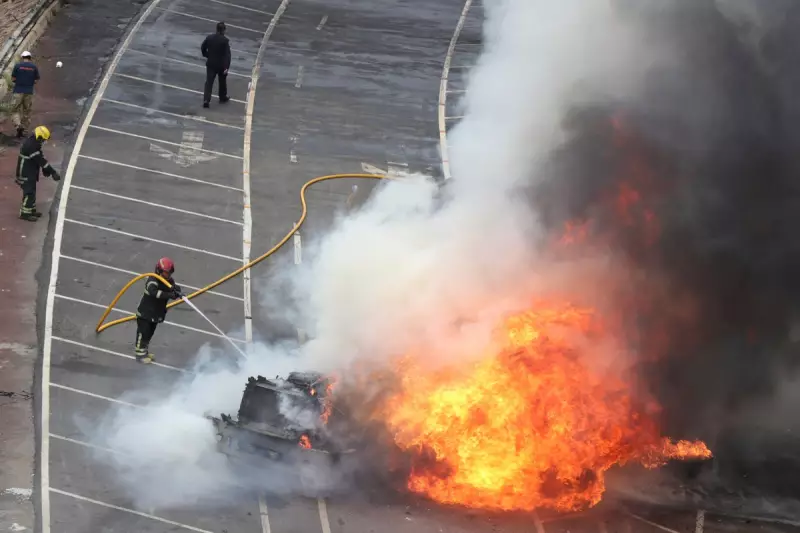
The implications of a full-blown 'Day Zero' are dire. Hospitals, schools, and businesses would face immense disruption, posing a significant threat to public health and the local economy. The crisis has already sparked protests, with demonstrators blocking roads to demand a sustainable solution from the government.
While recent slight rainfall offers a glimmer of hope, it is nowhere near enough to replenish the depleted reservoirs. Officials are scrambling for solutions, including potential further rationing and efforts to repair the massive water losses from leaks.
The situation in Mexico City serves as a stark warning to major urban centres worldwide about the vulnerabilities of water infrastructure in the face of climate change and rapid urbanisation.