Barnacle Geese Flourish in Norfolk, a Surprising New Home
Barnacle geese in Norfolk continue to astonish observers with their resilient presence. Historically, these birds were scarce visitors from Siberia, appearing only during the harshest winter months. Today, however, they have established a breeding population in eastern England, with a remarkable sighting of 700 individuals over Holkham Park serving as a testament to their adaptation.
A Noisy and Energetic Arrival
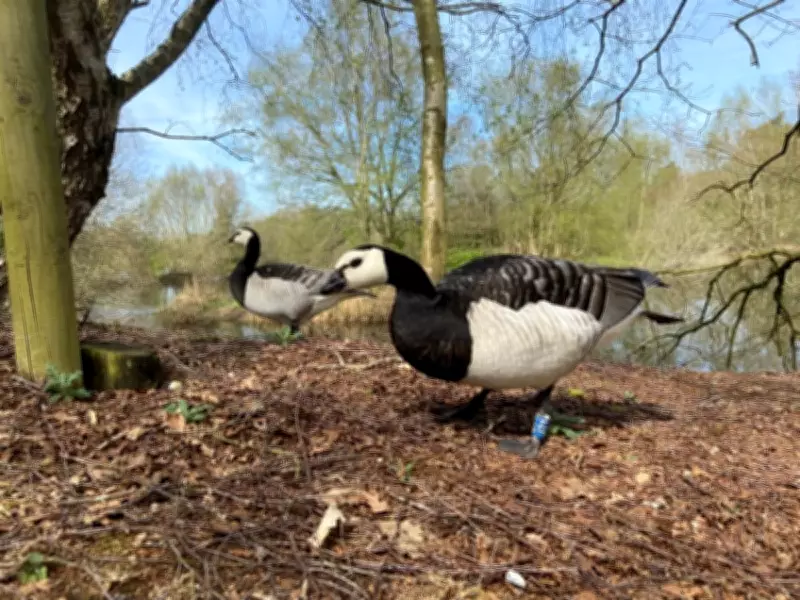
The geese announce their presence with distinctive, breathy barks, often heard before they are seen. As they descend through the trees around the lake, they tumble noisily to land, spreading across the dandelion-speckled grass in lively, yapping groups. The ganders, with their barrel-bellied forms, chase one another in a display of boisterous energy, creating a captivating scene for onlookers.
Many of these geese are familiar faces, having been part of a ringing effort in 2021. This initiative was sparked by curiosity about their origins and movements, as they began nesting by the lake, raising questions about where they came from and where they migrated in winter.

Unraveling the Mystery Through Research
In collaboration with ornithologist Kane Brides, a study was launched to ring these Norfolk-breeding geese, focusing on birds of captive origin. At dawn in July 2021, the flightless, moulting flock at Holkham was herded onto the lake and guided by canoeists into a corral. Approximately 400 birds were ringed that day, each fitted with a numbered Darvic ring to enable monitoring in the wild.
Once their primary feathers regrew in August, the geese departed. Within two days, their winter destination was discovered: they traveled 70 miles southeast to Southwold, where they joined the breeding flock from Pensthorpe. This group consists of descendants from deliberate releases in the 1980s, highlighting a history of human intervention in their distribution.
A Story of Adaptation and Belonging
These chalk-faced, velvet-hooded birds have carved out a niche in Norfolk, plucking at the sweet March grass with their neat black bills. Their quiet defiance of genetic expectations is particularly admirable; transplanted from the Arctic tundra by humans, they have not only survived but thrived, breeding and making a home in this new environment.
Now, they are an integral part of Norfolk's wildlife, symbolizing resilience and the unexpected ways in which species can adapt to changing circumstances. Their journey from Siberian mysteries to established residents underscores the dynamic nature of conservation and the enduring connections between humans and the natural world.