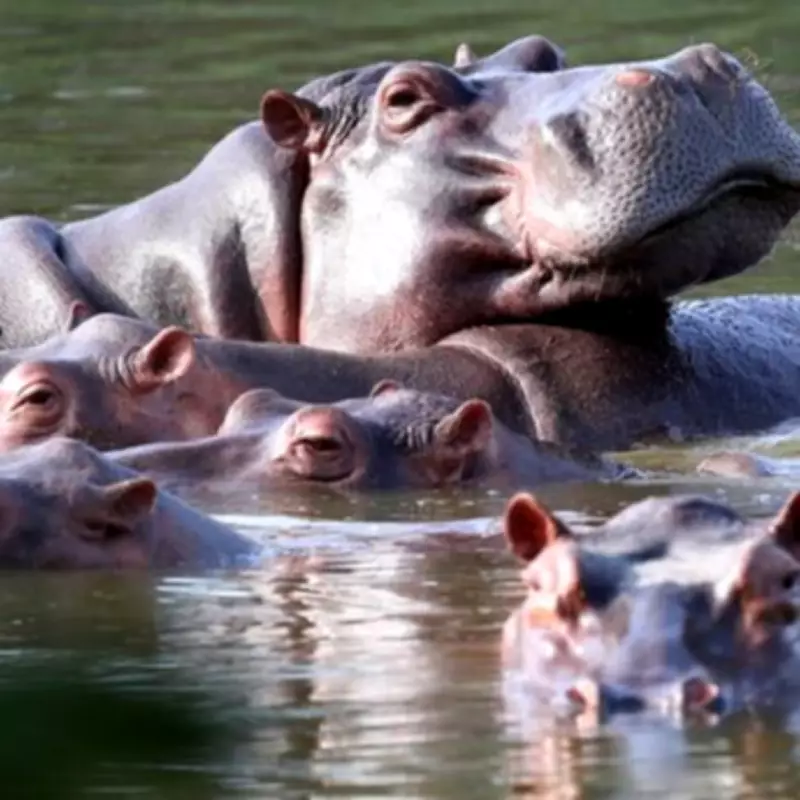
Colombia Authorises Cull of 80 Hippos from Pablo Escobar's Invasive Herd
Colombian environmental officials have announced a controversial plan to cull approximately 80 wild hippos, descendants of a herd originally imported by the notorious drug lord Pablo Escobar. The decision follows years of escalating concerns over the animals' impact on local ecosystems and communities.
From Private Zoo to National Problem
In the 1980s, Pablo Escobar brought four hippos to Colombia for his private zoo at Hacienda Nápoles, his sprawling ranch in the Magdalena River valley. Following his death in 1993, the animals escaped or were released, breeding prolifically in the wild. A 2022 study by Colombia's National University estimated the population had grown to around 170 hippos, far beyond initial numbers.
The government now classifies the hippos as an invasive species, citing their threat to local villagers who encounter them on farms and in rivers. Environment Minister Irene Vélez stated that previous control methods, including neutering and relocating the animals to zoos, have proven both ineffective and prohibitively expensive.

Environmental and Safety Imperatives
Minister Vélez emphasised the necessity of the cull, declaring, "If we don't do this we will not be able to control the population. We have to take this action to preserve our ecosystems." The hippos are competing with native species, such as river manatees, for food and habitat, disrupting local biodiversity.
Authorities also highlight safety risks, as the large, aggressive mammals have been involved in dangerous encounters with residents. The logistical challenges of managing them are significant; capturing and performing surgery on the dangerous animals for neutering programmes has been costly and limited in scope.
Controversy and Opposition
The culling plan has faced strong opposition from animal welfare activists. Senator Andrea Padilla, known for drafting legislation against bullfighting in Colombia, condemned the move as "cruel." Critics argue that alternative solutions should be prioritised, despite the government's claims of exhausted options.
Interestingly, the hippos have also become an unlikely tourist attraction. Residents near the former zoo site offer hippo-spotting tours and sell hippo-themed souvenirs, capitalising on the herd's notoriety. However, this economic benefit is overshadowed by the ecological costs.
Genetic and Logistical Hurdles
Returning the hippos to their native Africa has been deemed unfeasible. The colony originates from a limited gene pool and could carry diseases, posing risks to African ecosystems. With Hacienda Nápoles now operating as a theme park after government confiscation, the legacy of Escobar's extravagance continues to challenge Colombian authorities.
Pablo Escobar, once listed by Forbes as the world's seventh richest man with an estimated net worth of $9 billion, left behind a complex legacy. His story inspired a popular Netflix series, but his ecological imprint—the invasive hippo herd—now requires drastic intervention to mitigate its ongoing impact on Colombia's environment and people.