Mass Drowning of Emperor Penguin Chicks Puts Species at Risk of Extinction
A catastrophic event in Antarctica has led to the mass drowning of emperor penguin chicks, significantly increasing the risk of extinction for this iconic species. This incident, reported in early April 2026, highlights the severe impacts of climate change on polar ecosystems.
Details of the Drowning Incident
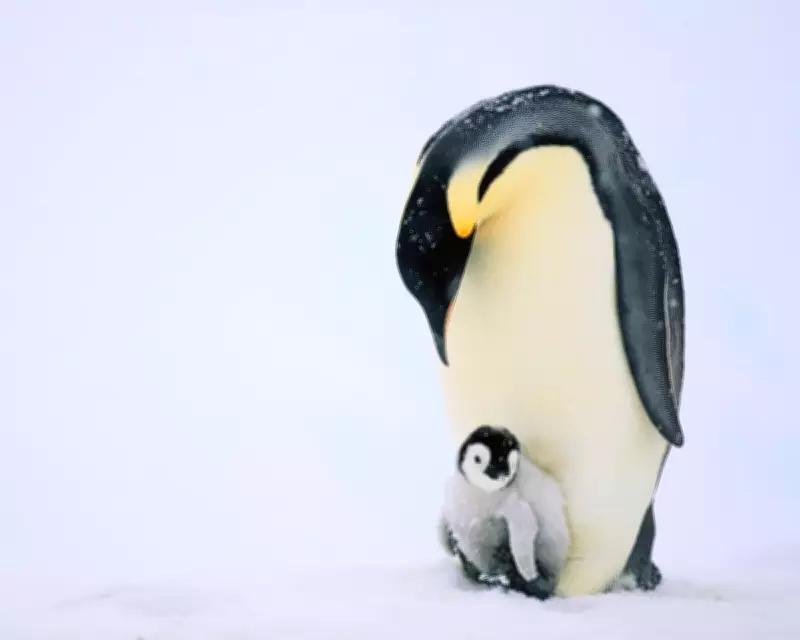
The mass drowning occurred when a large colony of emperor penguins experienced a sudden collapse of sea ice, which is essential for their breeding and survival. Emperor penguins rely on stable sea ice to raise their chicks, as it provides a platform for nesting and protection from predators. However, rising temperatures have caused the ice to melt prematurely, leading to the chicks falling into the ocean before they were able to swim or survive independently.
Scientists monitoring the colony observed a dramatic decline in chick numbers, with estimates suggesting that thousands perished in this single event. This loss represents a significant blow to the population, which is already under pressure from environmental changes.

Climate Change and Its Role
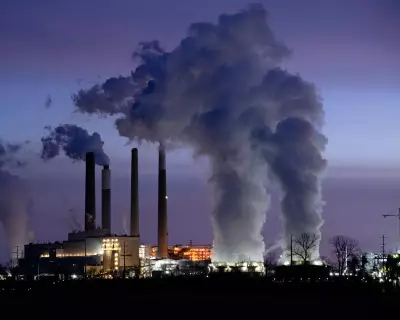
Climate change is identified as the primary driver behind this tragedy. The melting of sea ice in Antarctica has accelerated in recent years, due to global warming and increased greenhouse gas emissions. Emperor penguins are particularly vulnerable because their life cycle is tightly linked to ice conditions. As the ice disappears earlier each season, chicks are left exposed and unable to develop the necessary skills for survival.
Research indicates that if current trends continue, emperor penguin populations could decline by up to 80% by the end of the century, pushing them towards extinction. This event serves as a stark warning of the broader ecological consequences of climate change in polar regions.
Conservation Efforts and Challenges
Conservationists are calling for urgent action to protect emperor penguins and their habitats. Proposed measures include:
- Strengthening international agreements to reduce carbon emissions and combat climate change.
- Establishing marine protected areas in Antarctica to safeguard penguin breeding grounds.
- Increasing funding for research and monitoring of penguin populations to better understand and mitigate risks.
However, challenges remain, such as political hurdles in implementing global climate policies and the difficulty of accessing remote Antarctic regions for conservation work. The mass drowning underscores the need for immediate and coordinated efforts to prevent further losses.
Broader Implications for Wildlife
This incident is not isolated; it reflects a growing trend of wildlife crises linked to climate change. Other species in Antarctica, such as krill and seals, are also affected by melting ice and changing ocean conditions. The loss of emperor penguins could disrupt the entire Antarctic food web, leading to cascading effects on biodiversity.
Experts warn that without significant intervention, similar events may become more frequent, threatening not only penguins but the stability of polar ecosystems as a whole. Public awareness and advocacy are crucial in driving policy changes to address these environmental threats.