









Entertainment

Leo Sayer Reveals Eerie Final Phone Call with Elvis Presley Before His Death
Leo Sayer shares the touching story of his last phone conversation with Elvis Presley, just a day before the King of Rock 'n' Roll died. The singer also reveals a planned meeting that never happened.





Politics

Democrats Hail Jon Ossoff as 2028 Contender Amid Trump Attacks
Senator Jon Ossoff, the most vulnerable Democrat in 2026, is gaining 2028 buzz for his fearless attacks on Donald Trump and his sons, going viral with corruption accusations.



Sports

Anthony Joshua Excited for Return Against Kristian Prenga on July 25
Anthony Joshua prepares for his first fight since a car crash, facing Kristian Prenga on July 25 in Jeddah, with a potential clash against Tyson Fury later this year.


Crime
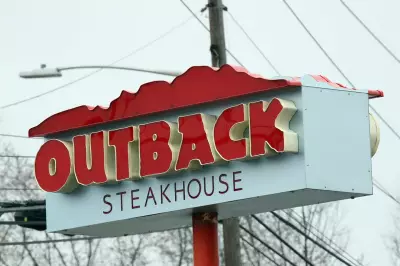
Woman Sues Outback Steakhouse for $1.5M After Mashed Potato Slip
A Virginia woman is seeking $1.5 million from Outback Steakhouse after slipping on mashed potatoes and falling face-first, causing serious injuries, according to a federal lawsuit.







Health




Environment

Egypt Unearths Aphrodite Head and Ancient Inscriptions
Archaeologists in Egypt have discovered a marble head of Aphrodite, a Roman basilica, and Pharaonic artifacts in Beni Suef, part of efforts to boost tourism.

Thousands Flock to U-M Historic Peony Garden
Tens of thousands visit the University of Michigan's W.E. Upjohn Peony Garden annually to see one of North America's largest collections of historic herbaceous peonies.

Louisiana Balloon Release Ban: Fines Up to $2,500
Louisiana has passed a law banning intentional outdoor balloon releases, effective August 1. Violators face fines up to $2,500 and community service. Environmentalists support the ban, while some critics argue it hinders grief expression.

England and Wales Warmest Spring on Record
England and Wales recorded their warmest spring since 1884, driven by an exceptional late-May heatwave. Nine of the ten warmest springs in England have occurred since 2007.
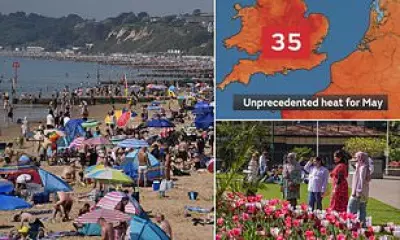
Spring 2025 Hottest on Record in England and Wales
Spring 2025 was the warmest in England and Wales since records began in 1884, with a mean temperature of 10.41°C. Nine of the ten warmest springs have occurred since 2007.
UK Geography Quiz: Test Your Knowledge
Challenge yourself with 100 multiple-choice questions about the geography of the United Kingdom. Perfect for students, travelers, and geography enthusiasts.
