For generations, cat owners have wondered what truly goes on behind those inscrutable eyes. Are they aloof, secretly affectionate, or simply tolerating our presence? A growing body of scientific research is now providing concrete answers, moving beyond myths to decode the genuine signs of a happy and emotionally content feline.
The Language of Love: Slow Blinks and Head Bunts
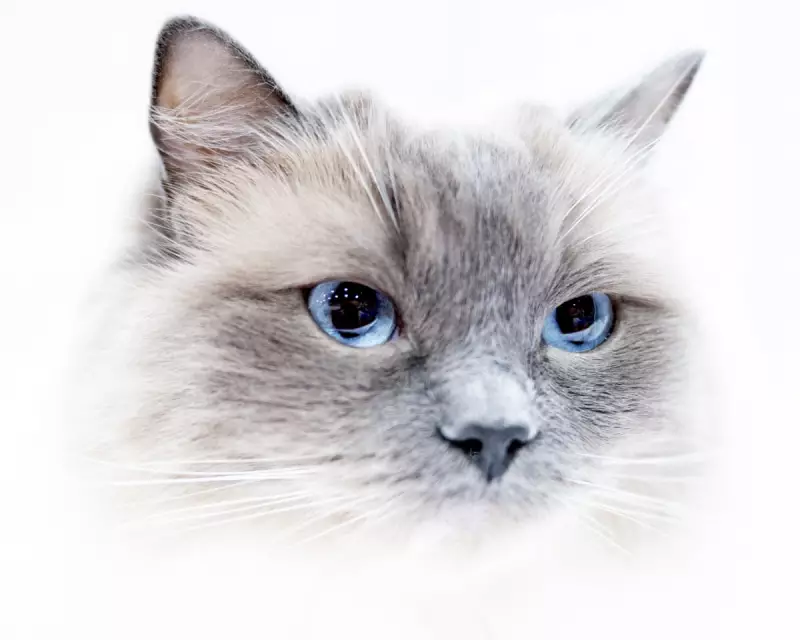
One of the most significant breakthroughs in understanding cat emotions centres on a subtle gesture: the slow blink. Researchers have identified the slow blink as a clear indicator of trust and affection, often described as a "cat kiss." When your cat looks at you and slowly closes its eyes, it is signalling that it feels safe and comfortable in your presence.
Similarly, the act of bunting—where a cat rubs its head and cheeks against you—is far more than just a cute habit. This behaviour deposits pheromones from scent glands, marking you as familiar and safe territory. It's a profound compliment in the feline world, signifying you are considered part of their trusted social group.

Tail Tales and Vocal Cues
A cat's tail is a remarkably expressive emotional barometer. Contrary to the aggressive swish of an annoyed cat, a tail held upright with a slight curve at the tip is a classic sign of a cheerful and confident feline. This "question mark" tail often accompanies a friendly greeting.
Vocalisations also offer deep insight. While the demanding meow is well-known, the soft, rumbling purr of a relaxed cat, often combined with kneading paws, is a powerful signal of contentment. The high-pitched, chirruping trill many cats use as a greeting is another vocalisation reserved for positive social interaction.
Creating a Feline Haven for Emotional Wellbeing
Understanding these signs is the first step; fostering an environment that encourages them is the next. Providing vertical spaces like cat trees, ensuring access to quiet hiding spots, and engaging in regular, species-appropriate play are crucial for emotional health. Play mimics hunting behaviour, satisfying deep-seated instincts and reducing stress.
Respecting a cat's choice and autonomy—such as letting them initiate contact rather than forcing cuddles—builds trust. By learning their unique language and responding to their cues, we move from being mere caretakers to trusted companions, deepening one of the most rewarding bonds in the animal kingdom.