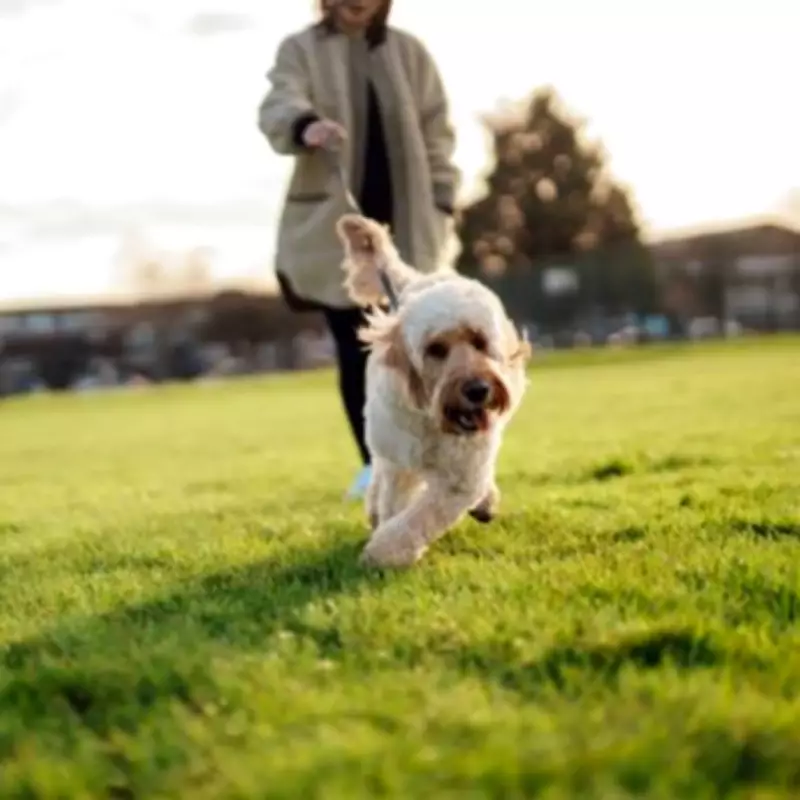
Pet owners across England and Wales are being alerted to a significant legal update that comes into effect this week, introducing stricter penalties for dog-related incidents involving livestock. The new regulations, set to be enforced from Wednesday, 18 March 2026, mark a substantial shift in how authorities handle cases of livestock worrying.
Key Changes to Dog Walking Regulations
The legislation dramatically escalates the consequences for dog owners whose pets attack, chase, or are found loose among livestock. Previously, fines were capped at £1,000, but under the revised law, offenders now face unlimited financial penalties. This change is designed to serve as a stronger deterrent against irresponsible pet ownership.
Expanded Police Powers
In addition to the increased fines, police will be granted enhanced authority to intervene in potential livestock attacks. Officers can now seize and detain dogs if there is reasonable belief that the animal poses a future risk to livestock. This includes the power to enter and search premises to identify, seize, and detain dogs, as well as to collect evidence such as samples or impressions.

The Department for Environment, Food and Rural Affairs has emphasised that livestock worrying does not require physical contact to cause harm. Fear and stress alone can lead to severe injury or even death among animals, resulting in financial losses and personal distress for livestock keepers.
New Defences and Financial Obligations
The law also introduces a new defence for dog owners, exempting them from liability if their pet was under the charge of another person without consent at the time of the offence, such as in cases of theft. Furthermore, courts will have the authority to order offenders to cover expenses related to the seizure and detention of their dogs.
These measures aim to improve animal welfare standards and ensure that pet owners fully comprehend their legal responsibilities before the changes take effect. The regulations provide a clear framework for preventing future incidents and protecting livestock from harm.