Gibraltar's Wild Monkeys Turn to Soil Consumption to Combat Tourist Junk Food Diets
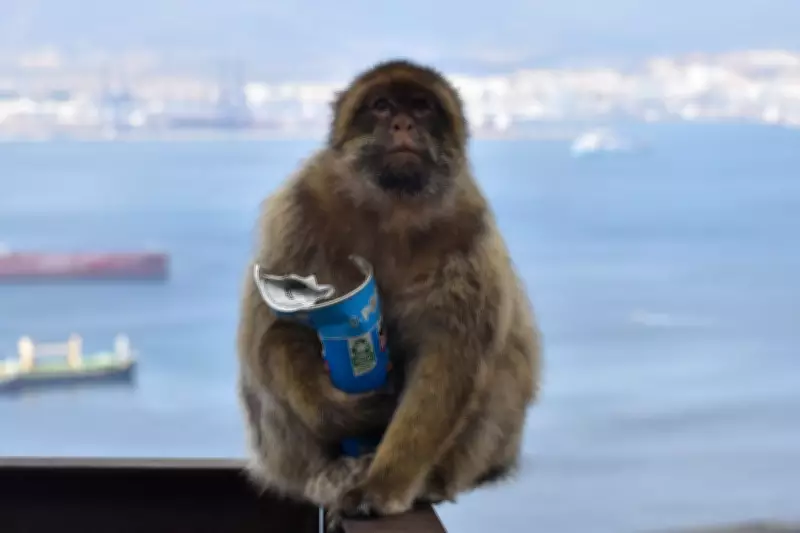
Barbary macaques, Europe's only wild monkey population, are resorting to eating soil to soothe stomach ailments caused by excessive consumption of junk food left by tourists in Gibraltar, according to a comprehensive new study from the University of Cambridge. Researchers have documented that these primates are regularly consuming sugary snacks, ice cream, sweets, and other calorie-rich human foods, leading to significant digestive disturbances.
The Rise of Geophagy in Response to Human Proximity
The practice, known scientifically as geophagy, has been observed extensively across the Rock of Gibraltar. The study reveals that macaques in frequent contact with tourists consume far more dirt, with rates of soil-eating peaking dramatically during the busy holiday seasons. This behavioural adaptation appears to function as a digestive buffer against the high-energy, low-fibre nature of the junk foods, which are known to cause gastric upsets in primates.
"Foods brought by tourists and eaten by Gibraltar's macaques are extremely rich in calories, sugar, salt, and dairy," explained lead researcher Sylvain Lemoine. "This is completely unlike the foods typically consumed by the species, such as herbs, leaves, seeds, and the occasional insect."

Quantifying the Impact of Tourist Feeding on Primate Diets
The research found that across the entire macaque population and observation period, a substantial 18.8 percent of all food consumed consisted of junk food provided by tourists. Despite local authorities supplying daily fruit, vegetables, and water at designated feeding stations, the monkeys actively seek out and pilfer snacks from visitors, despite feeding being strictly prohibited.
Seasonal variations were significant, with monkeys approximately 40 percent less likely to consume tourist food during winter compared to summer. Correspondingly, geophagy rates fell by about 31 percent in the colder months, highlighting the direct correlation between human interaction and this unusual dietary behaviour.
Historical Context and Broader Implications
Native to North Africa, Barbary macaques are believed to have arrived in Gibraltar during the medieval period under Moorish rule, when Berber soldiers kept them as pets. They later became symbols of British sovereignty, with Winston Churchill famously replenishing their numbers when populations dwindled to boost morale among stationed troops.
"The emergence of this behaviour in macaques is both a functional and cultural one, like nut-cracking in chimps, except it is driven entirely by proximity to humans," added Lemoine. "Gibraltar's macaques are deeply entwined with human history, offering a striking example of a human-primate interface."
The only macaque species with higher recorded dirt-eating rates than Gibraltar's population are the semi-feral macaques in Hong Kong's Kam Shan Country Park, which similarly access large quantities of human food from visitors. This parallel underscores the global impact of tourism on wildlife behaviour.
"The range of human interaction across Gibraltar's macaque groups creates a natural experiment for understanding how anthropogenic landscapes affect primate behaviour and culture," Lemoine concluded, emphasising the broader scientific significance of these observations for conservation and ecological studies.