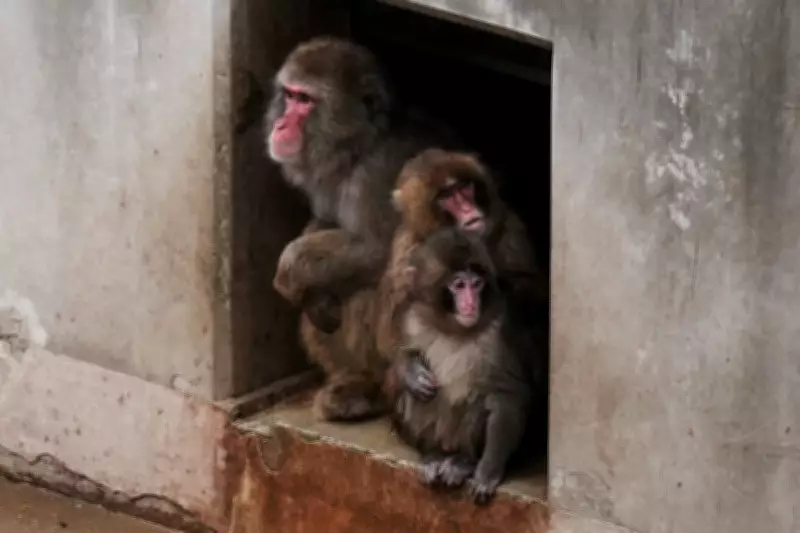
Japanese Zoo Insists Viral Baby Monkey is Being 'Disciplined' Not Bullied
Ichikawa City Zoo near Tokyo has issued a detailed statement defending its care of Punch, the seven-month-old Japanese macaque who became a global internet sensation. The zoo firmly insists that the behaviour observed in viral videos—where Punch is seen being chased by other monkeys—constitutes natural "disciplining actions" within the species' strict hierarchical society, not human-like abuse or bullying.
Hierarchical Society and Natural Discipline
The zoo explained that Japanese macaques, which have been studied by primatologists since 1948, operate within a rigid social structure. Dominant individuals routinely exhibit "disciplining actions" towards subordinates as a normal part of group dynamics. "These behaviours differ from human 'abuses'," the statement emphasised, noting this discipline occurs naturally across macaque groups and is not unique to Punch's situation.
"Punch is spending most of the day peacefully," the zoo reported, clarifying that these disciplining actions are not incessant. Furthermore, the number of monkeys who look after or play with Punch is increasing, leading to more time spent away from his iconic plush orangutan toy from IKEA.

Response to Global Concern and Temporary Measures
The zoo acknowledged receiving "many voices of concern from people both in Japan and overseas" following the circulation of additional videos online. In response, as a temporary measure on March 8, the zoo removed a few high-ranking macaques who had demonstrated aggression more frequently. These individuals are being monitored separately.
Addressing calls from some concerned observers to separate Punch from the troop entirely, the zoo stated this sentiment is "completely understandable" but argued against it. "Punch has become accustomed to living in this troop," they explained, warning that separation now could mean he might never reintegrate, forcing him to live alone for the rest of his life.
Animal Rights Criticism and Zoo's Rebuttal
The situation has drawn criticism from animal rights organisation PETA, which described Punch's treatment as evidence of "the cruelty of zoos." Jason Baker, PETA's Asia president, argued that the viral story shows an animal coping with "isolation and loss" rather than a "cute" or "heart-warming" tale. "Zoos are not sanctuaries," he stated, "they are places where animals are confined, deprived of autonomy, and denied the complex environments and social lives they would have in the wild."
Baker further criticised that "internet fame does not change the reality of captivity," suggesting it fuels a cycle where facilities breed and display babies to drive ticket sales at the animals' expense.
The zoo directly countered such accusations, asserting: "We have no intention of ignoring the 'discipline' or altering our care in order to attract sympathy from people and thereby increase the number of visitors to our zoo or increase profits." They maintained that there is "no evidence that Punch has been attacked in a way that would threaten his survival."
Punch first captured global attention after being abandoned by his mother and was seen clinging to a plush toy at the zoo. Videos showed him being chased away initially but eventually being taken in and cared for by the troop. In February, the zoo had noted Punch "had been scolded many times by other monkeys" but without "serious aggression." The latest statement seeks to provide scientific context to the ongoing online discussion about his welfare.