RSPCA Highlights Alarming Rise in Mass Animal Rescues Across England and Wales
The RSPCA, a leading animal charity, has reported a significant surge in multi-animal rescues, attributing this trend to the ongoing cost of living crisis and a rise in mental health difficulties among pet owners. According to Superintendent Jo Hirst, the charity handled 75 large-scale incidents last year alone, each involving 100 or more animals rescued from single properties.
Financial and Mental Health Pressures Fuel Pet Abandonment
Hirst explained that many people are abandoning animals due to financial constraints, such as inability to afford vaccinations, medical care, or rehoming accidental litters. "People abandon animals because of the financial crisis we are all in," she said. "Sometimes individuals take on pets with good intentions but become overwhelmed, leading to uncontrolled breeding and neglect." She emphasized that neutering costs and rapid breeding cycles can quickly escalate situations out of control.
Mental health issues further compound the problem, with Hirst noting that "a lot of people in crisis sometimes because of their finances, but their mental crisis means they become overwhelmed, can't see the issues and don't know where to reach out for help." This combination of factors has resulted in a six-year high of animals in RSPCA care, with nearly half placed in emergency boarding due to overcrowded centres.

Shocking Cases of Animal Neglect and Overbreeding
Recent incidents underscore the severity of the situation. In one case, over 250 poodle-cross dogs were found at a UK property, with 87 taken in by the RSPCA and the remainder transferred to the Dogs Trust. Another rescue involved more than 450 animals, including approximately 70 horses and donkeys, living in appalling conditions with barns knee-deep in faeces and mouldy forage. Additional examples include:
- Over 30 alpacas rehomed in the Midlands after owners struggled with care.
- 25 Scottish Fold cats rescued from a caravan in south London.
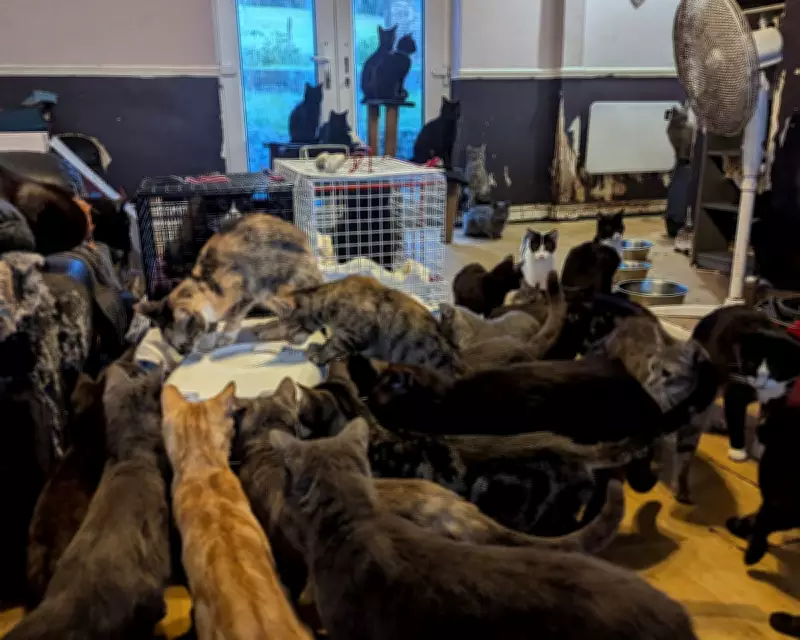
- More than 100 cats, a dog, and a tortoise removed from a three-bedroom house in Devon and Cornwall.
RSPCA investigators have also uncovered cases of exploitative overbreeding of pedigree animals for sale. While the charity pursues prosecution for cruelty, it adopts a compassionate approach for overwhelmed owners, focusing on assistance rather than punishment. Hirst stated, "If someone is deliberately cruel, that is different, if someone is in need and in difficulties, we are here to help."
Challenges in Rehoming and Public Education
The charity faces significant challenges when rescuing large volumes of animals, as each pet requires health checks and assessments for rehoming suitability, such as compatibility with children. Many animals are in poor health, necessitating treatment before adoption. Hirst stressed the need for public education on the long-term costs of pet ownership, including vet bills and neutering expenses, noting that some animals live for "a very long time."
Currently, the RSPCA has numerous pets from these raids available for adoption, including some of the Scottish Fold cats and poodle-cross dogs. The charity continues to urge responsible pet ownership and support for those struggling financially or mentally to prevent further incidents.