RSPB Issues Critical Warning to Bird-Feeding Households This Spring
Households across the United Kingdom who enjoy feeding birds in their gardens are being urged to implement significant changes over the coming months. The Royal Society for the Protection of Birds (RSPB) has issued a stark warning, advising the public to avoid providing two very common food items to garden birds. This precautionary measure aims to drastically reduce the risk of spreading a lethal avian disease that has been decimating certain bird populations.
Alarming Decline in Greenfinch Numbers Prompts Action
Recent findings from the Big Garden Birdwatch have revealed a deeply concerning trend. According to reports highlighted by Ideal Home, there has been a precipitous 67 per cent decline in Greenfinch numbers across the UK. This dramatic drop has resulted in the species being placed on the UK Red List, indicating it is of the highest conservation concern. A primary driver behind this alarming statistic is the rampant spread of disease among garden birds, particularly a condition known as trichomonosis.
This fatal disease, which can be transmitted via contaminated bird feeders and food sources, causes severe lesions in the throat and upper digestive tract of infected birds. It commonly affects finches, including Greenfinches and Chaffinches, as well as pigeons and doves. Symptoms observed in afflicted birds include pronounced difficulty swallowing, extreme lethargy, and rapid weight loss, often leading to death.

Specific Food Items to Avoid and Safer Alternatives
In response to this crisis, the RSPB, collaborating with scientific experts, has reviewed common bird-feeding practices. Following last year's advice to cease using flat feeder tables to hinder disease transmission, the charity is now recommending further specific changes. Avid bird enthusiasts are being strongly encouraged to stop feeding birds peanuts and loose seeds entirely during the period from Friday, May 1, through to Saturday, October 31.
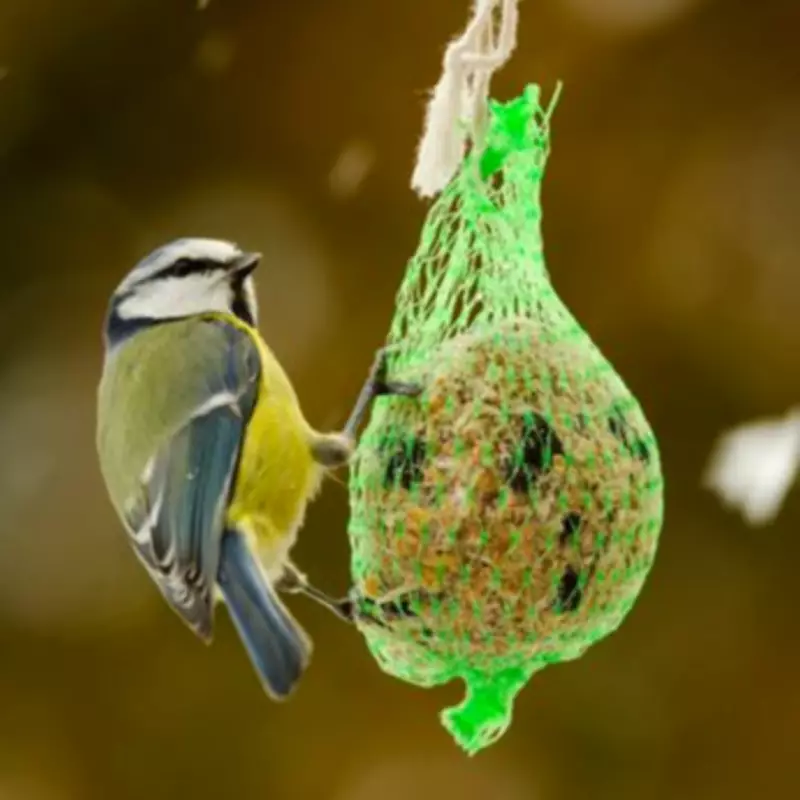
The rationale for this seasonal ban is clear: trichomonosis spreads most readily during the warmer summer and autumn months. To mitigate the risk while still supporting garden birds, experts recommend providing alternative, safer food sources all year round. These include offering small, controlled amounts of mealworms, commercially prepared fat balls, or suet blocks. These alternatives are less likely to contribute to the contamination and spread of the disease at feeding stations.
Executive Insight and Additional Preventative Measures
Beccy Speight, the Chief Executive of the RSPB, emphasised the importance of adapting our habits. "Feeding birds is something millions of us love and value," she stated, "but the science shows us that birds such as Greenfinches have been affected by the spread of disease at feeders. We're not asking people to stop feeding, just to feed in a way that protects birds' long-term health. By making small changes together, we can ensure garden feeding continues to be a positive force for nature."
To further assist in reducing the transmission risk of trichomonosis, the RSPB outlines additional crucial hygiene practices for gardeners. The organisation recommends cleaning bird feeders thoroughly at least once every week using a mild disinfectant. Furthermore, it is advisable to periodically move feeders to different locations within the garden. This simple step helps prevent a dangerous build-up of contaminated food and droppings on the ground beneath a static feeder, which can become a persistent source of infection.
By heeding this updated guidance—avoiding peanuts and seeds in the critical months, opting for safer food alternatives, and maintaining rigorous feeder hygiene—households can play a vital role in safeguarding the health of UK garden bird populations for generations to come.