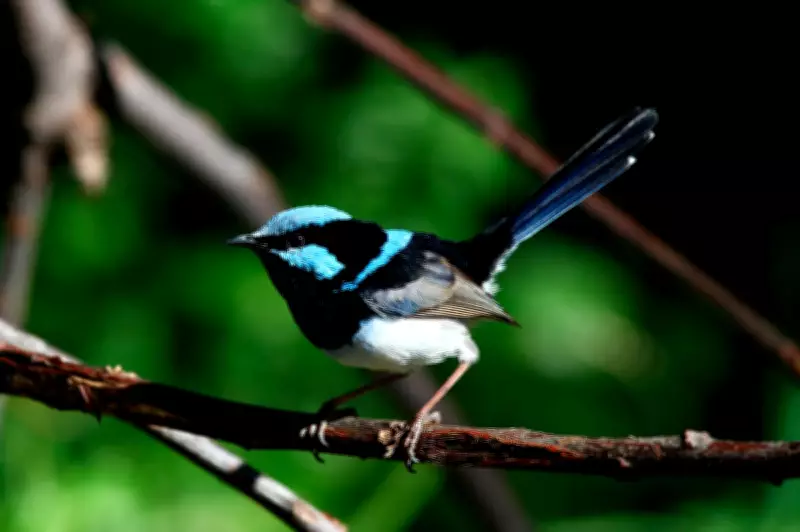
Australia's iconic superb fairywren, a vibrant and cherished bird species, is at severe risk of extinction within the next few decades due to the escalating impacts of climate change, according to a new scientific study. This alarming prediction stems from nearly 30 years of meticulous weekly observations conducted in Canberra's botanic gardens, where researchers tracked the population dynamics of these birds.
Detailed Research Reveals Cumulative Climate Threats
The study, led by ecologist Martijn van de Pol from James Cook University in collaboration with the Australian National University and Hainan University in China, analyzed data collected by researcher Helen Osmond. It found that various weather events, such as dry springs, unusually warm winters, and hot summers, have a compounding negative effect on the birds' survival and breeding success. Van de Pol emphasized that these cumulative impacts are pushing the species toward rapid decline.
Extinction Timeline and Emission Scenarios
Using multiple climate models, the paper projects that population extinction is likely to occur very quickly, within 30 to 40 years under intermediate to high carbon emission scenarios. Even with more optimistic emission reductions, there remains a high risk of extinction within 50 years. This highlights the urgent need for action to mitigate climate change and protect vulnerable wildlife.

Cultural Significance and Broader Implications
The superb fairywren, twice voted Australia's favourite bird in Guardian/BirdLife Australia polls, is not just a symbol of natural beauty but also a potential "canary in a coalmine" for many lesser-known species facing similar threats. Dr. Holly Parsons of BirdLife Australia noted that many Australians feel a deep connection to this "cute" and "colourful" bird, often seen hopping on lawns in south-eastern Australia, including urban areas.
Additional Threats Beyond Climate Change
Beyond climate impacts, the superb fairywren faces other dangers, such as predation by cats and foxes, and habitat loss due to urban development. As housing expands and natural shrubby areas are cleared, the species has become less common in cities. Parsons stressed that this decline in a common bird signals broader wildlife crises, echoing declines in insect-eating birds across Europe and North America.
Call to Action for Conservation
Researchers urge that addressing climate change is critical, but individuals can also take steps to help local birds. Recommendations include providing water sources, planting dense shrubs for shelter, and preserving natural habitats. Van de Pol warned that common species are declining rapidly and deserve more attention, as their loss could indicate deeper ecological imbalances.
This study serves as a stark wake-up call, underscoring the interconnectedness of human activities and wildlife survival, and the need for immediate conservation efforts to prevent the extinction of beloved species like the superb fairywren.