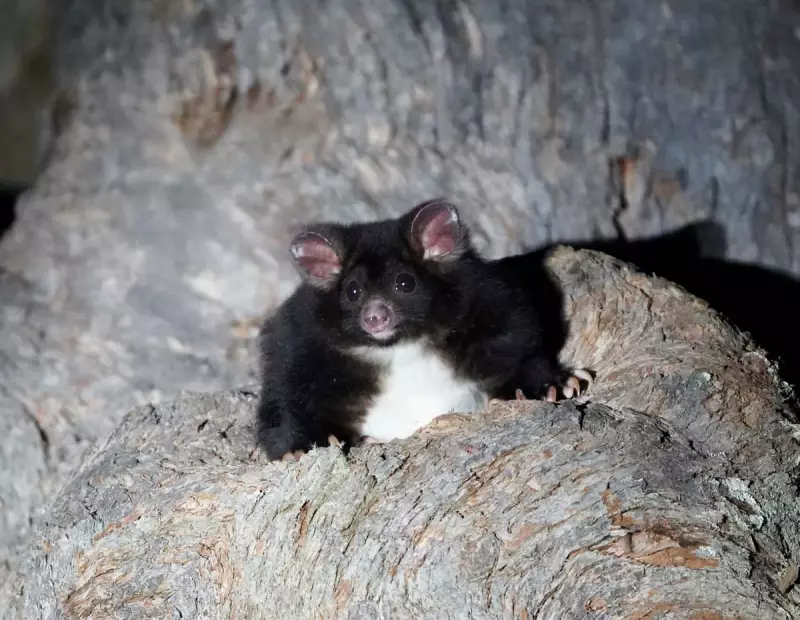
A former New South Wales environment minister has demanded an immediate halt to planned logging operations in a critical south coast forest, after volunteer surveyors discovered over a hundred trees they say house the endangered greater glider.
Citizen Science Clashes with Official Surveys
The environmental group Wilderness Australia reported that its team of citizen scientists detected 102 so-called "den trees" during surveys over the past two months at Glenbog state forest. This forest is slated for logging to begin within weeks.
This figure starkly contrasts with the official count from the state-owned Forestry Corporation NSW (NSWFC), which identified just four den trees in the same area. Under NSW forestry regulations, logging is prohibited within a 50-metre radius of any known den tree. The vast discrepancy raises serious questions about the legality and ecological impact of the planned operations.

Former Minister Condemns 'Ecological Fraud'
Bob Debus, who served as environment minister under former Premiers Carr and Iemma, issued a strong condemnation. He accused the Forestry Corporation of routinely breaching its own regulations, suggesting the practice was effectively embedded in its business model.
"Native forestry operations run at a permanent loss so in reality, taxpayers are paying the fines when they are prosecuted," Debus stated.
Andrew Wong, Operations Manager at Wilderness Australia, who led the volunteer team, warned that proceeding with logging based on inadequate surveys could constitute "ecological fraud." He accused the NSWFC of conducting the bare minimum of surveys, thereby underestimating the true population of protected gliders.
Survey Methods and a Biodiversity Stronghold
The Glenbog forest, adjacent to Deua National Park, is a recognised biodiversity hotspot. Its unique cloud forest microclimate provides a refuge for greater gliders and other threatened species from extreme temperatures.
Wong explained his team's methodology: they identified large hollows in old trees by day and returned at dusk to observe gliders emerging. Using thermal cameras and spotlights, they logged each sighting on a geolocating app. The data was submitted to the government's BioNet system.
Wong criticised the Forestry Corporation's historical survey practices, which until recently were conducted during the day. Although they have now shifted to dusk surveys following a court ruling, Wong claims many surveys still miss the crucial emergence window and fail to properly inspect hollows deep in the forest or on the far sides of trees.
"Glenbog is a biodiversity stronghold that should never be logged," Wong asserted.
Official Responses and Wider Impact
In response, a spokesperson for the Forestry Corporation said it conducts nocturnal surveys in line with the specific parameters set out in its approval conditions. They stated that third-party records, including those from the citizen scientists, are being incorporated into their operational plans and that exclusion zones are established around confirmed den sightings.
The agriculture minister responsible for forestry, Tara Moriarty, said she expected the corporation to adhere strictly to the requirements of the Coastal Integrated Forestry Operations Approvals.
The controversy extends beyond greater gliders. The area is also home to 666 identified wombat burrows, many belonging to animals rehabilitated and released by a neighbouring wildlife sanctuary. The sanctuary's founder, Marie Wynan, expressed grave concern, stating, "They don't deserve to be buried alive." The NSWFC said it is working with the sanctuary to avoid damaging burrows, referencing an informal agreement made after burrows were destroyed in a 2014 logging incident.
The situation at Glenbog has become a flashpoint in the debate over native forest logging in New South Wales, with critics arguing it demonstrates the practice is environmentally untenable and poorly regulated.