From Industrial Wasteland to Coastal Gem
Nestled along the coastline of a traditional British seaside village lies a remarkable environmental success story. Blast Beach in Seaham, County Durham, has undergone a dramatic metamorphosis from a notorious toxic dumping ground into a celebrated treasure hunting destination. This extraordinary transformation showcases how concerted environmental efforts can rehabilitate even the most severely degraded landscapes.
A Legacy of Industrial Contamination
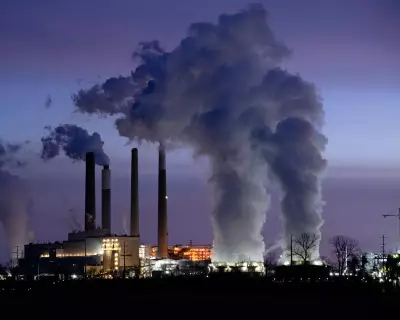
For much of the twentieth century, Seaham served as a bustling industrial hub dominated by coal mining, iron production, glass manufacturing, and brickworks. The area boasted three active coal mines alongside numerous foundries, docks, railway networks, and coal staithes. A common and devastating practice across these industries involved discarding all waste materials directly over the cliffs into the sea below.
This systematic dumping created what became known locally as 'Chemical Beach,' where millions of tonnes of colliery waste accumulated over decades. The pollution extended up to seven miles out to sea, rendering the shoreline one of the most contaminated in the United Kingdom, and indeed, the world. For years, the beach remained strictly off-limits to the public, a dangerous testament to industrial negligence.

The Turning Point: Government Intervention
The late 1990s marked a pivotal moment with the launch of the Government's ambitious 'Turning the Tide' rehabilitation scheme. This £10 million initiative aimed to restore this damaged stretch of coastline to a safe and usable condition. The comprehensive cleanup operation involved removing vast quantities of colliery waste and industrial debris, dismantling derelict structures, and implementing ongoing environmental monitoring.
Beyond mere cleanup, the project focused on active revitalisation. New coastal shrubbery was planted, walking trails were constructed, and even a golf course was developed to attract visitors and support local regeneration. The scheme proved overwhelmingly successful, fundamentally altering the beach's character and potential.
Treasure from the Tide: The Seaglass Phenomenon
Today, Blast Beach is renowned not for its pollution, but for the beautiful Victorian glass fragments that wash ashore. These pieces of seaglass, originally discarded waste from the area's historic glassworks, have been tumbled smooth by decades of wave action. They now appear as polished gems in soft pastel hues of blue, green, amber, and white, scattered across the sand.
The beach has become a premier destination for seaglass hunters, who can be seen patiently scouring the shoreline with their eyes fixed downward, hoping to discover these unique historical artefacts. The activity has grown into a popular pastime, drawing visitors from across the country who appreciate both the beauty of the finds and the fascinating story they represent.
Visible Reminders of a Toxic Past
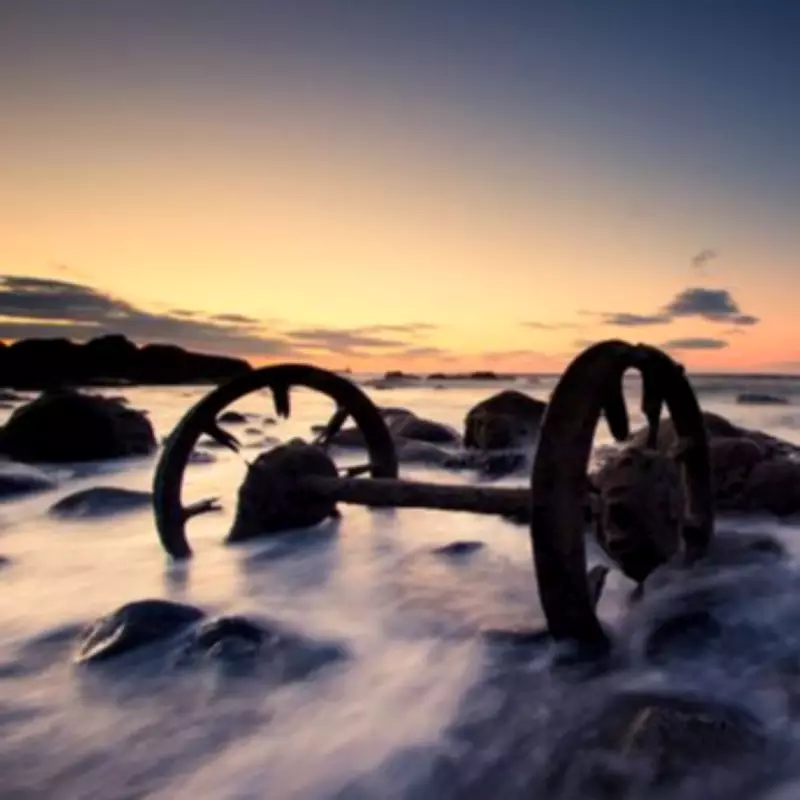
Despite the successful cleanup, Blast Beach has not entirely erased its industrial history. Following periods of heavy rainfall or severe storms, traces of contamination can still emerge. Puddles of rusty red water occasionally form on the sand, serving as a stark visual reminder of the iron-rich waste that once saturated the area. These moments provide an important context, highlighting the scale of the transformation and the ongoing vigilance required to maintain the beach's improved state.
The cliffs themselves bear witness to this history; some formations are essentially artificial slag heaps sculpted to resemble natural rock, a permanent geological imprint of the area's industrial past. This unique landscape tells a dual story of environmental degradation and recovery, making a visit to Blast Beach both a treasure hunt and a lesson in ecological resilience.