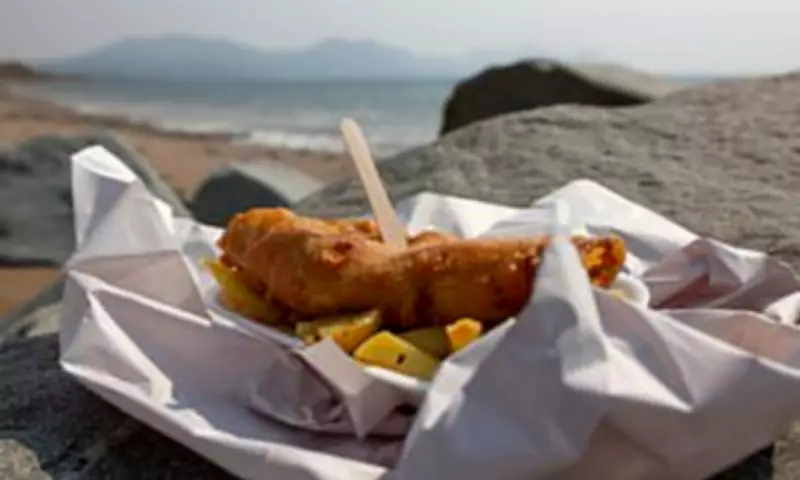
Cod and Chips Could Disappear from UK Menus Amid Sustainability Crisis
It has been a beloved seaside tradition for generations, but the classic dish of cod and chips may soon be off the menu, according to a stark warning from scientists. The popular fish, celebrated for its flaky white flesh, features in approximately 167 million fish and chip meals served annually across the United Kingdom. However, with stocks declining rapidly, consumers are being encouraged to consider more obscure alternatives to preserve marine ecosystems.
Marine Conservation Society Updates Good Fish Guide
The alert comes from the Marine Conservation Society, which has recently updated its Good Fish Guide based on the latest scientific assessments. The organisation stated that there are no longer any recommended choices for UK-caught cod, advising Britons to opt for European hake instead. For those contemplating a switch to scampi, the news is even more dire, as this option has also fallen down the sustainability ratings.
Kerry Lyne, Good Fish Guide Manager at the Marine Conservation Society, emphasised: 'The challenge isn't that fish and chips will disappear, but that the species must be sourced from further afield. As pressure grows on traditional choices like cod and scampi, the Good Fish Guide highlights more sustainable alternatives and shows how consumer choices can support healthier local fish stocks and better-managed fisheries.'

Decline in Cod Populations Driven by Multiple Factors
UK cod populations have been in a steady decline since 2015, attributed to overfishing, climate-induced changes in sea temperatures, and ecosystem pressures that hinder breeding. Remaining stocks in the northern UK waters have now slipped further in ratings, meaning any cod consumed should ideally be imported from abroad. The guide also recommends avoiding cod caught in the Arctic region.
The Marine Conservation Society identifies Icelandic cod caught by longline or gillnet methods as the 'best choice' for this fish. Some UK haddock remains a viable option, particularly when sourced from the North Sea or West of Scotland, depending on catch locations.
Scampi and Other Seafood Also Face Sustainability Issues
Similarly, UK-caught scampi, known as langoustines, has been downgraded due to fishing levels exceeding recommended amounts for years and declining populations. Conservationists advise selecting langoustines caught by pot or creel rather than trawled methods. As an alternative, experts suggest UK-farmed king prawns, which have a significantly lower environmental impact.
Many fish and chip shops nationwide already offer European hake as an alternative, and the Good Fish Guide enables consumers to verify whether their fish purchases come from recommended sources.
Broader Impact on UK Seafood Consumption
This update to the Good Fish Guide extends beyond fish and chips. Mackerel, removed from the charity's recommended list last April and recently withdrawn by retailers like Waitrose, is now red-rated, urging consumers to avoid it entirely. Currently, the UK imports around 80 percent of its seafood, prompting calls for improved domestic fishery management to rebuild stocks and reduce import reliance.
The guide does recommend some well-managed UK options, such as seabass from the North Sea, English Channel, and Celtic Sea, or plaice from the North Sea. Additionally, UK-farmed seafood like blue mussels and freshwater trout are suggested as sustainable choices.
Chris Graham, Head of Sustainable Seafood and Ocean Regeneration at the Marine Conservation Society, commented: 'As an island nation, the UK has long relied on its fishing communities and the seas that support them. It's deeply concerning seeing so many of our iconic fisheries – from cod to mackerel – under increasing pressure. While climate change is playing a role, years of overfishing and poor management have also taken their toll.'

Environmental Concerns Over Fishing Methods
Scampi, or Norway lobster, is often caught using bottom trawling, a technique that involves dragging weighted nets across the ocean floor. Last month, scientists from Convex Seascape Surrey warned that this method threatens to release vast stores of carbon dioxide and devastate ocean ecosystems. A study by the University of Exeter found that bottom trawling can release carbon trapped in mud for thousands of years, adding a hidden climate cost.
Co-author Professor Callum Roberts advised that people should 'definitely' avoid British scampi caught through bottom trawling, urging a switch to more sustainable fish.
Public Urged to Embrace Sustainable Alternatives
The Marine Conservation Society advocates avoiding the 'big five' overfished species: cod, prawns, salmon, tuna, and haddock. Instead, consumers are encouraged to choose more sustainable options like hake, mussels, farmed trout, anchovies, sardines, and saithe/coley. Ocean conservationists have long warned that cod shoals are being decimated by overfishing, with some sources suggesting cod could face extinction this century.
For those looking to make swaps, haddock can be replaced with coley, which has firm flesh that turns white and flaky when cooked, while good alternatives to tuna include mackerel and herring. Wild Atlantic salmon, also in the red zone, can be substituted with farmed Arctic char or rainbow trout, and rope-grown mussels are listed as a favourable choice for prawn enthusiasts.
List of Sustainable Seafood Options from the MCS
- Oysters, mussels, and king prawns (UK-farmed): These delicacies are locally available, with UK-farmed shellfish being both tasty and sustainable.
- Atlantic halibut (UK-farmed): Only farmed halibut from the UK is recommended, as this species is endangered in the wild.
- Herring (Irish Sea – North): This population is in good health, with fishing pressure within sustainable levels; herring from the North Sea is also a good choice.
- Plaice (UK caught from the North Sea): Populations here are thriving, making it an excellent sustainable option.
- European Hake (UK caught): After low stock levels in 2006 and new conservation measures, hake populations have rebounded and remained high over the past decade, hailed as a 'true success story'.