Family Foraging on Romney Marsh: A Kentish Coastal Tradition
The expansive tidal flats of Romney Marsh in Kent stretch out in desolate beauty, with only a few hunched black-backed gulls picking at a decomposed dogfish and four determined human figures—one notably small—trudging through the endless silt. A light mist veils the coastline, obscuring the string of motley houses, while the distant soughing of shallow waves chasing foam over the sand whispers on the breeze. This secluded landscape carries a piquancy of isolation and its attendant dangers, perhaps the closest approximation to wilderness that Kent can offer.
Armed with Handmade Rakes and Hopeful Buckets
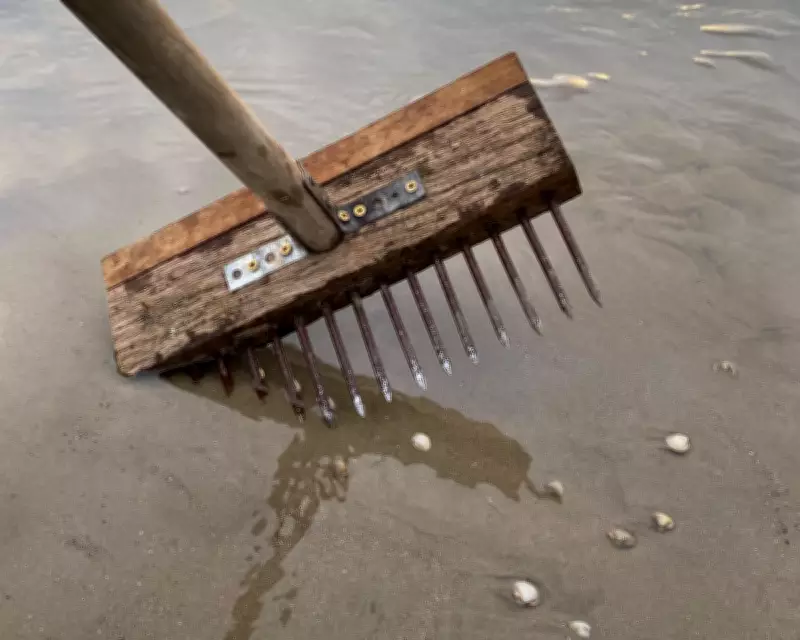
While the author relishes the long walk through this lonely place, the children display less enthusiasm for the annual pilgrimage to the cockle beds—a typically chilly affair, as shellfish quality diminishes during the spring and summer months. The family travels well-armed, brandishing handmade rakes with formidable tines fashioned from six-inch nails, while the youngest member carries a hopeful white bucket. Approximately half a mile offshore, their labour commences in earnest.
Within moments, excited calls of "I can feel something" echo across the flats. As the rakes work deeper into the mud, the exquisite forms of plump common cockles emerge as the silt clears in the briny film covering the beach. Soon, excitement builds: the youngest scoops shellfish from the sand, while the older two heckle her to work faster, competing to discover the largest specimens. Their prey exists here in thousands, and they selectively harvest the best, leaving the remainder to resubmerge safely into their habitat.

The Modest Harvest and Family Camaraderie
After an hour of diligent work interspersed with playful mud fights, the family accumulates a modest number of cockles and begins the trek back toward shore. Wandering homeward, they share laughter at the prospect of the author preparing and cooking the catch. The process involves rinsing the shellfish and leaving them to purge in clean salty water, enhanced with oatmeal so the cockles can filter and feed, thereby flushing out residual sand.
Despite this meticulous processing, the author confesses never having successfully achieved a completely grit-free cockle meal. The offspring promptly remind them of their general indifference to cockles as food, particularly when insufficient quantities of fried bacon accompany the dish. This culinary reality underscores the deeper meaning behind their expedition.
The True Prize Beyond the Bucket
There exists a clear absurdity to this cherished tradition—the considerable effort and cold fingers involved in gathering essentially unneeded food. Yet, the genuine prize does not reside within the white bucket. Instead, it manifests in a family walking home united by their engagement with some fundamental, natural human behaviour. This shared experience, rooted in connection to the coastal environment and each other, stands as a compelling reason to continue foraging.
Such outings highlight the enduring value of simple, hands-on traditions that foster family bonds and a tangible link to the natural world, even when the practical yield remains modest. The Romney Marsh cockle beds thus serve as a backdrop not merely for harvesting shellfish, but for cultivating memories and reinforcing familial ties through shared endeavour and laughter.