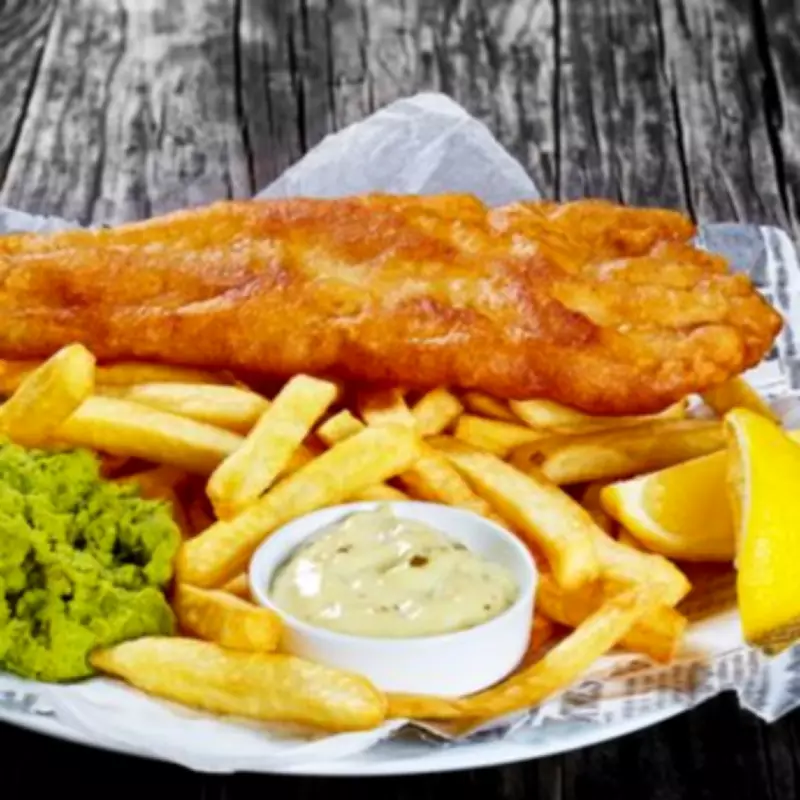
Fish and chips, a beloved British tradition, now come with a critical warning from marine experts. Consumers are being urged to scrutinise their orders carefully, with one specific word holding the key to making an environmentally responsible choice.
The 'Avoid' Rating for UK Cod
The Marine Conservation Society (MSC) has delivered a sobering assessment, downgrading all UK cod stocks and removing them entirely from its list of sustainable seafood options. The MSC's authoritative Good Fish Guide now assigns Atlantic cod from the Arctic, northern shelf, and British seas its worst possible classification: "avoid." This dramatic reclassification reflects severe depletion in local populations.
Scientific Warnings Ignored
Ruth H. Thurstan, Associate Professor in Marine and Historical Ecology at the University of Exeter, explains that the cod typically served in British fish and chip shops should be avoided unless explicitly labelled as 'Icelandic.' Professor Thurstan highlights that cod populations around the UK have declined so drastically that the International Council for the Exploration of the Sea (ICES) has recommended zero catches for certain stocks for multiple consecutive years.

"Catch limits have consistently been set above scientific advice," Professor Thurstan told The Conversation. "For example, allowing catches of around 14,000 tonnes of North Sea cod in 2026. This is no exception as 58% of all UK fishing quotas for 2026 exceed recommendations from ICES."
Recovery Hampered by Fishing Practices
Even when quotas are theoretically reduced, recovery efforts face significant practical obstacles. Cod are frequently caught unintentionally in mixed fisheries primarily targeting other species like haddock. The widespread use of unselective and destructive fishing gear, particularly bottom trawls—heavy nets dragged along the seabed—means cod continue to be removed from ecosystems even when they are not the intended catch.
Climate Change Compounds the Crisis
Environmental pressures extend beyond fishing practices. Climate change is forcing cod northwards or into deeper waters as sea temperatures rise, disrupting entire marine ecosystems and traditional fisheries. Warmer waters can adversely affect reproduction, reducing the survival rates of eggs and larvae. Simultaneously, shifts in ocean currents and prey availability create additional hurdles for population recovery.
These combined factors—overfishing, destructive practices, and climate impacts—paint an increasingly dire outlook for local cod stocks. The traditional British Friday night treat now carries substantial ecological consequences.
The Sustainable Alternative: Icelandic Cod
Not all cod carries the same environmental burden. Atlantic cod caught in Iceland's waters using long lines and nets maintains a "best choice" rating in the Good Fish Guide. This stark contrast highlights the importance of provenance: Atlantic cod from British waters receives an "avoid" label regardless of catch method, while Icelandic cod remains sustainable.
Consumer Power and Alternatives
Professor Thurstan emphasises that informed consumer choices can drive market change. "Asking where fish comes from and how it was caught can help drive demand towards better managed stocks," she advises. When this information is unavailable, switching to alternatives like hake can reduce pressure on depleted cod populations.
For those uncertain about their choice, Professor Thurstan recommends:
- Checking for stocks and catch methods labelled green on the Good Fish Guide
- Looking for the blue tick certification from the Marine Stewardship Council
- Specifically requesting 'Icelandic' cod when ordering fish and chips
The message is clear: preserving Britain's fishing heritage requires conscious consumer decisions. That simple question—"Is it Icelandic?"—could make all the difference for future cod stocks and the classic British fish and chips experience.