UK's Largest Oyster Rewilding Project Aims to Revitalise North Sea Ecosystems
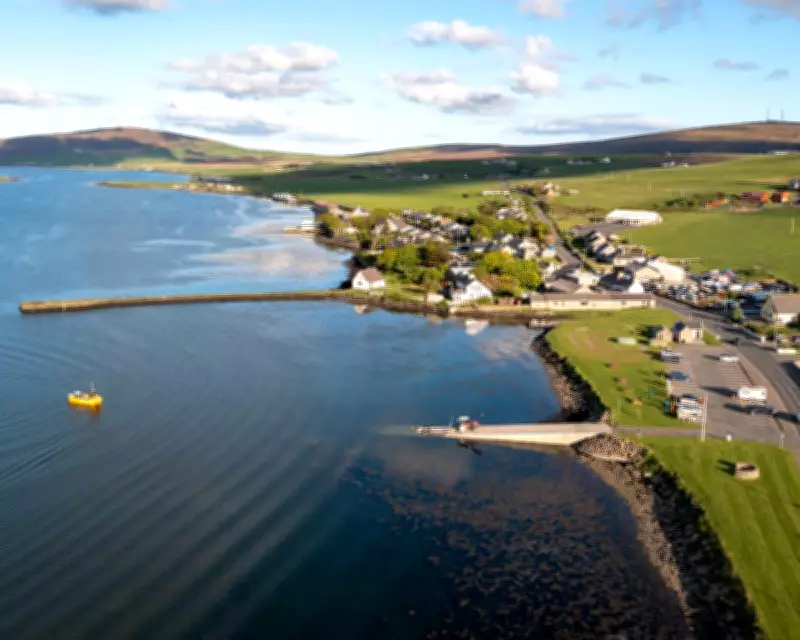
In an ambitious environmental endeavour, more than 15 million juvenile oysters are scheduled for release into the North Sea, marking one of the most extensive rewilding projects ever undertaken in UK waters. This initiative, centred around Orkney in Scotland, employs a novel rearing technique to re-establish a vast oyster bed, which experts anticipate will trigger a "trophic cascade" of ecological and climate benefits.
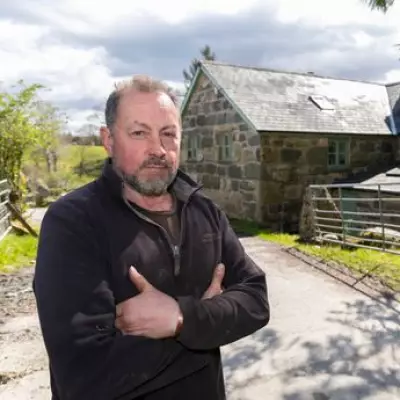
Richard Land, the marine specialist spearheading the project, emphasised its broad impact. "It won't just benefit fish and the bay, it will benefit sea mammals, seabirds and the whole environment," he stated. The scheme is a collaborative effort involving the Green Britain Foundation, the Nature Restoration Fund, Marine Fund Scotland, and North Bay Innovations, with hopes it will serve as a model for reviving oyster beds across coastal regions throughout the UK.
Historical Decline and Modern Restoration
Oyster beds were once a cornerstone of the UK's marine ecosystems, covering expansive coastal areas—some in the North Sea spanned an area comparable to Wales. However, during the Industrial Revolution, oysters became a staple food for workers; between 1840 and 1850, Londoners alone consumed an estimated 700 million of these shellfish. This overfishing, coupled with pollution, climate change, and deliberate removal to clear shipping channels, led to a severe decline in oyster populations and associated species, causing a "negative cascade" that devastated marine habitats.

Experts believe restoration projects like the one near Orkney offer a pathway to rejuvenate coastal waters, combat the climate crisis, and enhance water quality. Dale Vince, founder of the Green Britain Foundation and a key supporter, highlighted research indicating oyster reefs can sequester substantial amounts of CO2. The project aims to restore approximately 15 million oysters across a new bed covering over 100 hectares (247 acres), potentially capturing up to 76 tonnes of CO2 annually.
Innovative Techniques and Long-Term Goals
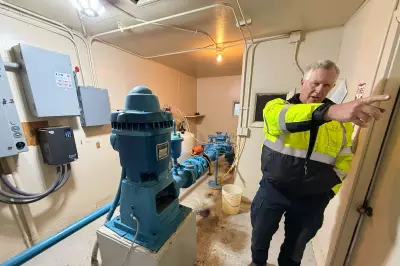
The Orkney initiative cultivates juvenile oysters onshore using "plates" enriched with calcium carbonate. Once established, these plates are deployed into the sea on long lines to protect the oysters from predators until they mature and form beds, creating reefs that host diverse species such as scallops, molluscs, algae, seaweeds, and invertebrates.
Vince noted that the ultimate objective is to stimulate natural spawning, which could exponentially increase carbon capture. "This whole project actually came from: how do we get nature to do the carbon capture for us? Restoring native oyster beds is a perfect example of how we can work to restore nature and fight the climate crisis at the same time," he explained.
Political and Academic Support
Alistair Carmichael, the Liberal Democrat MP for Orkney and Shetland, welcomed the plan, stating, "Efforts to restore and recover historic wildlife in the isles are absolutely welcome, particularly if there is an opportunity for carbon sequestration at the same time." He underscored the importance of balancing marine resource use for future generations.
Philine Zu Ermgassen from the University of Edinburgh stressed the necessity of reintroduction schemes. "As oysters are now so few in number, they are unable to recover in many locations without human intervention. It is exciting that hatchery techniques are developing to meet the needs of the growing restoration community," she remarked, highlighting the innovation's role in supporting ecosystem recovery.
This project represents a significant step towards marine conservation, aiming to breathe new life into UK waters while addressing climate challenges through natural processes.