Scientists Call for Human Behaviour Management in Venice Lagoon
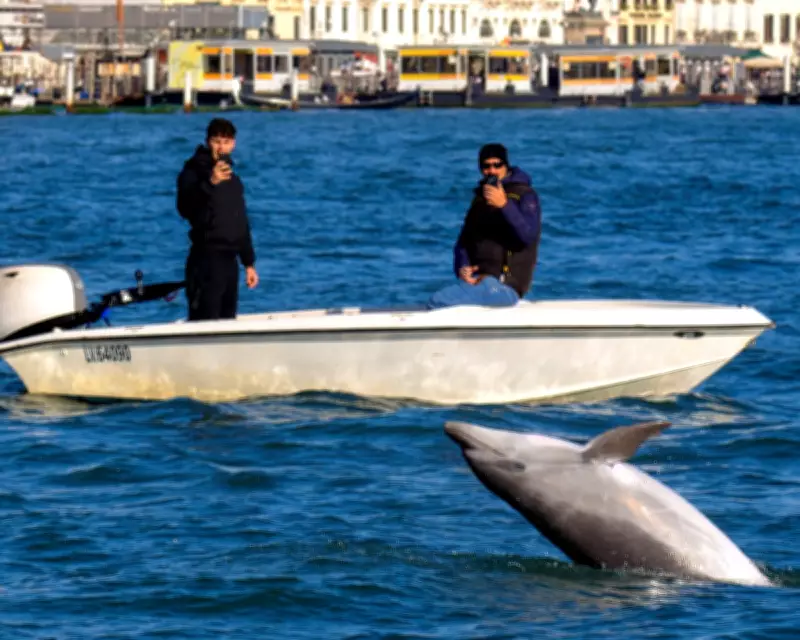
Italian researchers monitoring a solitary bottlenose dolphin in the Venice lagoon have issued a stark warning: it is humans, not the wildlife, that require proper management. The dolphin, affectionately named Mimmo, has become a charismatic resident since its first appearance in June last year, but scientists argue that urgent controls on boat traffic and human conduct are essential to ensure its welfare.
Mimmo's Remarkable Adaptation to Urban Waters
Known for its acrobatic leaps that delight tourists and locals alike, Mimmo has been the subject of intensive study by a team from the University of Padova. Their research, published in the journal Frontiers in Ethology, documents the dolphin's movements over several months, revealing a remarkable adaptation to the unusual urban environment of the Venetian lagoon.
Guido Pietroluongo, the study's senior author and a conservation veterinary pathologist, emphasised that while Mimmo appears healthy and regularly feeds on mullets, the real challenge lies in managing human behaviour. "We present the case of one of the most charismatic animals in one of the most iconic cities," Pietroluongo stated, highlighting the need for measures to protect the dolphin from risks posed by human activities.

Rising Concerns Over Tourism and Marine Life
The presence of Mimmo has sparked growing concerns about the impact of tourism on marine life in Venice. Animal and environmental activists launched a "save Mimmo" campaign amid fears that the dolphin could be injured or killed by boat propellers in the busy lagoon. Water-taxi driver Manuel Tiffi, who first spotted Mimmo on 23 June 2025, reported that the dolphin often swims "right in front of the bow," prompting drivers to warn others to exercise caution.
Despite these warnings, scientists note that Mimmo shows no fear, but the greatest risk comes from inappropriate human interactions, particularly irresponsible boat driving. Researchers have called for stricter controls on speed and maintaining safe distances to mitigate these dangers.
Historical Context and Contemporary Challenges
Bottlenose dolphins are the most common species in Italian waters, and while they typically move in pods, there have been several recent cases of solitary dolphins in the Adriatic seeking coastal or urban areas. Historically, dolphins have resided in the Venetian lagoon, adapting to coexist with human maritime activities.
However, Giovanni Bearzi, a researcher with four decades of experience studying Adriatic dolphins, pointed out the persistent difficulty humans face in respecting wildlife. "What is truly unusual is not the dolphin's presence, but the persistent difficulty humans have in respecting such animals today," Bearzi said. He urged a greater appreciation for opportunities to coexist with and enjoy wildlife, noting that dolphins have accompanied human activities for millennia.
Ongoing Monitoring and Future Measures
Since Tiffi's initial sighting, scientists have conducted weekly observations from boats, with support from Venice authorities and citizens. They have tracked Mimmo's movement from the southern to the northern end of the lagoon, where it remains present. The research underscores that while Mimmo's behaviour is typical of the species, human actions pose a significant threat.
In response, the scientific community advocates for enhanced regulations and public awareness campaigns to foster responsible behaviour. The study serves as a critical reminder of the need to balance tourism and conservation in iconic locations like Venice, ensuring that marine life can thrive alongside human inhabitants.