American Woodcocks Captivate New Yorkers with Their Bizarre Bouncing Strut
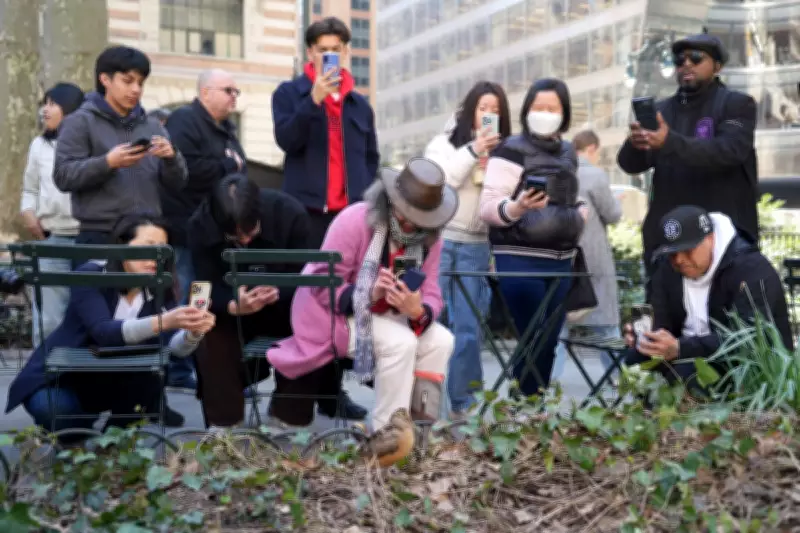
In a delightful spring spectacle, American woodcocks have become the unexpected stars of New York City, attracting throngs of onlookers to Bryant Park in Midtown Manhattan. These peculiar birds, often dubbed "timberdoodles" or "bogsuckers," arrived in late March as part of their annual northward migration, and their presence has sparked a wave of public fascination.
The Charismatic Birds That Steal the Show
With their round bodies, enormous eyes, and long, thin bills, woodcocks possess a goofy appearance that endears them to spectators. Dozens of people gather daily, armed with smartphones and cameras, to witness the birds' unique foraging behavior as they poke their bills into the ground in search of earthworms. Bill Rankin, a Yale University professor, described them as "very charismatic" and noted their "nice little dance when nervous," adding that seeing two together creates a "romantic story of spring."
Social Media Fuels Unprecedented Popularity
This year, the woodcocks have garnered more attention than usual, largely due to widely shared videos and pictures on social media platforms. Their signature walk—a shimmying, head-bobbing motion—has gone viral, though its purpose remains debated among experts. Some enthusiasts interpret it as a mating dance, while scientists like Andrew Farnsworth from the Cornell Lab of Ornithology suggest it may involve foraging, roosting, or even deceptive behaviors to avoid predators.

Courtship Displays and Conservation Concerns
Beyond their daytime antics, woodcocks are known for their dramatic courtship displays at night, where males emit buzzing calls before flying erratically to attract females. As these birds prepare to continue their migration north by mid-April, their popularity has opened doors for conservation education. Ryan F. Mandelbaum, a New York City naturalist, highlighted the opportunity to raise awareness about threats such as collisions with building glass and light pollution, noting that while not endangered, woodcock populations have declined in recent decades.
The shared joy and community spirit emerging from this avian phenomenon underscore the importance of urban wildlife encounters in fostering public engagement with nature and conservation efforts.