Chile's Environmentalists Prepare for Conflict as New President Prioritises Business Over Nature
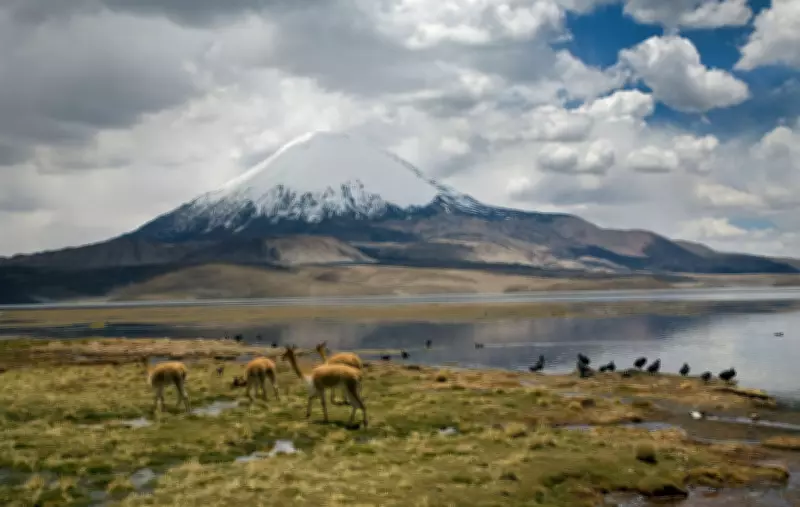
In the remote highlands of northern Chile, the stark beauty of Lake Chungará in Lauca National Park, home to vicuñas and giant coots, belies a deepening crisis. The altiplano, or highlands, serve as the vital source of all water feeding farms and towns in this arid region, yet many residents fear that excessive water extraction by mining companies is causing the valleys below to dry up. As Chile's new far-right president, José Antonio Kast, takes office, environmentalists are mobilising to defend the country's fragile ecosystems against what they see as an impending assault on protections.
Local Livelihoods Under Threat in Arica y Parinacota
Andrea Chellew, a 62-year-old regional councillor in Arica y Parinacota, relies on tourism for her cafe along Highway 11, a trade route between Bolivia and Chile. However, with fewer visitors arriving amid reports of increased mining near protected areas like Lauca National Park, her business suffers. Chellew emphasises the highlands' role as the sustenance of life, noting that water flows from the mountains to valleys such as Azapa and Lluta, and ultimately to the coastal city of Arica. She warns of a serious problem, stating that mining benefits very few while leaving others in misery.
Kast, who won the recent election with over 62% of the vote in this region, campaigned on a platform of greater security and a pro-business agenda, promising fewer permits and more investment. He criticised what he termed excessive bureaucracy in environmental regulations, arguing they hinder economic growth. As he assumed the presidency on 11 March, environmental activists expressed deep concern about the potential impacts on conservation efforts, Indigenous rights, and water access.

Indigenous Communities and Water Rights at Risk
Marcela Gómez Mamani, a representative of the Indigenous Umirpa community and a member of the regional council, highlights water as the greatest concern. In the Vitor-Codpa basin, more than 4,000 metres above sea level, the Aymara community worries about mining operations by companies like Andex Minerals, which is exploring for copper near Camarones. Gómez Mamani alleges that drilling exceeds documented depths, threatening water sources essential for agriculture, livestock, and tourism. She criticises the government for recognising Indigenous culture in theory but ignoring land and water rights in practice, portraying communities as obstacles to development.
The area, designated as an Alto Andino Indigenous development area for sustainable growth, faces disrespect, with ancestral paths blocked by rocks and complaints ignored. This tension reflects broader issues in Chile, where mining accounts for over half of exports and attracts significant foreign investment, yet has led to toxic pollution from heavy metals like arsenic and lead, causing health problems in northern regions.
Economic Priorities Versus Environmental Health
Fernando Cabrales Gómez, an economist at the University of Tarapacá, notes that mining is a pillar of Chile's economy, contributing about 20% of state income in 2021 and matching developed countries in productivity. However, past incidents, such as toxic waste dumping by foreign companies in Arica y Parinacota, have resulted in arsenic and metal poisoning, illustrating the consequences of prioritising investment over public health. Luz Ramírez, president of the Mamitas del Plomo Foundation, founded after high arsenic levels were found in her children's blood, calls for a government committed to environmental protection, noting that contamination issues remain unresolved decades later.
Recent accidents, like a truck spilling 20,000 litres of soya bean oil into Lake Chungará, have sparked protests demanding stronger environmental safeguards. Nationally, the delay in enacting the Biodiversity and Protected Areas Service under the previous leftist government of Gabriel Boric risks its scrapping by Kast's administration, potentially blocking conservation efforts. Lorena Arce of Chile's Citizen Observatory warns that activism will shift to defence rather than promotion of new protections.

Water Scarcity and Climate Challenges in the Atacama Desert
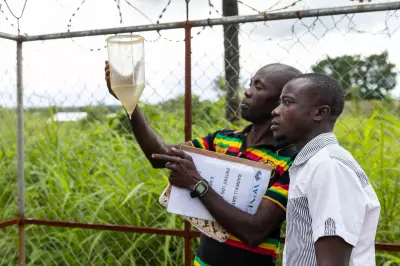
The Atacama Desert, one of Earth's driest places, makes water a highly political issue. Sources include rivers like Lluta and San José, groundwater, and high-altitude wetlands, but the Azapa aquifer faces shortages, threatening agricultural valleys known as Chile's refrigerator for year-round produce. Climate change exacerbates this, with projections of temperature rises up to 6°C and precipitation declines up to 30% by 2080, according to the environment ministry.
Chile's water system, privatised under a 1981 code from the Pinochet dictatorship, grants permanent rights to private entities, allowing mining companies to buy large shares and creating tensions with Indigenous communities. A 2022 reform limited rights to 30 years and prioritised human consumption and environmental protection, but critics say it fails to address historic inequalities. Gloria Lillo Ortega of the National Irrigation Commission points to governance issues as critical, noting that while Boric prioritised small-scale agriculture and Indigenous groups, Kast may shift focus to large-scale users.
In Putre, Sebastián Vidal Díaz of the Aka Pacha Foundation fears Kast's productive vision will bring extreme changes to the north, a region with few approved mining projects, driven by a desire for more foreign investment. As environmentalists brace for battle, the future of Chile's natural resources hangs in the balance, with communities fighting to preserve their water and way of life against economic pressures.