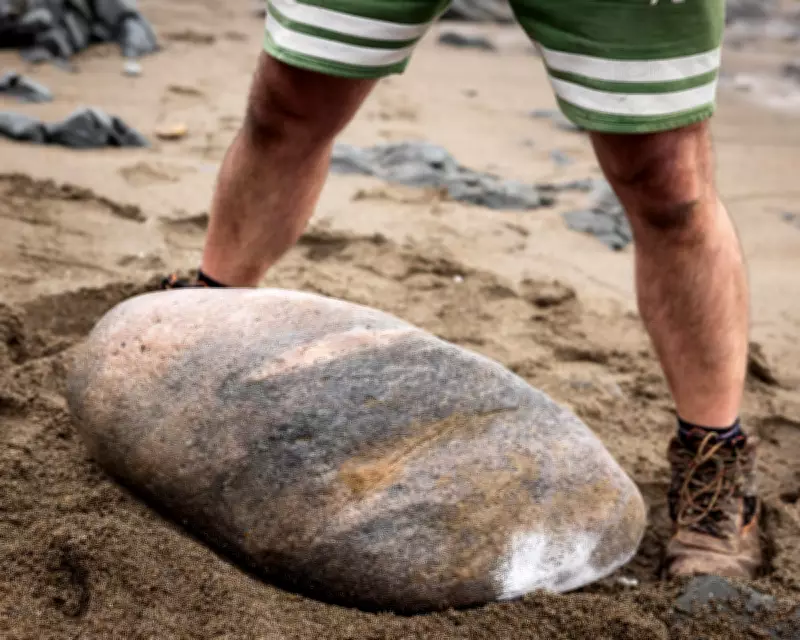
A fascinating geological dispute has surfaced regarding the origins of the rounded boulders used in the ancient sport of stone lifting in Ireland. This debate challenges long-held assumptions and sheds light on the natural processes that shape our landscape.
Debunking the Glacial Theory
In a recent exchange of letters, Professor Gray proposed that these boulders are glacial erratics, but this view has been strongly contested. Dr. Alan Woolley from Weybridge, Surrey, argues that blocks frozen in glacial ice typically retain their angular shapes and do not undergo significant abrasion. Instead, he suggests that the rounded forms are more likely the result of river or coastal erosion, where rock fragments are rolled and dragged by currents over time, forming characteristic boulders, cobbles, and pebbles.
Implications for Historical Sports
This geological insight adds a new layer to our understanding of Ireland's ancient stone lifting traditions. The sport, which involves lifting heavy stones as a test of strength, has deep cultural roots, and the origin of its equipment is now a topic of scientific inquiry. The debate highlights how natural history intersects with human activities, offering a richer context for appreciating these historical practices.

Political Shifts in Gorton and Denton
Meanwhile, in the political arena, the recent byelection in Gorton and Denton has sparked optimism among many. The Green party's victory, which pushed Labour to third place, is seen as a sign of changing tides in UK politics. Richard Bryant from London expressed hope that this shift could herald a future focused on compassion, fairness, and social justice, moving away from divisive and nostalgic politics.
Les Bright from Exeter added a key lesson from the election, noting that people often prefer practical solutions, like those from plumbers, over abstract political theories from professors. This sentiment reflects a broader desire for tangible results in governance.
Quiz Controversy and Reader Engagement
In a lighter note, a question from the Weekend Quiz caused some confusion. John Pye from Southampton misinterpreted "the body produces 2m of what every second?" as referring to metres rather than millions, leading to a humorous mental image. The correct answer was red blood cells, highlighting how background knowledge can influence perception.
The Guardian continues to encourage reader participation, inviting opinions on any topic for potential publication in their letters section. This fosters a dynamic exchange of ideas across diverse subjects, from geology to politics and trivia.