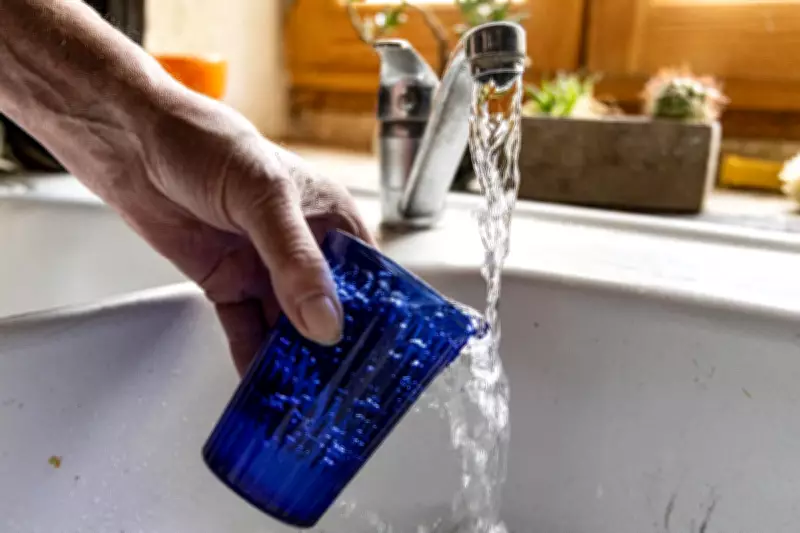
Approximately one in five Americans may have been exposed to a tasteless compound linked to multiple cancers in their tap water, according to a new study. Nitrates, which are invisible and odorless, have been associated with thyroid disease, preterm births, birth defects, and other health issues even at low concentrations.
Nitrate Pollution Sources
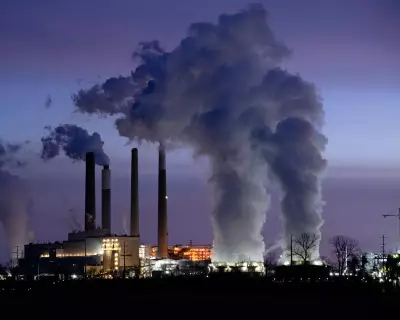
Nitrates are commonly used in fertilizers and can leach into streams and rivers that supply public water systems. Other sources include manure from animal feeding operations, leaky septic tanks, urban storm runoff, and agricultural runoff.
Study Findings
Research conducted by the Environmental Working Group (EWG) indicates that more than 62.1 million people received drinking water with nitrate levels at or above 3 milligrams per liter at least once between 2021 and 2023. This water was supplied by approximately 6,114 community water systems. The study describes these elevated nitrate levels as "likely human-caused."

The Environmental Protection Agency (EPA) currently sets a legal limit for nitrate in drinking water at 10 mg/L, a standard established in 1962 to prevent "Blue Baby Syndrome," a condition where newborns suffer oxygen deprivation due to nitrate poisoning. However, new research suggests increased risks of colorectal and other cancers, thyroid disease, and birth defects at nitrate levels as low as 5 mg/L, below the legal limit.
Health Risks and Recommendations
EWG researchers conducted a meta-analysis of eight studies evaluating the link between colorectal cancer and nitrate in drinking water. They found that a limit of 0.14 mg/L is needed to reduce cancer risk. An update to the Tap Water Database revealed that 178 million people are served by public water systems with nitrate levels exceeding this threshold. States accounting for 60% of all water systems with elevated nitrate levels include California, Pennsylvania, Washington, Kansas, North Carolina, New York, Nebraska, Texas, Arizona, and Wisconsin.
Personal Impact
Ben, a 13-year-old from Des Moines, Iowa, contacted Iowa State Representative Dr. Austin Baeth to urge investigation into the issue. "I remember when I could drink water from the faucet, but now it is a health concern," Ben wrote in a letter shared via TikTok. Baeth, moved by Ben's poem, stated, "As a parent, hopefully someday as a grandparent, I feel it is so crucial that we adults step up for our kids."
Economic Costs
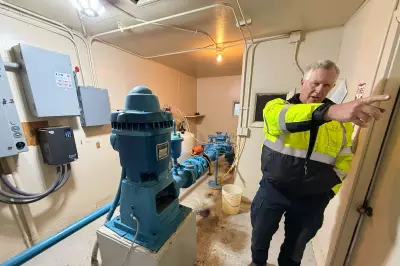
Des Moines Water Works built a nitrate removal facility in 1992 for about $4.1 million, now costing roughly $10,000 per day to operate during summer. In 2025, the system operated for 112 days to control nitrate levels. The EWG estimates that treating cancers linked to nitrate exposure could cost the U.S. between $250 million and $1.5 billion annually. Changing weather conditions due to climate change increase runoff and soil erosion, exacerbating nitrate leakage. The group recommends policy reforms, such as encouraging farmers to cover crops or diversify crop rotations, to address the problem.