A new report has revealed that Norwegian fish farms are polluting the country's iconic fjords with waste that has been likened to the raw sewage of millions of people. The study, conducted by the Norwegian Institute for Water Research, found that the discharge from salmon farms contains high levels of nutrients, organic matter, and chemicals that are devastating marine ecosystems.
Scale of the Problem
The report estimates that the waste produced by Norway's fish farms is equivalent to the untreated sewage from a population of several million people. This waste, which includes fish faeces, uneaten feed, and antibiotics, settles on the seabed and creates dead zones where oxygen levels are too low to support life.
Environmental Impact
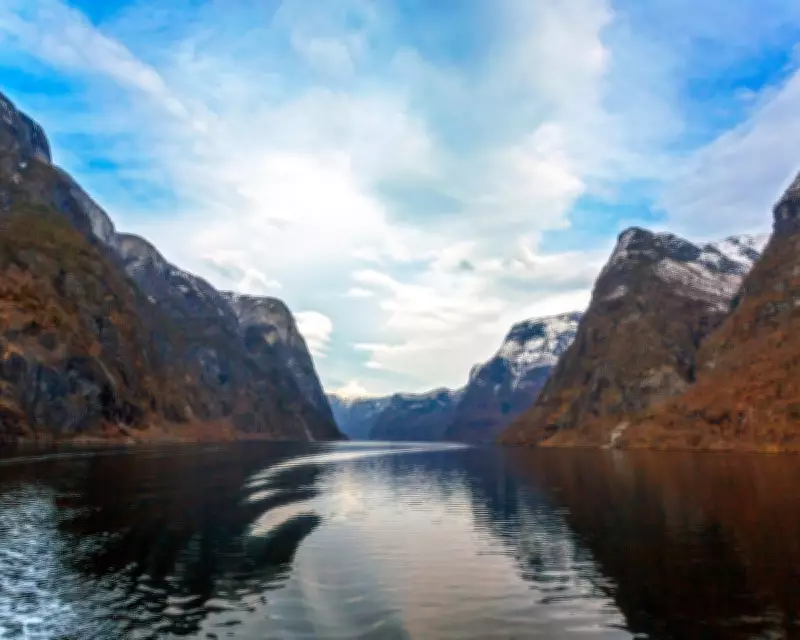
The pollution has been linked to the decline of wild salmon stocks and other marine species. Fjords, which are typically deep and narrow, are particularly vulnerable as they have limited water exchange with the open ocean, allowing pollutants to accumulate. Local communities have reported foul odours and discoloured water, affecting tourism and fishing.

Regulatory Failures
Environmental groups have criticised the Norwegian government for failing to enforce strict regulations on the aquaculture industry. Despite promises to make the industry more sustainable, the number of fish farms has increased, and the use of chemicals to control sea lice has raised further concerns about antibiotic resistance.
Industry Response
The Norwegian Seafood Federation has acknowledged the issue but argues that the industry is working on solutions, such as closed-containment systems that prevent waste from escaping. However, critics say these technologies are not being adopted quickly enough.
The report calls for immediate action, including stricter limits on fish farm density, better waste management, and the protection of the most vulnerable fjords. Without such measures, the pollution is expected to worsen, threatening both the environment and Norway's reputation as a producer of sustainable seafood.