Sydney's Fatberg Crisis: The Inaccessible Monster Polluting Beaches
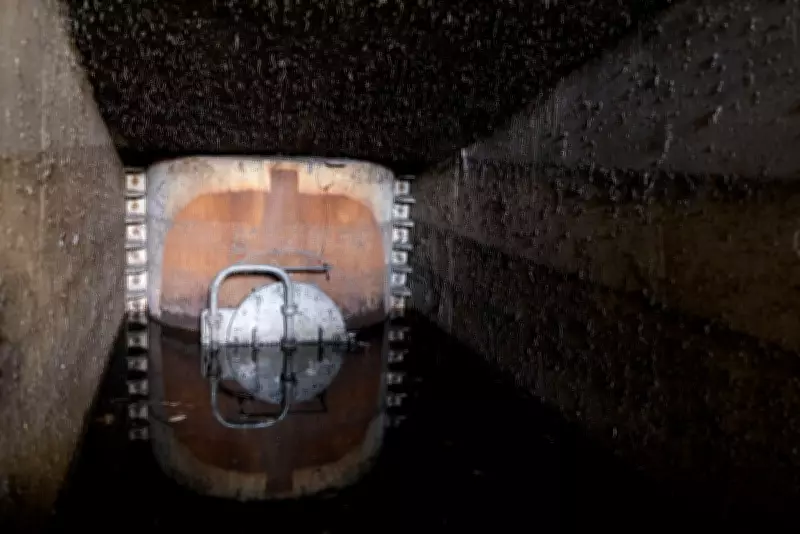
Behind a rusty bulkhead door at Sydney's Malabar wastewater treatment plant lies a colossal fatberg, estimated to be the size of four buses, which continues to deposit poo balls on the city's iconic beaches. Despite ongoing efforts, this accumulation of fats, oils, and grease (FOG) remains largely inaccessible, posing a persistent environmental challenge.
The Inaccessible Dead Zone
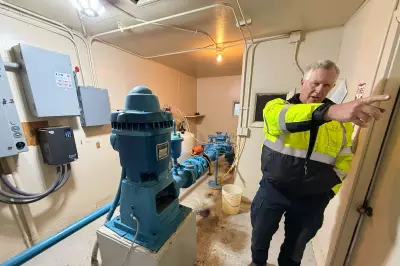
Fiona Copeman, the hub manager at Malabar, describes the fatberg as residing in an "inaccessible dead zone" beyond a bulkhead door submerged in waist-high water. Sydney Water has attempted to assess its size using drones, but turbulence from sewer gases and rapid effluent flow has hindered these efforts. The corporation theorizes that sloughing events, triggered by power losses or heavy rainfall, dislodge pieces of the fatberg, which are then carried through ocean outfall diffusers and back to shore by waves and wind.
In late 2024 and early 2025, this led to beach closures at popular spots like Coogee, Bondi, and Manly. In response, the NSW Environment Protection Authority issued a pollution reduction program requiring Sydney Water to undertake significant works, including fat removal from the Malabar outfall area.

Limited Access and Removal Efforts
Access to the fatberg is severely restricted. A small chamber behind the bulkhead door can be entered only during specific conditions, such as lunar low tides with minimal rainfall, typically every four to six months. During these brief windows, crews pump out spillover material, but the core fatberg remains untouched. Above ground, a gas vent allows for some removal via hoses, with 53 tonnes extracted in April 2025 alone. However, FOGs quickly re-accumulate, and the main mass persists.
Copeman notes that the consistency of the fatberg varies, sometimes gritty or scummy, and staff have even handled it to understand its nature. The smell, unsurprisingly, is distinctly sewage-like. Sydney Water insists that fully accessing the fatberg would require shutting down the city's largest ocean outfall for months, an approach deemed unacceptable in a recent internal report.
Plant Operations and Upgrades
The Malabar plant handles 40% of Sydney's sewage, processing up to 1,300 megalitres daily during wet weather. In sedimentation tanks, solids are removed as sludge for further treatment, while effluent is discharged to sea. Upgrades are underway, including improvements to scum transfer pumps and a $3 billion capital works program to divert sewage from Malabar. Despite these measures, FOGs in the catchment have risen by 39% over the past decade.
Ben Armstrong, Sydney Water's principal manager of environment, emphasizes the challenge of treating such volumes at the end of the pipe, advocating for source removal. Meanwhile, at nearby Malabar beach, swimmers continue to enjoy the water, albeit with occasional sewage odours wafting from the cliffs.
Uncertain Future
While efforts are ongoing to prevent future incidents, Copeman acknowledges uncertainty about whether poo balls will reappear. "I don't want to say that there will never be an event again," she states, "but we are trying to do everything in our power to prevent it." The battle against this hidden monster underscores the complexities of urban wastewater management and its impact on public health and the environment.