A Delightful Day at the Dump: Salvaging Treasures from Trash
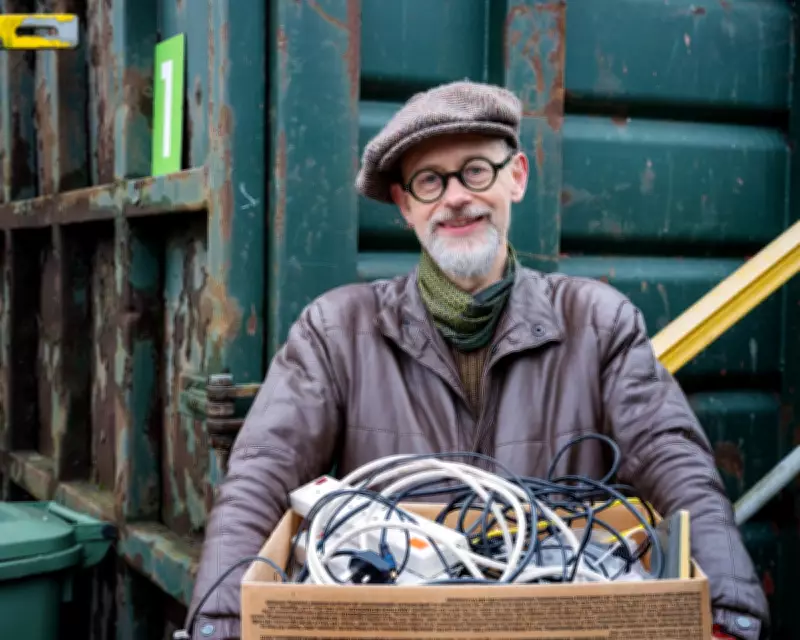
At the council recycling tip in Chingford, north-east London, a vibrant hub of activity unfolds daily as residents drop off everything from fridges and dishwashers to mattresses, golf clubs, bicycles, and batteries. But the real magic happens in the onsite ReUse shop, where people hunt through weird and wonderful treasures, transforming waste into valuable finds.
From Embalmed Rabbits to Vintage Crockery: The Art of Salvage
Lisa Charlton, who has worked at the ReUse shop for over a year and a half, embodies the spirit of reuse. When an embalmed rabbit in a Perspex box—a veterinary teaching tool with exposed organs and skeleton—arrived last year, she knew it had to be saved from landfill. Sure enough, a regular customer with a taste for the macabre snapped it up. Charlton has salvaged a diverse range of items, including furniture, old toys, lampshades, and walking frames. She even set aside cast-iron cauldrons for her sister, who runs a shop in Cornwall focused on crystals and healing.
Items that have passed through her shop include vintage crockery, antique crystal vases with solid silver rims, a spindly 1920s chair, and an old ammunition box. "I'm waiting for the day that one person will buy something for £2 and sell it for a profit," she says, referring to a "Del Boy moment." Charlton admits she's no expert, which sometimes leads to missed opportunities but often ensures items find unique homes.

A Bustling Hub of Activity and Community
On a cold Friday morning at the Kings Road Reuse and Recycling Centre, located on a former playing field in Waltham Forest, the site hums with activity despite threatening rain. By 10:30 AM, debris clatters against the garden waste chute, and brightly coloured signs direct visitors to large containers accessible by metal staircases. Smaller items go into household bins lined up by a fence parallel to a train line, while large trucks efficiently replace full containers—a seamless operation managed by waste crews in orange hi-vis gear.
Throughout the day, people shed unwanted stuff: two brothers renovating their third house dispose of woodwork and cardboard boxes; women drop off unused paint and donate bird books. Guy Lester, finally renovating his bathroom after 20 years, hauls out old tiles, joking that it will please his wife to clear the rubbish bags.
The Growing Tide of Waste: A National Crisis
Almost everything finds a home at the recycling centre, from saleable items in the shop to sections for fridges, dishwashers, mattresses, and usable paint. Containers hold plastic, glass, timber, scrap metal, and blue buckets filled with batteries, iPhones, and thousands of discarded vapes—a small sample of the 5 million vapes thrown away weekly in the UK. This reflects a broader issue: the UK disposes of 1.6 million tonnes of furniture and bulky waste annually, with 42% being furniture, 19% electrical and electronic waste, and 19% textiles.
Total waste from UK households reached 25.9 million tonnes in 2023, a 1% increase from 2022, according to government figures. England generates approximately 84% of this total, partly due to its declining recycling rate—the only UK country where this trend is worsening. Illegal dumping exacerbates the crisis, with an estimated 8,000 sites containing about 13 million tonnes of rubbish, while the Environment Agency shut down only 743 illegal waste sites in England in 2024-25.
Regulars and Innovators: Stories from the Ground
Steve Myhill, a retired support officer to the mayor of Waltham Forest, visits the centre regularly, joking he should have a loyalty card. After clearing out his late mother's flat, he donated many items to charity shops and brought others like her walking frame here. Myhill always checks the ReUse shop, where he has bought an arts and craft cabinet, a wooden art deco mirror, and an old-fashioned bureau for £29. "The trick is to not go back with more stuff than I arrived with," he says.
Production designer Alison Julian arrives in a large car to stock up on items for TV shows, photo shoots, and musicians' tours. For a recent boxing magazine shoot, she bought mid-century furniture and a shell lamp. Today, she eyes a white tasselled lampshade and measures a cast-iron log burner for her home, noting its weight and dirtiness.

Victor Ademosu, founder of the upcycling project Footprint for Good, buys a wobbly bedside table and a rain-damaged chest of drawers with cigarette burns for £1. His project works with youth offenders, care leavers, and excluded schoolchildren, teaching them to refurbish items that would otherwise go to landfill. "They can give it a whole new life and probably sell it," he says, highlighting how this combats street crime by offering entrepreneurial skills and environmental awareness.
Historical Context and Modern Challenges
In the Victorian era, dumps were formed on settlement edges, with waste transported by barge. Many historical landfills, now vulnerable to flooding, pose safety risks due to potential toxic contamination. Dr Henry Irving, a historian of waste at Leeds Beckett University, notes that recycling rates hit 80% during World War II under the "make do and mend" ethos. However, waste became a monumental problem in the 1960s and 70s as consumer goods were replaced, leading to the birth of household tips.
Today, fast fashion and disposable furniture fuel waste. Ikea produces Billy bookcases every three seconds, sold for £55, while UK adults discard 1.4 billion clothing items and 7 million mattresses annually. Planned obsolescence, popularized after the 1929 Wall Street crash, has become an environmental nightmare, with electronic waste being the fastest-growing stream—62 million tonnes globally in 2022.
Looking Ahead: Recycling, Reuse, and Repair
The North London Waste Authority (NLWA), the second largest in the UK, operates seven sites including Kings Road, capturing 48,784 tonnes of waste last year. Of this, 74% was recycled, reused, or composted, with the remainder incinerated at the Edmonton EcoPark waste-to-energy plant. A waste-management officer emphasizes, "This is the future... we have to recycle."
NLWA chair Clyde Loakes advocates for a shift towards reuse and repair, recalling his father's generation's skills. In response, the NLWA offers repair vouchers, covering 50% of costs up to £50 for fixing household appliances. As the afternoon quietens, Anna Hamido, a pastoral worker, shares how visits bring her joy, especially after her mother's death, as she searches for nostalgic items like a foxhunting picture.
Charlton sums it up: "It's nice not to see things go to waste when they've got so much more life in them." This centre exemplifies how community efforts can tackle the waste crisis, one salvaged item at a time.