Renewable Energies Overtake Global Electricity Demand in Historic Shift
In a landmark development for the global energy sector, renewable power sources surpassed the growth in worldwide electricity demand during 2025. This unprecedented achievement was primarily fueled by explosive solar expansion in China and India, according to a comprehensive analysis by energy think tank Ember.
Record Clean Energy Growth Outpaces Demand
The report reveals that clean power generation increased by 887 terawatt hours last year, comfortably exceeding the overall global electricity demand growth of 849 terawatt hours. This represents a significant milestone in the transition away from fossil fuels that have traditionally dominated power generation.
Ember's analysis, which examined electricity data from 91 countries representing 93% of global demand, shows renewables including solar, wind, hydropower and other clean sources reached more than one-third of the world's electricity mix for the first time in modern history. The share grew to 33.8%, generating 10,730 terawatt hours of electricity.

"We're coming from a period over the last few decades where new electricity demand growth meant growth in fossil generation," explained Nicolas Fulghum, Ember senior data analyst and lead author of the report. "We're now moving into a world where that's no longer the case."
Solar and Wind Power Lead the Transformation
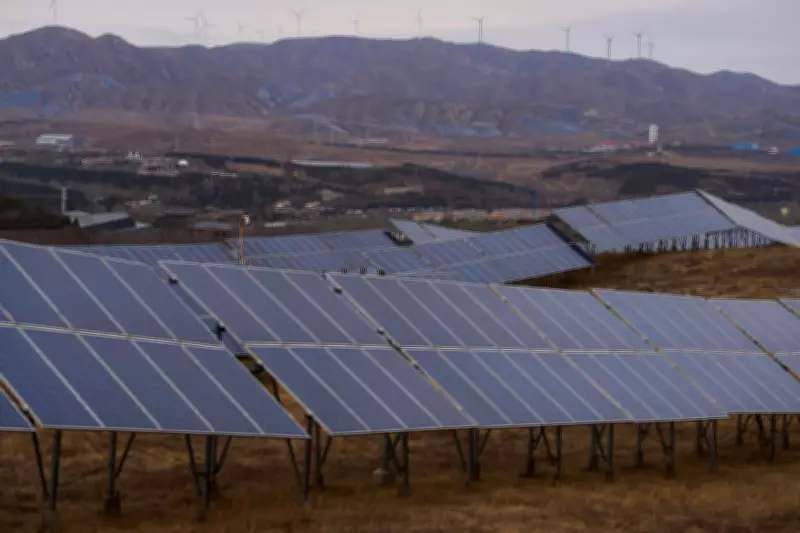
Solar power, which grew by an impressive 30% in 2025, alone met three-quarters of last year's net rise in electricity demand. When combined with wind power generation, these two renewable sources satisfied 99% of the increased demand.
For the first time, solar overtook wind power globally last year and is gaining ground on nuclear power. Ember anticipates both solar and wind will surpass nuclear generation this year, marking another significant shift in the global energy landscape.
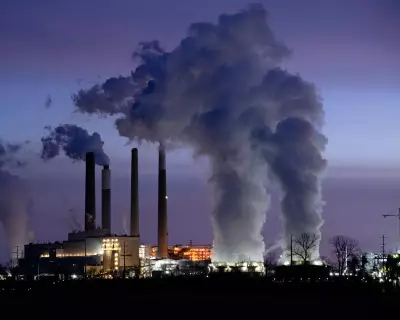
In another historic first, coal power saw its share fall below one-third of global generation, dropping 0.6% to 63 terawatt hours. Fossil fuel generation essentially halted, declining approximately 0.2% in 2025, making it one of only a handful of years this century without an increase in fossil fuel use.
Battery Storage Accelerates Solar Integration
The rapid expansion of solar power worldwide has been accompanied by significant growth in battery storage technology. As battery costs fell by 45% last year, storage capacity grew by 46% in 2025.
Ember estimates that enough battery capacity was added last year to shift 14% of the solar generation from midday to other hours of the day. This development is crucial for maximizing solar energy utilization beyond daylight hours and represents a key advancement in renewable energy integration.
"Despite the accelerated growth and electricity demand that comes with added electric vehicle build out, of heat pumps, industrial sector electrification," Fulghum noted, "clean power will be able to structurally meet that increase in demand going into the next few years, before then bending the curve and reducing the amount of fossil generation we're using."
Regional Transformations in Major Economies
2025 marked the first time this century that both China and India, historically major contributors to fossil fuel generation, experienced declines in fossil fuel power production. China saw a 0.9% reduction (56 terawatt hours), while India recorded a more substantial 3.3% decrease (also 56 terawatt hours).
China led the world in solar expansion, accounting for more than half of global growth in both solar capacity and generation last year. The country also dominated wind power development, adding 138 terawatt hours of wind generation capacity.
India experienced record increases in both solar and wind generation, complemented by strong hydropower output. In a notable reversal from previous trends, India also saw lower-than-average electricity demand growth, moving away from the pattern of fossil fuel increases that had characterized its post-pandemic economic recovery.

Global Progress Despite Challenges
The United States and Europe added 85 terawatt hours and 60 terawatt hours of solar capacity respectively last year, even as fossil fuels saw minor increases in these regions. While the U.S. administration has emphasized traditional energy sources, and Europe continues its downward trend in fossil generation, the global transition to renewables maintains momentum.
"As we're seeing the cost of oil be incredibly volatile right now because of the war, I think more and more people are looking to that national security argument as a reason to think about how we electrify more and how we're able to take advantage of additional solar and wind, which does not rely on other countries," observed Alexis Abramson, dean of the Columbia University Climate School.
"We've really crossed this important threshold that clean energy now can meet rising demand economically and at the same time really help address national security concerns," she added. "The next challenge is really turning that into a steady decline of fossil fuel use as well. So it's a great step in the right direction."
This comprehensive analysis demonstrates that despite geopolitical tensions and varying national policies, the global energy transition continues to advance, with renewable sources now structurally positioned to meet growing electricity demands while reducing dependence on fossil fuels.