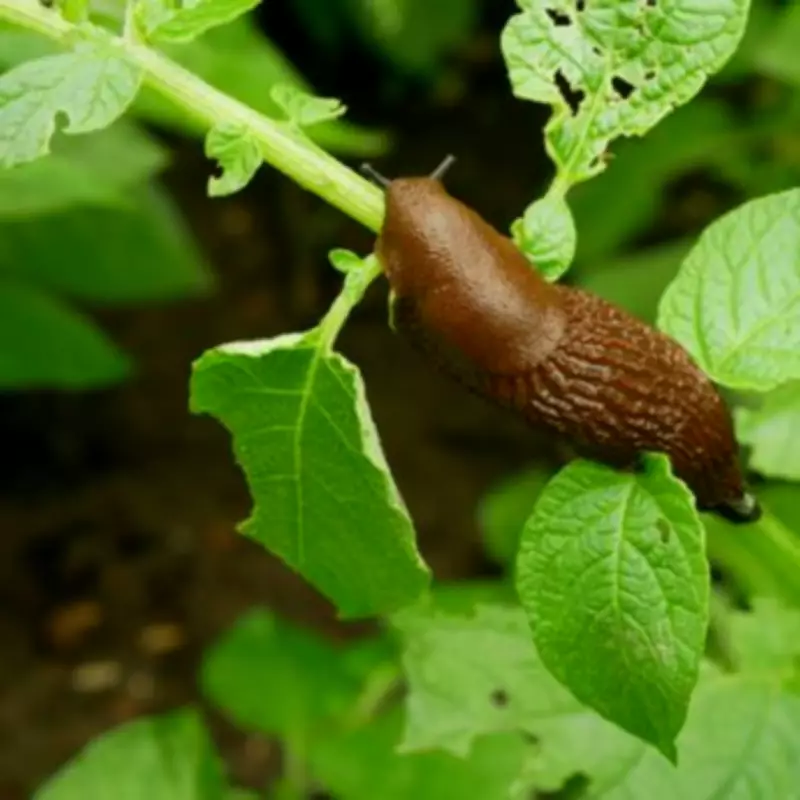
Renowned gardening expert Alan Titchmarsh has unveiled a straightforward and budget-friendly technique to safeguard garden plants from the relentless onslaught of slugs and snails. His method, which involves the strategic use of copper collars, offers a practical solution for gardeners seeking to protect their blooms without resorting to expensive or harmful chemicals.
The Copper Collar Solution
Alan Titchmarsh, the beloved 76-year-old gardener, shared his insights on the Gardener's World podcast, emphasizing the effectiveness of copper collars in deterring these common pests. He described how placing these collars around emerging hosta shoots, as they begin to push through the soil, creates a barrier that slugs and snails are reluctant to cross.
The theory behind this method suggests that the pests experience an electric shock when sliding across the copper, though Titchmarsh humorously noted he has never been able to verify this with the slugs themselves. Regardless, the deterrent effect is clear, making it a critical tool during the vulnerable early growth stages of plants.

Why Timing Matters
Timing is crucial when implementing this trick. Grey field slugs, the most widespread and troublesome species, are most active during April and May, as well as September and October. With 2026 experiencing particularly wet weather, these periods have become prime time for slug infestations, making preventive measures like copper collars even more essential.
Titchmarsh explained that if a slug takes a bite from a young hosta shoot, which emerges pointed like a pyramid, the damage can multiply as the leaf unfurls. "It's like slug origami," he said, "where one bite was, you've got 10 holes." This visual analogy underscores the importance of early intervention to preserve the plant's aesthetic and health.
Alternative Strategies and Plant Choices
While copper collars are Titchmarsh's preferred method, he acknowledges that many gardeners have their own tried-and-true techniques. These include using sharp sand, grit, or crushed eggshells around plants, and even experimenting with sheep's wool as a natural deterrent.
For those particularly fond of hostas but struggling with slug damage, Titchmarsh suggests growing them in pots elevated on pot feet to create a gap underneath, further hindering pest access. However, he also highlights a simpler approach: selecting plants that are naturally resistant to slugs and snails.
Slug-Resistant Plants
Titchmarsh points out that plants with hairy or downy leaves, such as Stachys byzantina (Lamb's Ear), are rarely attacked because the pests dislike the texture. Similarly, most hardy geraniums remain untouched, offering gardeners a wide range of options to diversify their gardens without constant pest battles.
He encourages gardeners to observe their own spaces to identify which plants are left alone by slugs, allowing for strategic planting to minimize damage. This proactive selection can reduce the need for interventions like copper collars, though they remain a valuable tool for protecting vulnerable species like hostas.
Practical Implications for Gardeners
Alan Titchmarsh's advice comes at a time when many are seeking sustainable and affordable gardening solutions. His emphasis on non-toxic methods aligns with growing environmental awareness, making copper collars an attractive option for eco-conscious individuals.
By combining this trick with smart plant choices and alternative deterrents, gardeners can create a more resilient outdoor space. Whether dealing with a few prized hostas or an entire border, Titchmarsh's insights provide a comprehensive strategy to keep slugs at bay and ensure healthy, vibrant plants throughout the growing season.