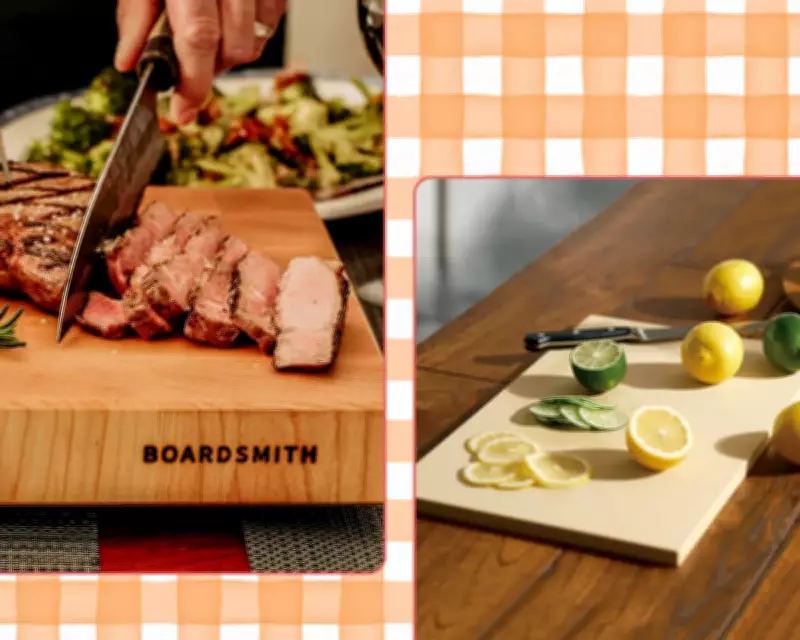
In an era where environmental consciousness is paramount, many households are seeking alternatives to plastic products, and cutting boards are no exception. Plastic-free cutting boards have surged in popularity, offering not only eco-friendly benefits but also enhanced durability and aesthetic appeal for modern kitchens.
Why Choose Plastic-Free Cutting Boards?
Traditional plastic cutting boards, while affordable, often contribute to microplastic pollution and can harbor bacteria in deep grooves over time. In contrast, plastic-free options, such as those made from bamboo, wood, or composite materials, provide a sustainable solution. These materials are biodegradable, reducing landfill waste, and they often feature natural antimicrobial properties that help maintain kitchen hygiene.
Top Materials for Eco-Friendly Cutting Boards
Several materials stand out in the plastic-free cutting board market. Bamboo is a favorite due to its rapid renewability and hardness, which resists knife marks better than some softwoods. Wooden boards, like those from maple or walnut, offer classic durability and can last for years with proper care. Additionally, innovative composites made from recycled materials or plant-based resins are emerging, combining sustainability with modern design.

Benefits Beyond Sustainability
Beyond their environmental advantages, plastic-free cutting boards enhance kitchen functionality. They are gentler on knife blades, reducing wear and tear compared to harder plastic surfaces. Many users also appreciate the natural look and feel, which can elevate the aesthetic of any cooking space. Regular maintenance, such as oiling wooden boards, ensures longevity and prevents cracking, making them a worthwhile investment for eco-conscious consumers.
How to Select the Right Board
When choosing a plastic-free cutting board, consider factors like material, size, and maintenance requirements. Bamboo boards are ideal for those seeking a lightweight and affordable option, while hardwood boards suit users prioritizing durability and tradition. It's also important to check for certifications, such as FSC (Forest Stewardship Council) for wood, to ensure ethical sourcing. Ultimately, selecting a board that fits your cooking habits and sustainability goals can transform your kitchen into a greener environment.
As more people embrace sustainable living, plastic-free cutting boards represent a simple yet impactful step toward reducing plastic waste. By opting for these eco-friendly alternatives, consumers not only protect the planet but also enjoy practical benefits in their daily culinary routines.