A bin collector has definitively resolved the ongoing confusion about the correct disposal method for used cooking oil, offering clear guidance that contradicts common assumptions. For households across the UK, managing kitchen waste efficiently is crucial, and used cooking oil presents a particular challenge due to its potential to cause blockages and environmental harm if handled incorrectly.
The Common Misconceptions About Oil Disposal
Many people believe that pouring used cooking oil down the drain is acceptable, but this practice can lead to serious plumbing problems as the oil solidifies and clogs pipes. Similarly, others assume that the food waste bin is the appropriate place for it, given its organic origin. However, according to a professional binman who shares advice on social media, both of these methods are incorrect and could result in costly repairs or contamination.
Expert Advice from a 'Binfluencer'
The No1 Binman on TikTok, who describes himself as a 'binfluencer', regularly posts informative videos to help British families understand waste disposal rules. In a recent clip, he addressed the frequent queries about used cooking oil, emphasizing that it should not be placed in food waste or recycling bins. Instead, he recommends using the general waste bin as the safest option for typical household amounts.

Key Instructions for Safe Disposal:
- Do not pour oil down the drain to avoid blockages.
- Avoid placing it in food waste or recycling bins.
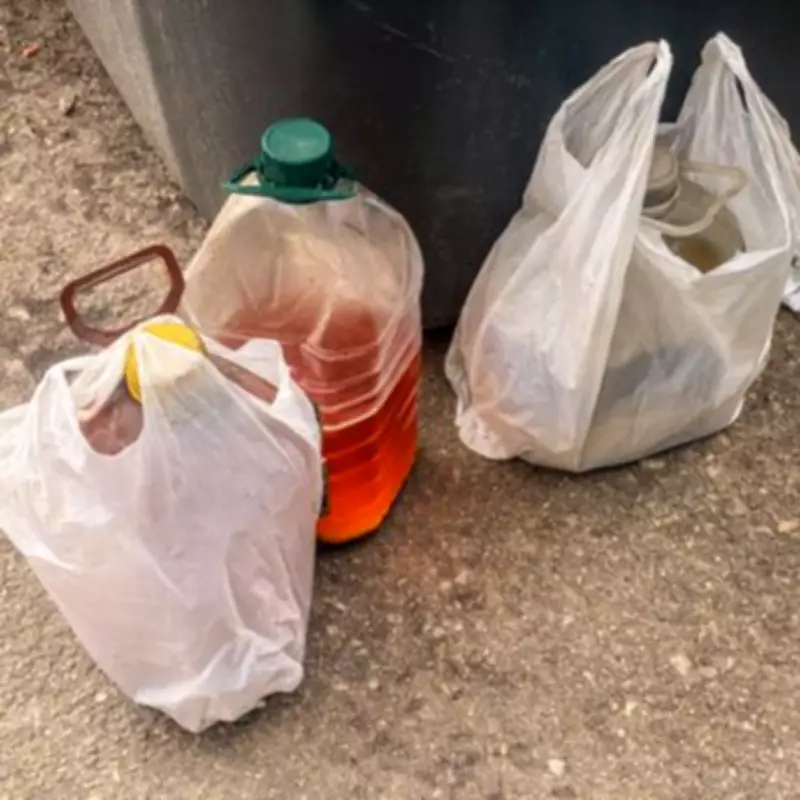
- For general waste, contain the oil in a non-recyclable container with a secure lid, such as a milk carton or glass jar, to prevent leaks if the bin liner splits.
- For large quantities, like commercial volumes, contact the local council or a specialist collection service instead of using household bins.
Creative Recycling Alternatives
Beyond disposal, there are innovative ways to repurpose leftover cooking oil, as suggested by Zero Waste Scotland. These methods not only reduce waste but also provide practical benefits for homes and gardens.
Eco-Friendly Ideas:
- Use the oil as a wood treatment for garden sheds or fences, as it is safe for plants and animals and does not stain surfaces.
- Transform cooking fat from meats like chicken or bacon into bird feeders by mixing it with seeds and nuts, allowing it to solidify, and hanging it outdoors for wildlife.
By following these expert tips, households can ensure proper waste management, protect their plumbing, and contribute to environmental sustainability through mindful disposal and creative reuse.