Edinburgh Flat Becomes Unlikely Battleground in Scotland's Net Zero Tourism Clash
Nestled quietly on the outskirts of Edinburgh, a short distance from the city's bustling airport, sits an unremarkable flat indistinguishable from countless others across Scotland. However, this ordinary property has been thrust into an extraordinary and what critics are calling an "absurd" political controversy, caught in the crosshairs of the Scottish National Party's ambitious Net Zero agenda.
Climate Concerns Block Tourist Accommodation Plans
The Scottish Government has formally refused permission to convert the two-bedroom flat in the Cammo area into accommodation for overseas visitors, citing fears that doing so would contribute to climate change. Planning officials have articulated concerns that making apartments available for tourist hire might encourage visitors to travel long distances to Scotland. Furthermore, they have suggested that the additional laundry requirements for washing bedsheets, combined with increased cleaning activities, could also add to the nation's overall carbon footprint.
This controversial decision is firmly rooted in planning rules introduced by SNP ministers in 2023, which explicitly state: 'When considering all development proposals, significant weight will be given to the global climate and nature crises.' The ruling represents a potentially significant precedent that could have far-reaching consequences for Scotland's vital tourism sector.

Legal Experts Warn of Bureaucratic Overreach
Ross Armstrong, a lawyer with planning consultancy STL Solutions, has expressed serious concerns about the implications of this decision. He fears that property owners across Scotland may soon be forced to undertake extensive environmental impact assessments, potentially requiring them to document where guests originate from, what temperature linen is washed at, and even what type of fuel a cleaner's vehicle uses.
'There are 31,000 jobs in Edinburgh supported by tourism,' Armstrong emphasized. 'If tourists cannot secure accommodation because prices have skyrocketed due to additional regulatory burdens, they will simply go elsewhere. Tourism has not been environmentally friendly for fifty years when it involves people boarding jet aircraft. I am uncertain what the government ultimately wants, as VisitScotland actively promotes Scottish tourism while the planning system appears extremely reluctant to allow businesses to operate.'
Armstrong warned that this approach could become 'trial by bureaucracy' for property owners, with those in rural areas facing particular challenges in justifying environmental impacts.
Property Owner Faces Financial Uncertainty
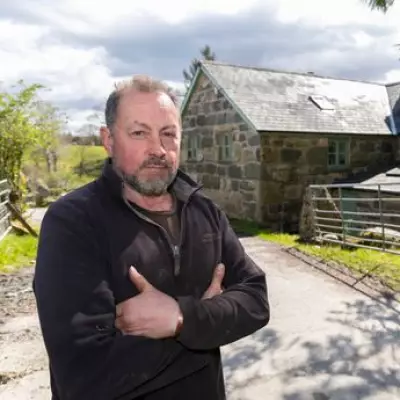
The £200,000 two-bedroom flat at the centre of this dispute is located in a three-storey block in Edinburgh's western suburbs. Owner Stuart Gilgannon, a 43-year-old lawyer now based in the United States, purchased the apartment as a pied-à-terre for annual family visits with his wife and two teenage sons. To help cover mortgage costs, he obtained a licence to rent the property to holidaymakers and business travellers.
However, Edinburgh's subsequent declaration of a housing emergency forced Gilgannon to apply for retrospective planning permission to continue accommodating guests. The city council rejected his application, seeking to preserve private housing stock for residential use. When Gilgannon appealed to the Scottish Government, its planning and appeals division not only upheld the council's decision but expanded the reasoning, asserting that every additional unit of tourist accommodation might have planetary implications.
The government's ruling from last month states: 'The proposed use would attract visitors to the property from elsewhere, some of whom may have travelled a considerable distance. The implications of laundry and cleaning activities would also need to be taken into account. To make any realistic comparison between the likely contribution of the proposed use to the climate and nature crises and that of the property's lawful use as a permanent home, far more information would be required than the applicant has provided.'

Gilgannon expressed his frustration, stating: 'It is difficult to imagine any viable way around these requirements. If this represents the end of the road, I may have no choice but to potentially sell the property.'
Tourism Industry Raises Alarm Bells
Tourism represents a £14 billion annual contribution to the Scottish economy, with Edinburgh's Festival and Fringe alone generating approximately £1 billion. Despite this economic significance, performers and visitors have consistently complained about the scarcity of affordable accommodation within the city.
The SNP has committed Scotland to achieving Net Zero emissions by 2045, five years ahead of the broader United Kingdom target. Fiona Campbell, chief executive of the Association of Scotland's Self-Caterers, commented: 'Nobody disputes that climate change must be taken seriously, but suggesting that the occasional letting of a small flat requires detailed analysis of travel or laundry emissions pushes planning policy into the realm of the absurd.'
Edinburgh City Council declined to comment specifically on the appeal. A Scottish Government spokesman responded: 'Any environmental effects from short-term letting were not a significant factor in this appeal decision. This decision does not imply any reduction in our support for the tourism sector.'
This case highlights the growing tension between environmental ambitions and economic realities, raising fundamental questions about how Scotland balances its climate commitments with supporting crucial industries that sustain thousands of jobs and contribute billions to the national economy.