England's Recycling Revolution: New Rules to Standardise Collections and Boost Rates
England's New Recycling Rules: Standardising Collections Nationwide

England's Recycling Overhaul: New Rules Take Effect to Standardise Collections

Recycling regulations across England have long suffered from inconsistency, but a significant shift begins on Tuesday as the government's Simpler Recycling legislation comes into force. This nationwide reform aims to standardise collections and expand food waste recycling to address stagnating recycling rates, which have hovered around 44% for years, trailing behind Wales at 57% and Northern Ireland at approximately 50%. The government has set an ambitious target to achieve a municipal recycling rate of 65% by 2035.

What Are the New Recycling Requirements?

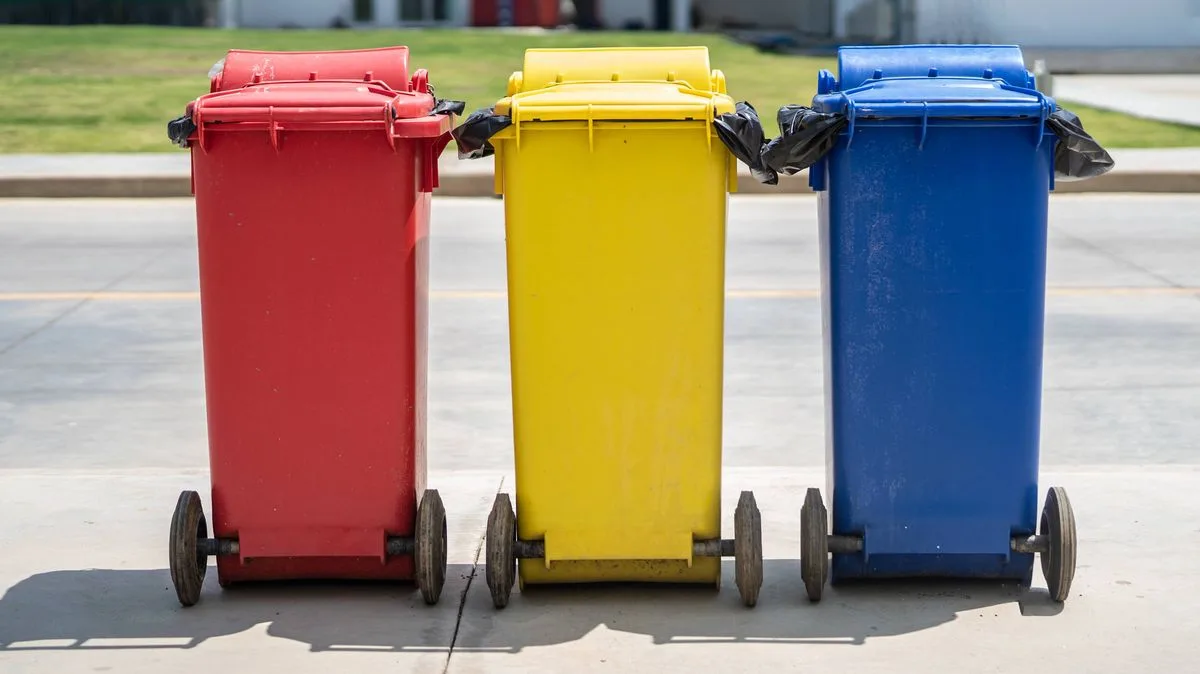
Under the simpler recycling requirements for household waste collections, effective from 31 March, councils in England must provide separate collections for several categories. These include food and garden waste, paper and card, all other dry recyclable materials such as glass, metal, plastic, and cartons, as well as non-recyclable waste. The policy applies universally to all households, including flats and communal properties, designed to increase recycling rates and eliminate the postcode lottery by streamlining collections.

Mary Creagh, an environment minister, highlighted that councils have received a significant budget uplift this year to support the successful implementation of this policy.

Wide Pickt banner — collaborative shopping lists app for Telegram, phone mockup with grocery list

The Journey of Recycled Materials

Once collected, recycling is transported to materials recovery facilities, where it undergoes sorting using magnets, optical scanners, and air jets to separate paper, plastics, glass, and metals. The sorted materials are then baled and sent to reprocessors to be transformed into new products.

However, a critical issue persists: roughly half of the recycled plastic collected in the UK is exported overseas, primarily to Turkey, the Netherlands, and Malaysia. Exports of plastic waste to developing countries saw a sharp increase last year. Industry experts argue that this export trend undermines the growth of the domestic plastic recycling sector, which has the potential to generate £2 billion and support about 5,000 jobs.

According to industry data, 21 plastic recycling and processing facilities across the UK have closed over the past two years, citing challenges such as the scale of exports, low virgin plastic prices, and competition from cheaper imports from Asia. While the European Union has agreed to ban exports to developing countries, the UK has yet to adopt a similar policy, despite commitments from successive governments.

Additionally, between 3.4 million and 4.3 million tonnes of paper and cardboard waste are exported annually for recycling.

Focus on Food Waste Recycling

One of the most significant changes under the new rules is the mandatory collection of food waste from households on a weekly basis, free of charge. Each household should be provided with two bins: a small kitchen caddy and a larger outdoor bin for collection.

When recycled separately, food waste can be processed through anaerobic digestion to generate renewable energy and produce biofertiliser for farming. This policy aims to reduce the amount of food waste disposed of in general rubbish, where it would otherwise decompose in landfill sites and release greenhouse gases, particularly methane, which is more than 80 times more potent than carbon dioxide.

The rollout of universal food waste collections is also expected to raise household awareness about the volume of waste they produce.

Why Have Recycling Rules Varied Until Now?

Fragmented local policies, varying infrastructure, housing types, and socioeconomic factors have contributed to the disparities in recycling rates across England. Local authorities have operated differing regimes—some collect waste weekly, others fortnightly; some require materials to be separated, while others use mixed recycling. Not all councils collect the same items, and areas that have not collected food waste or certain plastic items have typically recorded lower recycling rates.

Pickt after-article banner — collaborative shopping lists app with family illustration

Implementation and Transitional Periods

Not all councils will implement the changes immediately. There is a transitional period for councils to adapt, with the government noting that 31 councils have bespoke arrangements allowing them to delay food waste collection beyond Tuesday. However, all councils must still meet the 31 March deadline to standardise dry recycling collections, covering glass, metal, plastic, paper, and card.

Consequences of Incorrect Disposal

If biodegradable or compostable plastics are mixed with recyclable plastics, they can corrupt the entire batch, as these more sustainable plastics are made from different materials and should not be placed in regular plastic recycling. Similarly, if recyclable items like paper and cardboard are put into residual waste, they are likely to be sent to landfill or incineration rather than recycled, resulting in higher greenhouse gas emissions, particularly methane.

Regarding specific items, toothpaste tubes have historically been difficult to recycle due to their multi-material construction. However, an initiative coordinated by Wrap, the global waste NGO, means most toothpaste tubes are now designed to be 100% recyclable. Residents are advised to check with their local council for acceptance; if not, Boots also collects toothpaste tubes for recycling.