Experts Warn of 'Dangerous' April Patio Hazard and Share Simple Kitchen Fixes
April showers may bring May flowers, but they also introduce a treacherous risk to garden patios across Britain. Home safety specialists are issuing urgent warnings about the hazardous consequences of springtime rainfall, which can prove more dangerous than winter black ice if left unchecked.
The Slippery Threat of Spring Rainfall
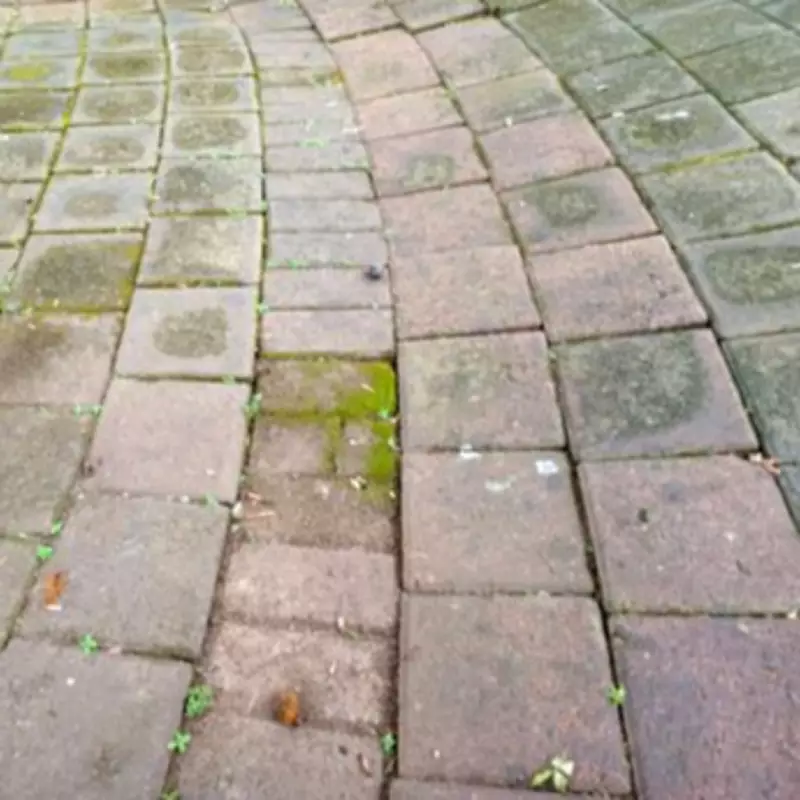
April downpours create ideal conditions for algae and moss to flourish on outdoor surfaces, transforming patios into perilously slippery zones before homeowners even notice the change. Neil McKenzie, a home safety expert at Halton Stairlifts, explains the mechanism behind this hidden danger.
"Algae creates a surface that becomes extremely slippery when wet," McKenzie emphasizes. "People step out onto their patio on a damp April morning thinking it's safe, and that's often when accidents happen."

The risk extends beyond minor slips. Wet and contaminated surfaces rank among the primary causes of serious slip and trip incidents throughout the country. Surface contamination from leaves, dirt, and other outdoor debris directly contributes to dangerous falls that can result in significant injuries.
Heightened Risks for Vulnerable Individuals
For elderly individuals or those living with older relatives, the patio hazard becomes considerably more severe. McKenzie notes that age compounds the problem through multiple factors:
- Deteriorating vision reduces ability to spot slippery surfaces
- Altered mobility affects balance and recovery from slips
- Increased frailty raises the likelihood of serious injury from falls
"Once you can spot the green coating on your patio, it's already too late," McKenzie cautions. "The surface has been compromised for weeks beforehand, creating an ongoing hazard."
Proactive Prevention with Common Kitchen Ingredients
Instead of waiting for visible algae growth, McKenzie recommends regular patio treatment every few months—a process that costs almost nothing and takes under thirty minutes. He reveals three virtually free methods to enhance outdoor safety this spring, all using common household items.
White Vinegar Solution: Applying white wine vinegar directly to algae growth proves remarkably effective at removal. After allowing it to sit, scrubbing with a stiff brush restores surface grip. Most households already keep this versatile ingredient in their kitchens.
Baking Soda Paste: Mixed with water into a spreadable paste, baking soda breaks down the algae layer and lifts it from the surface when scrubbed away. Like vinegar, it requires no specialist equipment and delivers excellent results.
Anti-Slip Tape Application: For additional protection, applying anti-slip tape to dry surfaces creates a textured finish that remains slip-resistant even during torrential rain. This simple enhancement provides ongoing safety throughout the wet spring months.
McKenzie stresses that neither vinegar nor baking soda solutions demand specialized knowledge or expensive equipment. "Treating your patio regularly represents a minimal investment of time and resources that can prevent serious accidents," he concludes. "These kitchen staples offer effective, accessible protection against a hazard that too many homeowners overlook until it's too late."