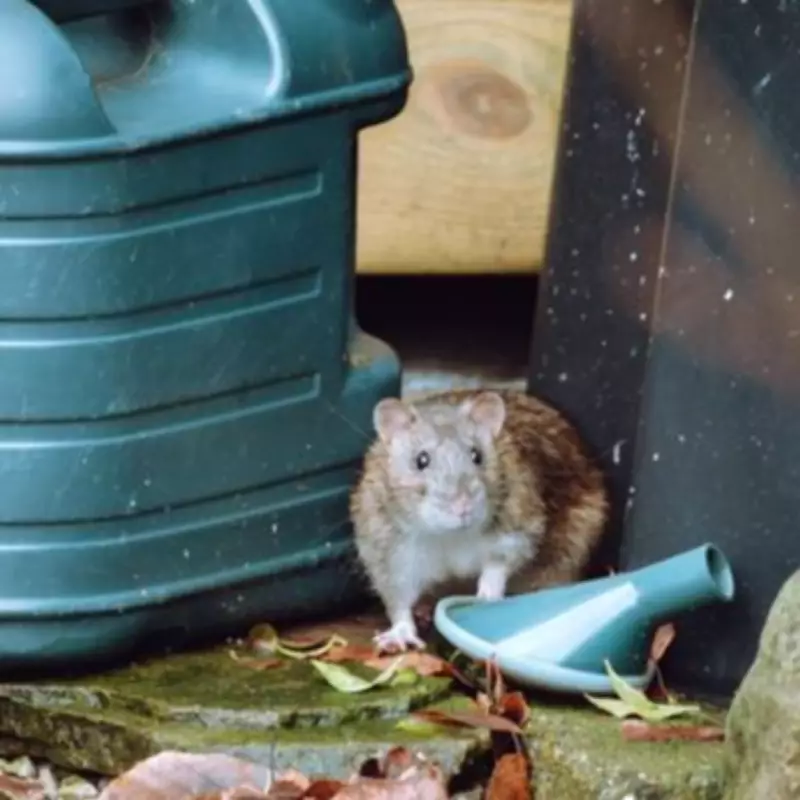
Critical Warning for Homeowners Facing Garden Rat Infestations
As spring arrives across the United Kingdom, numerous homeowners are encountering an alarming sight: rats invading their gardens. These unwelcome vermin not only cause distress but pose significant health risks through disease transmission. When one or more rats establish presence in outdoor spaces, immediate action becomes essential for elimination.
The Problem with Conventional Poison Solutions
Many residents initially turn to natural deterrents like peppermint oil, clove oil, cayenne pepper, or vinegar—fragrances that rats strongly dislike. However, these methods prove temporary, as rainfall and damp conditions quickly wash away the scents, allowing pests to return.
When rats appear regularly in specific locations, homeowners often escalate to poisoned bait to prevent nesting in lofts, cavity walls, or decking. While effective against serious infestations, these poisons come in two dangerous categories: first-generation anticoagulant rodenticides (FGARs) and second-generation anticoagulant rodenticides (SGARs).

Environmental Consequences of Rodenticides
Second-generation anticoagulants present particularly severe risks. These potent chemicals create a deadly chain reaction, potentially killing natural rodent predators including foxes, birds of prey, crows, and gulls that consume poisoned rats. Recent reports confirm rodenticide residues in the livers of deceased raptors and foxes, contributing to population declines among these vital species that naturally control rat numbers.
Furthermore, SGARs prove fatal to domestic pets like cats and dogs that might catch rats. First-generation alternatives containing warfarin, chlorophacinone, or diphacinone offer reduced toxicity to non-target animals but require multiple days to eliminate rodents.
Expert Recommendations from Conservation Authorities
The Barn Owl Trust emphasizes that all poisons should represent a last resort, reserved only when non-toxic methods fail and rodent problems endanger human health. Their comprehensive guidance outlines multiple approaches for addressing rat populations responsibly.
Nine Practical Methods for Rat Control
- Remove Food Sources: Eliminate whatever rats are eating or prevent their access. Modify bird feeder designs, positions, and schedules to reduce availability while exposing rodents to natural predation.
- Eliminate Hideaways: Remove materials providing shelter and seal gaps with concrete, stones, wire netting, or metal barriers.
- Attract Natural Predators: Install Barn Owl or Tawny Owl nestboxes positioned high but near problem areas. Maintain tolerance toward foxes, which actively hunt rats.
- Enlist Domestic Predators: Utilize cats or Jack Russell terriers—breeds demonstrating particular enthusiasm for ratting activities.
- Live Traps: Employ trip-traps or cage-traps available commercially, releasing captured rodents several kilometers from the property.
- Instant-Kill Traps: Use snap-traps baited with hard food secured by thin wire. DOC traps and Perdix traps within wooden tunnels offer humane options requiring daily monitoring.
- Electrocution Devices: Battery-powered units like Rat Zapper provide effective elimination. Larger systems such as WiseBox deliver humane, safe operation when checked daily.
- Shooting: Pre-charged pneumatic air rifles with infrared or thermal gunsights prove effective during nighttime operations, though time-consuming.
- Cholecalciferol: This biocide poison causes fatal vitamin D3 overdose through bait blocks. While minimizing secondary poisoning risks to birds of prey, it remains highly dangerous to household pets, particularly dogs.
Implementing these strategies requires careful consideration of local wildlife, pet safety, and environmental impact. By prioritizing non-toxic approaches and reserving poisons for extreme situations, homeowners can address rat problems while protecting broader ecosystems.