Gardeners Urged to Ditch Plastic to Combat Soil Microplastic Pollution
As the seed-starting and planting season gets underway, Associated Press gardening columnist Jessica Damiano is calling on gardeners to actively reduce their plastic usage in outdoor spaces. This timely advice aims to address the growing concern over microplastic contamination in soil, which can ultimately affect food safety and environmental health.
The Hidden Threat in Your Garden
While soil naturally contains millions of beneficial microorganisms such as bacteria and fungi, it can also harbour harmful microplastics. These tiny particles originate from plastic products that gradually break down over time, leaching into the earth and potentially contaminating our food supply. Common household items like food-storage containers, kitchen utensils, detergent bottles, and even certain types of clothing are significant sources of these pollutants.
Microplastics have been detected in a wide range of environments, from drinking water and various food items to human bodies themselves. This pervasive issue underscores the importance of considering what materials we introduce into our gardens.

Practical Alternatives to Plastic Gardening Gear
Damiano emphasizes that while we may not be able to reverse existing damage, gardeners can take meaningful steps to minimize their contribution to plastic pollution. First and foremost, avoid adding to the problem by seeking out non-plastic alternatives that are both environmentally friendly and often more economical in the long run.
Instead of purchasing conventional plastic seed-starting trays, consider investing in a soil-blocking kit. These kits use metal molds to compress a moist mixture of compost, peat moss, perlite, and nutrients into solid, self-supporting cubes. This method offers the added benefit of air-pruning plant roots, which encourages denser root growth rather than the circling and strangling that often occurs in traditional pots. Plants grown in these blocks typically establish themselves more easily when transplanted to garden beds.
For those less inclined toward DIY projects, biodegradable options made from coir or composted manure provide excellent alternatives. These materials are odor-free, resemble cardboard in appearance, and break down naturally without leaving plastic residues.
Choosing Natural Materials for Larger Plants
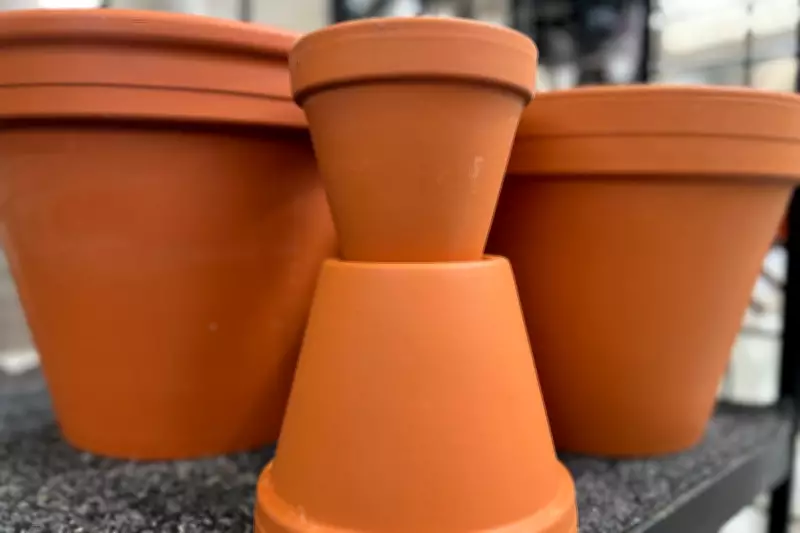
When selecting containers for more mature plants, opt for natural materials such as wood or terracotta. Fabric grow bags, available in various sizes, are particularly effective for root vegetables, herbs, and tomatoes. Some specialized versions for potatoes even feature convenient roll-up "doors" to simplify harvesting. Always check labels to ensure these bags are made from natural fibers rather than synthetic alternatives.
Whenever possible, purchase bare-root plants instead of those sold in plastic pots. This simple choice eliminates unnecessary plastic packaging and supports healthier plant establishment.
Composting and Natural Weed Control
Starting your own compost pile reduces the need for purchased soil and fertilizers while eliminating plastic bag waste. This approach allows gardeners to know exactly what amendments are being added to their soil. If home composting isn't feasible, buying compost in bulk is both cheaper and more environmentally responsible than bagged versions.
For weed control, choose canvas tarps over plastic alternatives and avoid using landscape fabric beneath beds or borders. Instead, employ natural materials like shredded bark, wood chips, or dry leaves to suppress weed growth. In fire-prone areas, gravel serves as a safer alternative for this purpose.
Support Systems and Plant Identification
Use bamboo, wood, or metal stakes to support tomatoes and vining plants, securing them with natural twine such as hemp or jute. For plant markers, wooden popsicle sticks offer a simple, biodegradable solution that avoids plastic waste.

When plastic purchases are unavoidable, prioritize durable, reusable items over single-use products like flimsy seed trays. Choosing sturdy options that will last for multiple seasons represents a positive step toward reducing overall plastic consumption. As Damiano notes, numerous small changes collectively create significant environmental impact.
Jessica Damiano writes regular gardening columns for The Associated Press and publishes the award-winning Weekly Dirt Newsletter, offering weekly gardening tips and advice to enthusiasts worldwide.