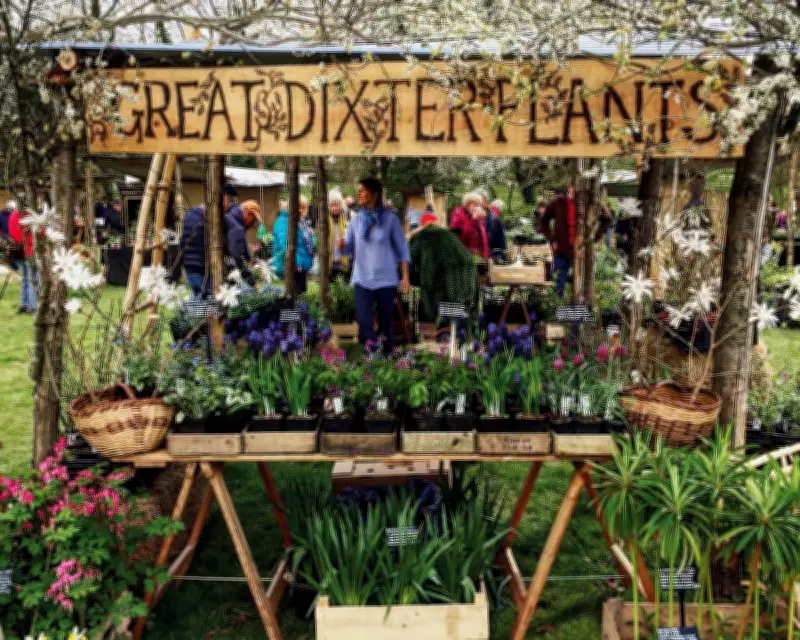
The Great Dixter spring plant fair in East Sussex is a highly anticipated event for gardening enthusiasts, offering a unique blend of exciting plant specimens and invaluable expert knowledge. Unlike typical garden centres filled with plastic tat and tenuous gardening connections, this fair focuses on quality and authenticity, making it a must-visit for those who take their horticulture seriously.
Why Plant Fairs Are a Gardener's Paradise
Gardeners are often seen as thrifty individuals, preferring practical tools like car boot sale spades and divided perennials over flashy, unnecessary items. This mindset explains why many disdain the commercialised products found in mainstream garden centres. As one old-school garden writer famously stated, placing annuals in a window box is merely shopping, not true gardening. However, events like the Great Dixter plant fair break this mould by providing a commercially minded yet deeply enriching experience.
The Great Dixter Experience
Held at the flamboyant and experimental East Sussex garden initially created by Christopher Lloyd in the 1950s and now expertly maintained by Fergus Garrett, the Great Dixter spring plant fair is modestly described as a "small plant fair." Despite this, it attracts plant-nerdy designers and gardeners who eagerly mark it in their diaries. The fair showcases offerings from specialist nurseries, and this year, it even includes a soil testing service under a microscope, adding an educational twist to the shopping experience.

Navigating the Plant Fair
For those attending, shopping at a plant fair can be as overwhelming as it is exciting, akin to exploring an antiques fair or a foreign supermarket. To make the most of it, gardeners should follow a few key strategies:
- Make a List: Identify specific areas in your garden that need new planting, such as dry shady patches, boggy corners, or sun-kissed terraces.
- Note Space and Companions: Measure the space to fill and observe existing plants, as stall holders will likely ask these details to provide tailored advice.
- Consider Colour Schemes: Use favourite plants as a guide to maintain a cohesive look, and always buy in odd-numbered multiples like threes or fives for rhythm in garden beds.
- Embrace Flexibility: Be prepared to break rules for truly remarkable finds, as this spontaneity is part of the joy of plant fairs.
While the author won't attend this year due to a garden renovation, they plan to return next year, highlighting the fair's enduring appeal. Additionally, many of the same nurseries will feature at the Garden Museum's spring plant fair in London the following weekend, where advance tickets sell out quickly, but door queues offer a chance for last-minute visitors.