Daily Mail journalists carefully select and curate the products featured on their site. Commissions may be earned from purchases made via links on the page, with further details available for those interested in learning more.
Mary Berry's Gardening Evolution
Mary Berry first discovered her profound love for the outdoors after moving into her initial home in Hillgate Village, located in West London. A modest backyard there provided an unexpected introduction to gardening, sparking a lifelong passion. 'At that time, I had absolutely no confidence in my gardening abilities. I would attempt to grow flowers and plants, mostly without success, but I was always observing and reading extensively,' she recalls.
Learning from Friends and Family
During weekends, Berry frequently stayed with her close friend Penny Block at her family residence in Hertfordshire. 'Penny was a competent gardener, but her mother was truly exceptional,' Berry remembers. 'She educated me about what she cultivated, how to properly prune and trim flowers, and she would send me home with plants to experiment with myself.'

Over the years, Berry independently taught herself the critical importance of soil and its profound impact on what can be successfully grown. As her knowledge expanded significantly, so did her skill level, and her gardens increased in both size and importance – progressing from the Red House and then Watercroft, both situated in Buckinghamshire, to Henley, where she currently resides with her husband, Paul. What originated as a simple hobby transformed into a deep passion firmly rooted in extensive knowledge.
The Henley Garden Sanctuary
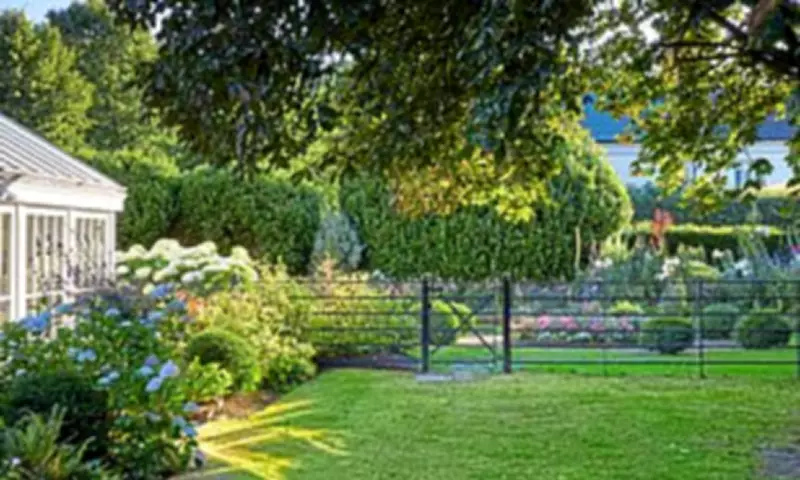
Her Henley garden, measuring just under an acre, is thoughtfully planted with raspberries, strawberries, apples, and Conference pears, alongside raised vegetable beds and a plentiful abundance of flowers. A croquet lawn, greenhouse, pond, and tennis court complete the space, all discreetly screened by strategic hedging.
'Gardening has become a genuine love of mine,' she states. 'Hardly a day passes without me being outside, inspecting what needs attention and simply enjoying the tranquil space.' Here, she generously shares her top gardening tips for enthusiasts.
Essential Gardening Tips from Mary Berry
Sort Your Soil Properly
The pH level of the soil in your garden is crucial to understand, as it directly determines what types of plants and flowers you can cultivate successfully. Berry often reads articles about plants like Eucryphia, which is beautiful but requires acidic soil, making it unsuitable for her garden. Some fortunate individuals have both acid and alkaline soils in different sections of their garden.
To accurately determine your soil type, get it professionally tested. The Royal Horticultural Society offers members a soil-analysis service where you can pay to have your soil examined. Berry believes this method is far superior to basic kits, though these are also available for convenience. You can enhance your soil by digging in organic matter such as well-rotted manure, which should be dark and crumbly, or by adding homemade compost.
Deadhead Regularly for More Blooms
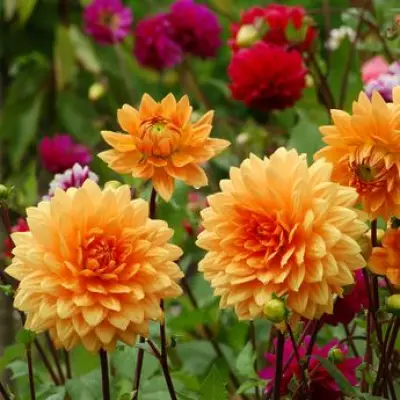
Berry loves deadheading because it actively encourages more flowers to grow. This technique works with most plants, and roses, in particular, respond very positively to it. For plants that self-seed prolifically, deadheading prevents new plants from appearing uncontrollably. Consider this if you desire some self-sown plants or prefer to leave seeds for birds.
Some seeds, like the small, dark ones from honesty plants or poppies, can look attractive during the off-season. From roses and pansies to virtually any border plant you wish to flower longer, deadheading proves beneficial. Always use clean, sharp secateurs and cut the flowerhead above the next flower bud, leaf, or side shoot.
Don't Ignore Weeds
Berry strongly advises against letting weeds, especially perennial varieties, run wild. When she first moved to her current home in 2019, she covered the borders with thick, black polythene for two years to eradicate perennial weeds like bindweed and ground elder. Although it required patience, the results were worthwhile.

In her previous garden at Watercroft in Buckinghamshire, weeds began emerging through the alstroemeria. After flowering, she lifted them from the picking bed, spread the roots on a garden table, removed all the white bindweed roots, and replanted them. This labor-intensive process ultimately succeeded.
Plant Properly for Strong Growth
When planting, Berry always digs a hole larger than necessary and often adds a bit of fish blood and bone with the soil. This provides a natural, slow-releasing nutrient boost that strengthens root systems effectively. She then pours in water to create a puddle, allows it to drain, positions the plant, fills the hole with soil, and stamps around it to secure it firmly.
After giving it ample water to settle the roots, she leaves the plant to establish itself. If leaves become limp after about three to four weeks, she provides additional water to support growth.
This article is an edited extract from My Gardening Life by Mary Berry, published by DK at £25, released on 26 February. Pre-order copies are available at a discounted price until 1 March, with free UK delivery on orders over £25.