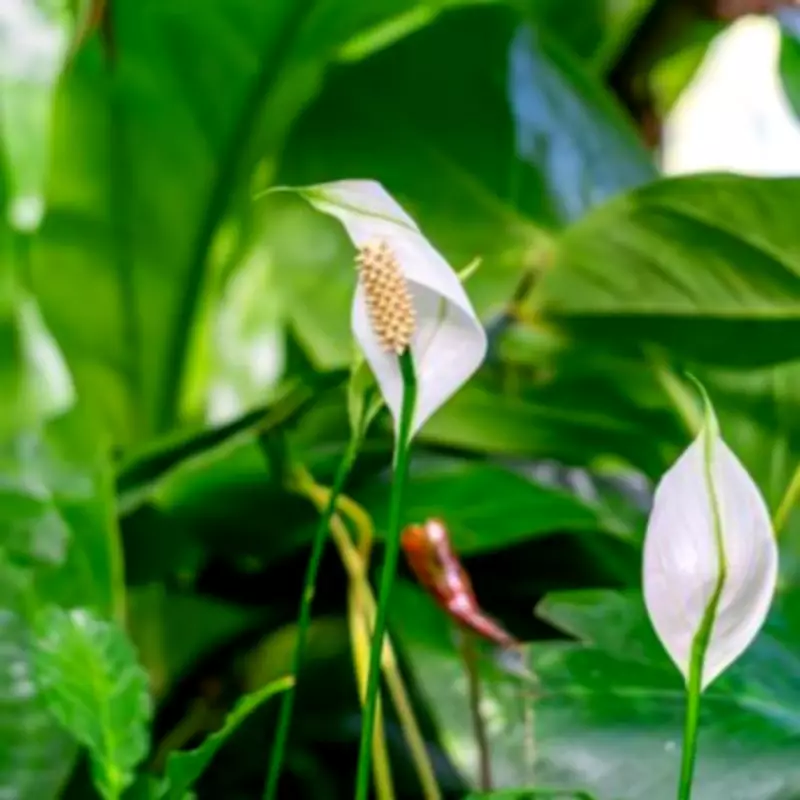
If your peace lily has remained stubbornly green for months or even years without producing its characteristic elegant white flowers, you're certainly not alone in your frustration. Many gardeners find themselves perplexed when their lush, leafy plant refuses to bloom, especially after seeing stunning examples flourishing in garden centres and shops.
The Fundamental Misunderstanding About Peace Lily Care
According to gardening specialists, the solution to this common problem is often surprisingly straightforward. While peace lilies have developed a reputation as "low-light tolerant houseplants," this classification has led to widespread misunderstanding about their actual flowering requirements.
The experts at Gardening Soul emphasise that "light is the number one reason peace lilies fail to bloom." They clarify that while these plants can survive in low-light conditions, they will not thrive or produce flowers in such environments. This crucial distinction explains why so many indoor gardeners struggle with non-blooming peace lilies despite providing what they believe to be adequate care.

Why Light Quality Matters More Than Tolerance
When peace lilies are placed in areas with insufficient light, their leaves may continue to survive, but both growth and flower production will effectively "stop." The plant enters a maintenance mode rather than a flourishing state. For those seeking the beautiful white spathes that make peace lilies so desirable, understanding light requirements becomes paramount.
The gardening gurus explain that "light is the single most important factor in peace lily flowering – and also the most misunderstood." They note that peace lilies are frequently mislabelled as 'low-light plants,' creating unrealistic expectations about their blooming capabilities in dim conditions.
The Ideal Lighting Setup for Continuous Blooms
For "continuous blooms" throughout the year, peace lilies require bright, indirect light rather than the low light conditions they merely tolerate. The "ideal setup" involves positioning these plants "near an east-facing window" where they can receive gentle morning sunlight without the intensity of midday rays.
If your home only has south-facing windows, you can still create suitable conditions by placing the plant a few feet back from the glass and considering the installation of sheer curtains to diffuse the stronger light. Fundamentally, peace lilies need to be situated in a "bright room with natural daylight most of the day" to reach their flowering potential.
Balancing Light Exposure for Optimal Results
While harsh direct sunlight can damage the foliage, causing scorching and discolouration, bright indirect light "dramatically increases the plant's ability to bloom again and again." The experts state unequivocally: "If your peace lily hasn't bloomed in months or years, improving light alone often solves the problem."
However, it's important to strike the right balance. Excessive direct light leads to visible stress indicators including yellow leaves developing, brown crispy edges or tips appearing, and any flowers that do emerge taking on a greenish tint rather than the pure white colouration that characterises healthy blooms.
By understanding that peace lilies need bright conditions to flower rather than merely survive, indoor gardeners can transform their green-only plants into regularly blooming specimens. The simple act of repositioning your peace lily to receive appropriate light could be the single change needed to enjoy those elegant white flowers throughout the seasons.