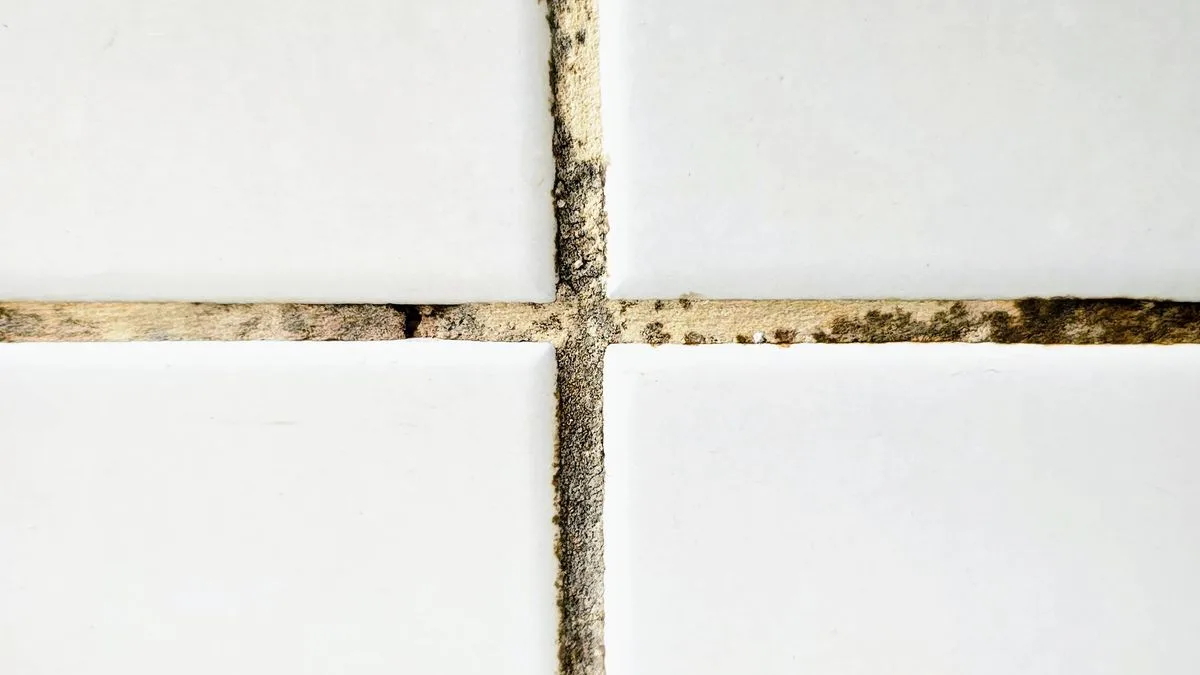
Black mould presents a widespread and persistent challenge in many UK bathrooms, where unsightly dark stains frequently emerge along grout lines. Beyond being merely unattractive, this mould constitutes a genuine health concern that demands immediate attention. Mould ranks among the most common household issues across the country, so if you have discovered it in your home, you are certainly not alone.
The Science Behind Bathroom Mould Growth
Mould spores are perpetually present in the air around us, but they only become problematic when they encounter ideal conditions to settle and proliferate. Bathrooms typically provide precisely such an environment: elevated temperatures, substantial humidity levels, and surfaces that remain damp for extended periods. Areas like sealant, tile grout, and the creases of shower curtains are especially vulnerable, as moisture tends to linger there long after you have finished bathing and left the room.
Baking Soda: The Natural Mould Solution
According to cleaning professionals, baking soda stands out as one of the finest natural methods for eliminating mould stains from grout. This versatile household staple has numerous applications throughout the home, from neutralising odours in refrigerators to clearing stubborn stains, and it is remarkably effective against black mould.
The experts at The Maids explain, "It's safe for your family and pets, is a natural mould killer, and absorbs moisture that attracts mould." Baking soda offers a gentle abrasive quality that physically removes dirt without damaging the tile surface. Crucially, it is alkaline, meaning unlike acidic substances such as white vinegar, it will not degrade the grout material over time.
Cleaning professionals at Merry Maids also strongly advocate using baking soda for this task. They maintain that baking soda is excellent because it can be applied to "most areas", though they recommend conducting a small patch test beforehand to ensure compatibility with your specific surfaces.
Step-by-Step Guide to Mould Removal
Method One: The Spray Solution
- Begin by dissolving one teaspoon of baking soda in a spray bottle filled with water.
- Shake the bottle thoroughly until the baking soda is fully combined with the water.
- Spritz the affected grout area generously with the baking soda solution.
- Allow the solution to soak into the mould for approximately 10 minutes.
Method Two: The Paste Application
- Alternatively, create a paste by blending half a cup of baking soda with two to three teaspoons of water.
- Adjust the consistency by adding small amounts of water until the paste becomes easily spreadable.
- Apply this paste directly onto the mould-affected grout surface.
- Leave the paste in place for the same 10-minute duration.
After allowing either solution to work, gently scrub the area using a soft-bristled brush. The mould stains should lift away cleanly with minimal effort. Then, rinse the surface thoroughly with clean water to wash away any remaining residue and baking soda particles.
Preventing Future Mould Growth
To complete the process and help prevent recurrence, spritz the cleaned area once more with the baking soda solution and allow it to dry naturally without wiping down. According to the cleaning specialists at The Maids, this final step will "kill any leftover mould and help prevent the mould from returning" by addressing residual spores and moisture.
The positive news for homeowners is that with this straightforward cleaning strategy using baking soda, black mould on grout is completely controllable. This natural approach not only effectively removes existing mould but also contributes to a healthier bathroom environment without resorting to harsh chemicals or vigorous scrubbing that could damage surfaces.