Spring Brings Unwelcome Visitors: The Rat Breeding Season Begins
As spring approaches with its blooming flowers and increasing sunshine, a less welcome seasonal phenomenon also emerges: the start of the rat breeding season in March. Once these rodents establish themselves in your home or garden, removing them becomes an incredibly difficult challenge that requires immediate attention.
Why Rats Become Permanent Residents
During spring, rats actively search for secure nesting locations, and if your outdoor space provides suitable conditions, they are likely to settle permanently. The reproductive capacity of rats makes early intervention crucial. A single rat can produce between thirty and eighty offspring annually, with female rats capable of breeding from just five weeks of age. This rapid multiplication means that a small problem can quickly escalate into a major infestation.
Expert Advice for Effective Rodent Deterrence
Alex Hughes, a property management specialist from Letted, has revealed his professional recommendations for keeping rodents away from residential properties. The fundamental principle involves disrupting their scent trails, as rats rely heavily on their sense of smell to navigate and assess potential dangers in their environment.

Ammonia as a Predator Scent
Hughes explains that ammonia serves as an excellent deterrent because it replicates the scent of predators. By positioning small quantities around your garden and potential entry points to your home, you can create an environment that smells unsafe to rats, encouraging them to seek alternative locations.
Utilizing Used Cat Litter
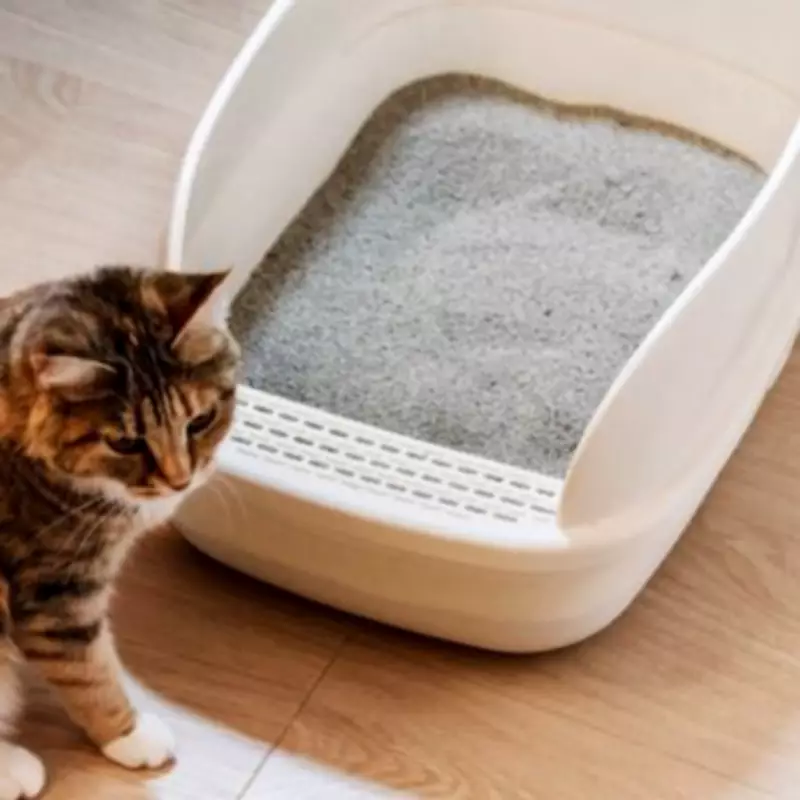
For cat owners, used cat litter presents another highly effective solution. The litter carries the natural scent of a feline predator, which rats instinctively avoid. Place the cat litter in a sealed yet breathable container outdoors, allowing the scent to permeate the area without creating additional mess.
Peppermint Oil Overpowers Scent Receptors
Peppermint oil offers yet another excellent alternative for rat deterrence. This essential oil can overwhelm rats' sensitive scent receptors, making your property unappealing for settlement. To apply this method, saturate cotton wool with peppermint oil and distribute it strategically throughout your property, particularly near potential entry points.
Essential Preventive Measures
Beyond scent-based deterrents, Hughes emphasizes the critical importance of eliminating potential food sources from your outdoor space. Any food waste, compost, or even pet food left outside must be properly secured in rodent-proof containers. Rats possess between 1,200 and 1,500 scent receptor genes, far exceeding the approximately 400 found in humans, enabling them to detect food from considerable distances.
"If rats settle now, you will be dealing with a much larger issue in the summer," warns Hughes. "Using any of the above methods or a combination can make your garden and your home less appealing before rats establish a nest. If food is easily accessible, your home becomes an easy target for these persistent rodents."
By implementing these simple yet effective strategies early in the breeding season, homeowners can create an environment that discourages rat settlement and prevents the development of more serious infestations as warmer weather approaches.