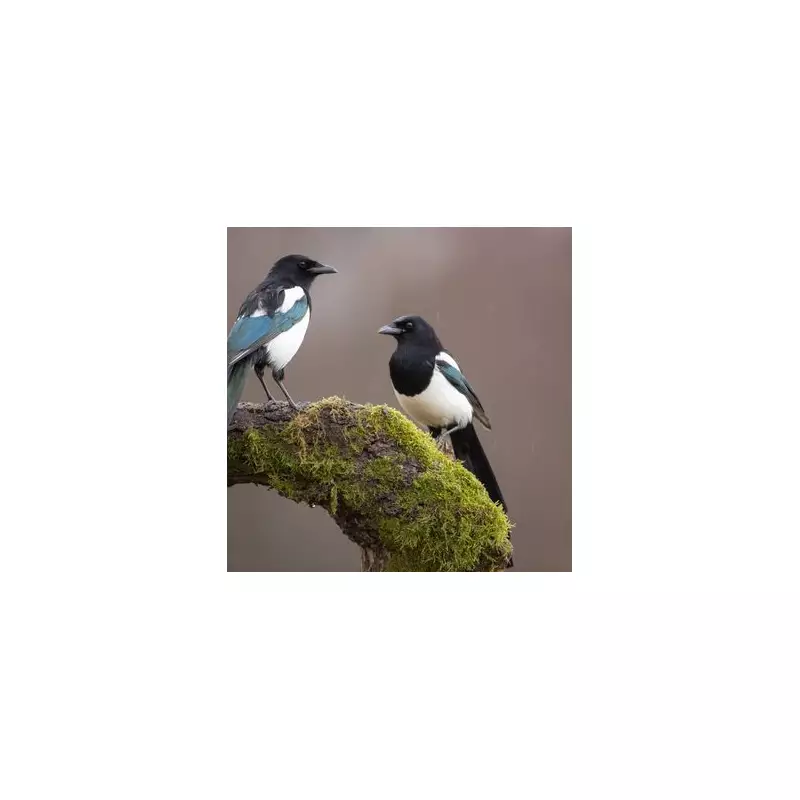
Bird enthusiasts across the UK who enjoy attracting delicate species like robins to their gardens frequently face a common challenge: dominant magpies taking over feeders and frightening away smaller birds. These intelligent, adaptable corvids can disrupt the peaceful garden bird community, but one surprisingly simple natural solution can help restore balance.
Understanding the Magpie Problem in British Gardens
Magpies possess remarkable intelligence and adaptability that makes them both fascinating visitors and formidable competitors at bird feeding stations. Their presence often deters smaller birds like robins, who may abandon feeders entirely when magpies become regular visitors. This creates an imbalance in garden ecosystems where diversity should thrive.
According to experts at The Bird Identifier, maintaining a harmonious garden bird community requires strategies specifically designed to deter magpies while welcoming other species. The key lies in understanding magpie behaviour and physical capabilities, then implementing targeted solutions that don't negatively impact the birds you want to attract.

The Reflective Ribbon Solution
The primary recommended method involves using reflective ribbons as physical barriers around feeding areas. These specially designed ribbons reflect sunlight and create flashes of light as they move with the wind, producing an optical illusion that magpies interpret as potential danger.
How reflective ribbons work: The movement creates sudden light flashes that mimic predator movements or other threats, causing magpies to perceive the area as unsafe territory. This natural deterrent approach leverages magpies' natural caution without causing them harm.
Fortunately, this method doesn't affect smaller birds like robins in the same way. Robins typically feed closer to ground level and show less sensitivity to overhead shiny objects. Their more inquisitive nature and lower nervousness levels allow them to adapt quickly to new garden additions, meaning they'll continue visiting feeders while magpies stay away.
Additional Natural Deterrent Methods
Beyond reflective ribbons, experts recommend several homemade solutions that can enhance your magpie-deterrent strategy:
- Spicy Concoctions: Create a natural repellent by mixing cayenne pepper, chilli powder, and paprika with water in a spray bottle. Shake thoroughly before applying around feeder areas and directly onto seeds. Magpies possess sensitive senses of smell and taste, causing them to avoid the spiciness that irritates their eyes and throats.
- Essential Oil Sprays: Combine a few drops of peppermint oil, eucalyptus oil, or tea tree oil with water in a spray bottle. These scents are particularly unpleasant to magpies while being generally acceptable to other garden birds. Regular application around feeding stations not only repels magpies but can enhance your garden's natural aroma.
Creating a Balanced Garden Bird Sanctuary
Implementing these strategies requires consistency and observation. Gardeners should monitor which methods work best in their specific environment, as magpie behaviour can vary between urban and rural settings. The goal isn't to eliminate magpies entirely but to create conditions where all bird species can coexist more harmoniously.
By understanding that robins tend to be ground feeders less affected by overhead deterrents, while magpies are more cautious of unfamiliar movements and scents, gardeners can implement targeted solutions that protect vulnerable species without resorting to harmful measures.
Regular maintenance of deterrents ensures continued effectiveness, particularly as magpies may eventually become accustomed to certain methods if they're not occasionally varied or reinforced. Combining reflective ribbons with occasional use of scent-based deterrents creates a multi-layered approach that keeps garden feeding stations welcoming to robins and other small birds while discouraging magpie dominance.