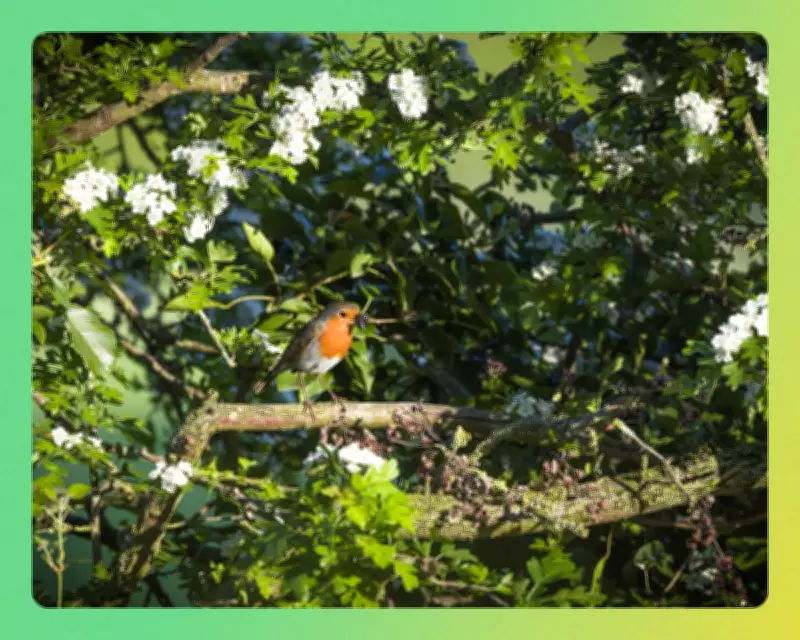
Transforming Your Garden into a Wildlife Sanctuary
Everyone, from birds to bees, reaps rewards when you cultivate a garden with wildlife in mind. This approach fosters a vibrant ecosystem right in your backyard, promoting biodiversity and natural harmony. Instead of rushing to tidy up, embrace the untidy bits—they are teeming with life, hosting overwintering insects, larvae, pupae, and eggs awaiting warmer days. By shifting your mindset, you can create a magical space where nature thrives.
Essential Steps for a Nature-Friendly Garden
Leave Your Hedges Untouched
Resist the urge to over-prune hedges, especially during bird nesting season from April to August. Hand-trimming with shears allows you to observe and protect nesting birds like house sparrows, blackbirds, wrens, and robins. Opt for quality tools like Niwaki shears or secondhand options from organisations like Tools for Self Reliance Cymru to maintain hedges gently and effectively.

Provide Fresh Water Sources
Water is crucial for wildlife. Install a water butt for free, soft water that benefits plants and creates habitats. Consider adding a pond with sloping edges or a container version using old aquariums filled with leaves and wood for hoverfly larvae. Simple dishes with pebbles can serve bees, butterflies, and hedgehogs, ensuring all creatures have access to unpolluted freshwater.
Sow Wildflowers in Small Spaces
Even balconies or windowsills can support wildlife by sowing wildflowers instead of herbs. These resilient plants attract bees and require minimal care. Mixes like those from the RSPB are ideal for pots, and adding a container pond can surprise you with diverse visitors.
Feed Birds and Insects Naturally
Avoid manufactured bird feeders that spread disease; instead, let plants like dandelions, teasels, and sunflowers set seed to feed goldfinches and other birds. Ivy is an excellent natural feeder, offering berries and shelter. For insects, focus on pesticide-free soil, compost, and sand piles, and avoid chemicals in pet treatments to protect your garden's ecosystem.
Create a Hedgehog Highway
Help hedgehogs navigate by making holes in fences or using decorative gates from suppliers like Garden Wilder. This simple act supports their movement and survival in urban areas.
Build Homes for Wildlife
Incorporate habitats like log piles, which host beetles and insects, and use cracks in hard landscaping for shelter. Bundle cut stems into insect hotels placed in sunny spots. Prostrate rosemary or wildflower mixes can beautify waste piles, turning them into functional art.
Use Sustainable Tools
Gardening for wildlife is thrifty—repurpose materials, borrow tools, and swap seeds. Building bird boxes from leftovers and maintaining tools prolongs their life, aligning with eco-friendly practices.
By following these tips, you can cultivate a garden that hums with life, benefiting both nature and your well-being. Embrace the wildness and watch your outdoor space transform into a sanctuary.