Homeowners Uproot Pampas Grass Over Swinger Symbolism Fears in April
Gardeners across the country are taking action this April by removing a common plant from their outdoor spaces, driven by concerns over an unlikely social connotation. Pampas grass, a widespread and familiar sight in British gardens, is being uprooted as many fear it implies they are swingers, sparking a flurry of activity on social media and among horticultural enthusiasts.
Social Media Sparks Garden Overhaul
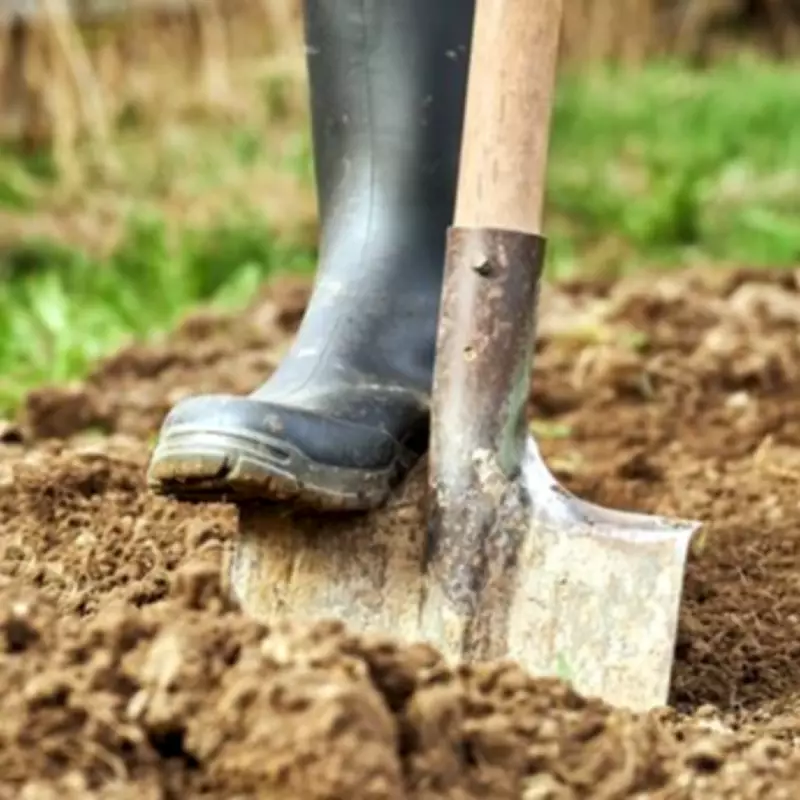
TikTok has recently been flooded with viral videos showcasing individuals digging up pampas grass, with experts like NGS Gardening demonstrating proper removal techniques. The trend gained traction after a Reddit user shared their experience of removing the plant from their new home, citing the swinger association as their primary motivation. This post ignited widespread debate, with numerous commenters expressing surprise at the hidden meaning behind the ornamental grass.
One homeowner wrote, "Bought a house and dug out a massive pampas grass, because we are definitely not swingers! How do I get grass to fill the hole?" Responses ranged from practical advice to sheer bewilderment, with one user asking, "Swingers?" and another clarifying, "Having a pampas grass allegedly used to signal to people that you enjoyed swinging. E.g. partner swapping." A third remarked, "This is making me cackle," highlighting the mix of humour and concern surrounding the issue.

Historical Roots of the Urban Myth
For decades, pampas grass has been rumoured to symbolise swinging, a well-known British urban myth believed to originate from 1970s and 1980s suburban culture. During this era, the towering plants were supposedly used as a discreet signal to neighbours with similar interests in partner swapping. While many regard the tale as an amusing piece of folklore, others take it seriously enough to remove the plant from their gardens to avoid any unintended implications.
This is not the first time the issue has surfaced, as previous discussions have revealed widespread ignorance about the plant's alleged symbolism. Homeowners are now seizing the opportunity in April to address the matter, driven by both social concerns and practical gardening considerations.
Optimal Timing for Removal and Safety Tips
Beyond its unconventional associations, April is regarded as an ideal month to remove or trim back pampas grass, falling within the prime late winter to early spring period. This timing allows gardeners to clear away dead, weathered foliage from winter before fresh green shoots fully emerge, making the task more manageable.
Experts recommend using sharp loppers or an electric hedge trimmer to reduce the plant to roughly six to eight inches above ground level. When undertaking this work, it is crucial to wear robust gardening gloves, long sleeves, and eye protection, as pampas grass features razor-sharp leaves that can easily slice skin. For those removing the plant for division purposes, spring is also an excellent time to excavate the root ball, taking advantage of the post-winter conditions that simplify trimming.
Should homeowners find the task challenging, seeking assistance from a professional gardener is advisable. They can provide guidance on safe removal techniques and help manage the process effectively, ensuring gardens are free of both unwanted plants and any lingering social stigmas.