Reevaluating Nature's Most Misunderstood Animals
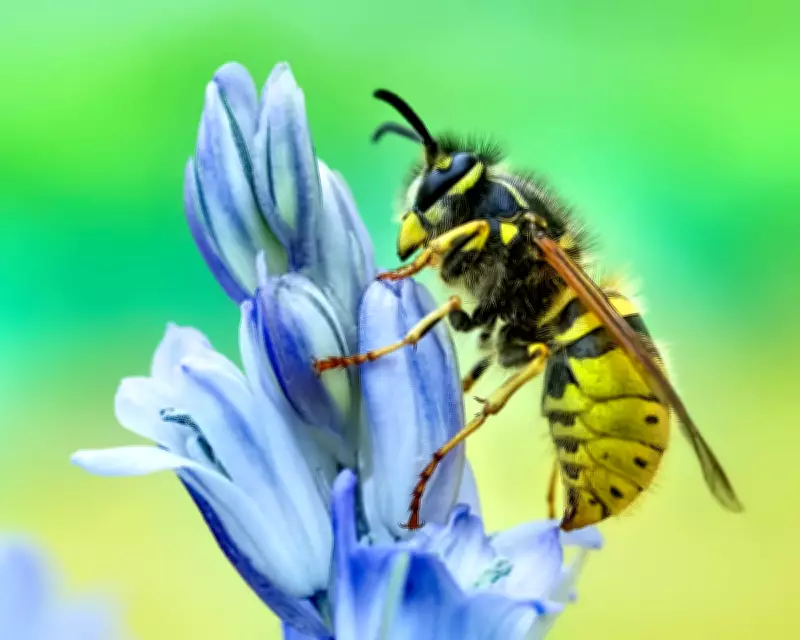
Imagine a wasp buzzing into your kitchen. Do you panic and swat it away, or calmly guide it outside? Now, picture a bee in the same scenario—would your reaction differ? This contrast reveals our often irrational and biased emotional responses toward wildlife. Bees are celebrated for their honey and pollination, while wasps are vilified for their stings, despite both being capable of stinging and contributing to pollination. Similarly, sharks are demonized as mindless killers, while dolphins are seen as benevolent, and vultures are scorned as ugly compared to majestic eagles. It's time to challenge these misconceptions and recognize the vital roles these creatures play in our ecosystems.
The Overlooked Importance of Wasps
If we were to eradicate wasps, as some might wish, the short-term relief from picnics would be far outweighed by long-term ecological consequences. Wasps are chronically overlooked as pollinators, a fact that makes sense when we consider that bees evolved from a wasp lineage. Beyond pollination, wasps serve as effective, chemical-free pest controllers. Parasitic wasps act as specialist assassins in agriculture, while social wasps, including the familiar striped varieties, prey on aphids, caterpillars, and moths. Together, they form a formidable team that supports biodiversity and reduces the need for harmful pesticides.
Sharks: Predators in Peril
Fear of sharks is vastly disproportionate to the actual risk they pose. Last year, there were only 65 unprovoked shark bites worldwide, resulting in 12 tragic deaths. Yet, sensationalized media coverage fuels unnecessary alarm, distracting from the critical conservation issues sharks face. As the second-most threatened group of vertebrate animals after amphibians, over 30% of shark and ray species are at risk of extinction, with an estimated 100 million killed annually. Sharks have existed for nearly 500 million years, surviving five mass extinctions, and range from gentle plankton-feeding whale sharks to bizarre hammerheads. Human activities now pose their greatest threat, underscoring the urgency for protection.

Decoupling Harm from Moral Judgment
Animals like snakes and mosquitoes are often labeled as evil, but they lack the cognitive capacity for malice. A wasp is simply attracted to sugar, and defensive stings occur when threatened. Similarly, venomous snakes strike out of fear, not aggression, as herpetologist Clifford Pope noted: "Snakes are first cowards, then bluffers, and last of all, warriors." Mosquitoes bite for survival, with females needing blood proteins to develop eggs. By viewing these animals in their own terms, rather than through a human moral lens, we can appreciate their behaviors as survival strategies, not villainy.
The Interconnected Web of Life
We cannot selectively preserve only the animals we find appealing. Nature operates as an interconnected web where every species, from hedgehogs to slugs, plays a role. Eliminating pests like aphids disrupts food chains, ultimately harming the very creatures we cherish. Many unloved animals exhibit surprising sentience and complexity—snakes protect their young, vultures use tools, alligators perform mating dances, and rats show empathy. Recognizing their intrinsic worth and ecological contributions is essential for conservation efforts and our own survival in a balanced ecosystem.
In summary, it's time to move beyond simplistic labels of "good" or "bad" and embrace a more nuanced understanding of wildlife. By appreciating misunderstood creatures like wasps and sharks, we can foster conservation and ensure the health of our planet's delicate ecological networks.