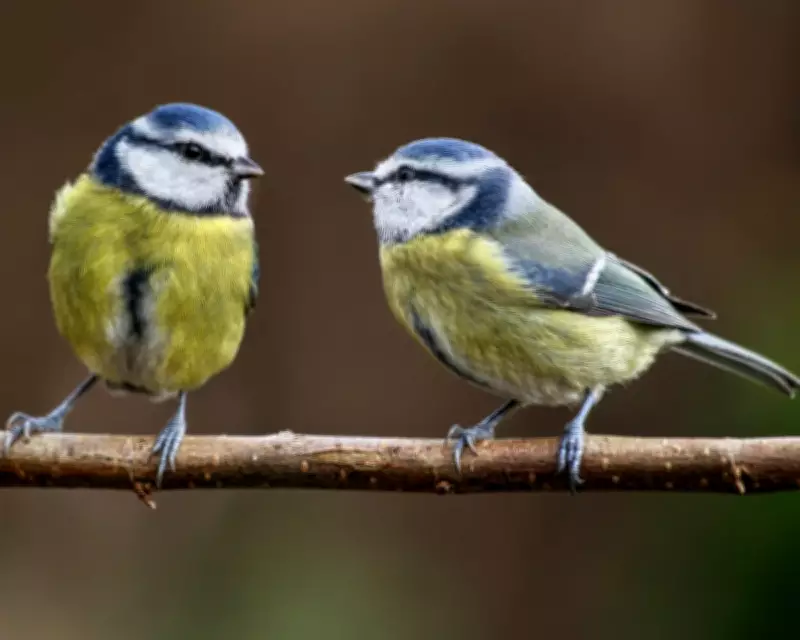
Blue tits, those vibrant and energetic garden visitors, are among the most familiar birds in the UK, yet their feisty nature and fascinating habits often go unnoticed. Despite their common presence, these small birds possess a resilience and complexity that deserves closer attention from birdwatchers and nature enthusiasts alike.
The Underappreciated Charm of Blue Tits
With their striking blue and yellow plumage, blue tits are a cheerful sight in gardens across Britain. However, their beauty is matched by a surprisingly aggressive demeanour. These birds are known for their territorial disputes, especially during breeding season, where they fiercely defend nesting sites from rivals. This feistiness is a key survival trait, allowing them to thrive in diverse environments from urban parks to rural woodlands.
Ecological Role and Adaptability
Blue tits play a crucial role in local ecosystems. As insectivores, they help control pest populations, such as aphids and caterpillars, benefiting gardeners and farmers. Their adaptability is remarkable; they readily use nest boxes and have been observed learning new feeding techniques, like pecking through milk bottle tops—a behaviour that spread rapidly across populations in the 20th century.

Despite their success, blue tits face challenges from habitat loss and climate change. Changes in weather patterns can disrupt their breeding cycles, as they rely on synchronising hatching with peak insect availability. Conservation efforts are essential to protect these birds, yet public awareness often lags behind their ecological significance.
Why We Take Them for Granted
The very familiarity of blue tits contributes to their being overlooked. In a world where rare species capture headlines, common birds like blue tits are sometimes dismissed as mundane. Yet, their daily dramas—from courtship displays to fierce competitions for food—offer a window into the dynamic lives of garden wildlife. Birdwatchers who pause to observe them closely are rewarded with insights into avian intelligence and social structures.
Encouraging Appreciation and Conservation
To foster greater appreciation, experts recommend simple actions: installing nest boxes, providing suitable food like seeds and suet, and avoiding pesticide use that harms their insect prey. Citizen science projects, such as the Big Garden Birdwatch, also highlight the importance of monitoring blue tit populations to track environmental health.
In conclusion, blue tits are far more than just common garden birds. Their feisty character, ecological value, and adaptability make them a fascinating subject for study and conservation. By recognising their worth, we can ensure these vibrant creatures continue to enchant future generations.